
Mary Magdalene, Sinner of Magdala
1946
No user ratings available yet
Representation score: 1.7 out of 10
Representation Score
Minimal
1939
ApprovedDirector
Irving Pichel
Runtime
78 minutes
Average Rating
No ratings yetNew Showbiz Analysis
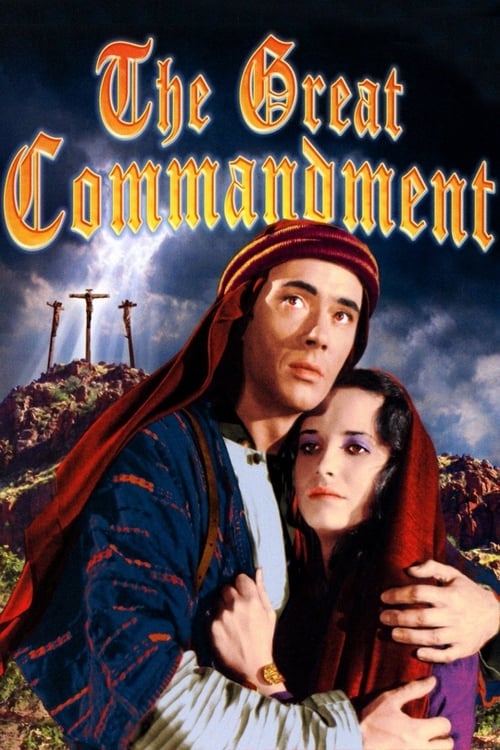
The Great Commandment is a traditional religious drama centered on the teachings of Jesus and the Parable of the Good Samaritan. Its narrative structure revolves around established theological themes and singular moral frameworks typical of 1939 cinema. The film lacks multi-layered complexity, focusing instead on the conversion of male protagonists within a historical context. This emphasis on traditional spiritual authority and conservative storytelling limits its breadth of representation. While the historical setting provides a foundation for ethnic diversity through Jewish and Roman characters, the film remains a vehicle for religious instruction rather than a critique of social hierarchies.
Category Breakdown
The film does not include any characters with non-binary gender identities. It follows the social and cinematic norms of the late 1930s.
The story centers on the conversion of male characters, Joel and Longinus. It may reinforce traditional patriarchal structures common in religious dramas of this time.
Set in Judea, the film includes Jewish and Roman characters, reflecting ethnic diversity. However, period casting often favored actors with Western European features for Middle Eastern roles.
The film serves as a vehicle for Christian moral instruction and religious teaching. It emphasizes singular spiritual authority rather than pluralistic or secular frameworks.
There is no information about the portrayal of physical or neurodivergent characters in this work.
Present on Screen
Limited or Absent
Official Synopsis
Portrays the conversion to Christianity of a young Zealot, Joel, and the Roman soldier Longinus through the teachings of Jesus in his Parable of the Good Samaritan.
1946
1965

2014

1943

1959
1950
1953

1953
No reviews yet. Be the first to share your thoughts on this movie!
Use the rating form above to leave a star rating and optional review.