
Mortal Kombat: Final Battle
2001
No user ratings available yet
Representation score: 2.8 out of 10
Representation Score
Limited
1994
TV-14Director
Paolo Barzman, Dennis Berry
Runtime
95 minutes
Average Rating
No ratings yetNew Showbiz Analysis
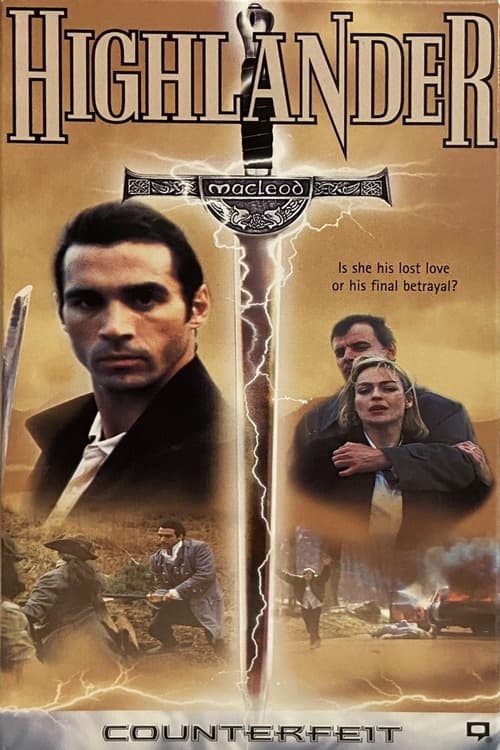
Highlander: Counterfeit operates as a genre-driven fantasy thriller centered on psychological tension. The narrative focuses on the subversion of personal recognition through identity theft and physical alteration rather than social representation. The film adheres to conventional mid-90s television frameworks. It prioritizes individual conflict and the mechanics of deception over the intentional disruption of demographic hierarchies. Ultimately, the work functions within established franchise clichés. It emphasizes the mythos of the immortal warrior through a lens of moral ambiguity and identity manipulation.
Category Breakdown
The film does not explicitly depict non-binary or same-sex relationships. It focuses more on the physical manipulation of a female character's likeness rather than exploring queer identities.
Women are primarily portrayed as victims of deception in this storyline. While the franchise typically gives female characters combat roles, this episode uses a female character as a plot device.
The production follows traditional mid-90s casting norms. There is no evidence of a diverse or non-white cast in this specific installment of the series.
The narrative explores postmodern themes of fragmented identity and the breakdown of truth. It does not critically address systemic institutions or broader cultural diversity.
There is no indication of characters with visible or invisible disabilities. Disability is not used as a narrative device in this story.
Present on Screen
Limited or Absent
Official Synopsis
Horton, an old mortal enemy, puts a criminal through plastic surgery to make her look like Tessa. The false Tessa sets Duncan up for the final death.
2001

1992
2011
1994

2018

1993
1972
2000
No reviews yet. Be the first to share your thoughts on this movie!
Use the rating form above to leave a star rating and optional review.