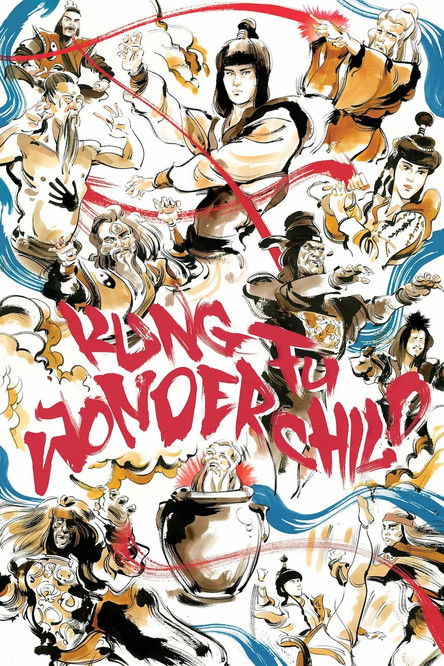
Kung Fu Wonder Child
1986
No user ratings available yet
Representation score: 4.6 out of 10
Representation Score
Fair
1972
Director
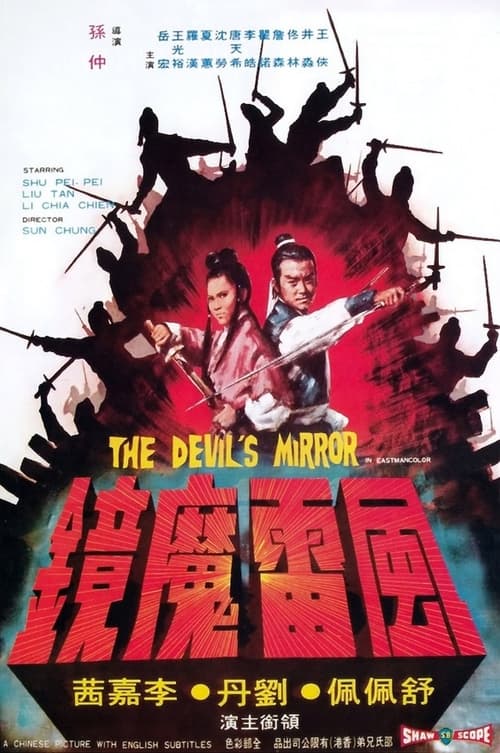
Sun Chung
Runtime
90 minutes
Average Rating
No ratings yetNew Showbiz Analysis
The Devil's Mirror is a classic wuxia film that stands out by challenging certain genre expectations. By placing a powerful female antagonist at the center, it moves away from passive female roles, though it remains constrained by the era's social norms regarding queer identity. The film shines in its cultural specificity, using East Asian aesthetics and exploring the tension between established clan hierarchies and youthful rebels. This focus on group identity and the disruption of authority adds depth to the action-fantasy premise. However, the film lacks modern markers of diversity. It does not feature visible LGBTQ+ characters or any depiction of disabilities, keeping its diversity profile rooted in traditional genre frameworks.
Category Breakdown
The film does not include explicit LGBTQ+ characters or relationships that challenge traditional heterosexual norms. Instead, it centers on clan conflicts and a central antagonist.
The Jiuxian Witch is portrayed as a powerful female antagonist seeking systemic control. This challenges traditional gender clichés by positioning a woman as the main driver of conflict.
The film features a predominantly East Asian cast typical of the Shaw Brothers era. It showcases a rich representation of Asian identity and cultural aesthetics.
The plot delves into themes of clan loyalty and the breakdown of traditional social structures. It highlights the fallibility of established authority and the importance of individual ability to act.
There are no visible depictions of physical or neurodivergent disabilities. No characters have disabilities that significantly impact the narrative.
Present on Screen
Limited or Absent
Official Synopsis
The Jiuxian Witch and her Bloody Ghouls Clan (somehow you just know that these aren’t the good guys) are planning domination of the Martial Arts world. Standing in their way are two clans who posses a magic mirror each. The two clans enjoy friendly relations, but when one mirror is stolen and the blame seems to rest with the other Clan, suspicions and tempers run high. It’s left to the young renegades from each Clan to find the true culprit or culprits, and to ease the tensions of their families. Not to mention ridding the world of the evil Jiuxian Witch.
1986

1992
1978
1993
1977

1987
1978
1974
No reviews yet. Be the first to share your thoughts on this movie!
Use the rating form above to leave a star rating and optional review.