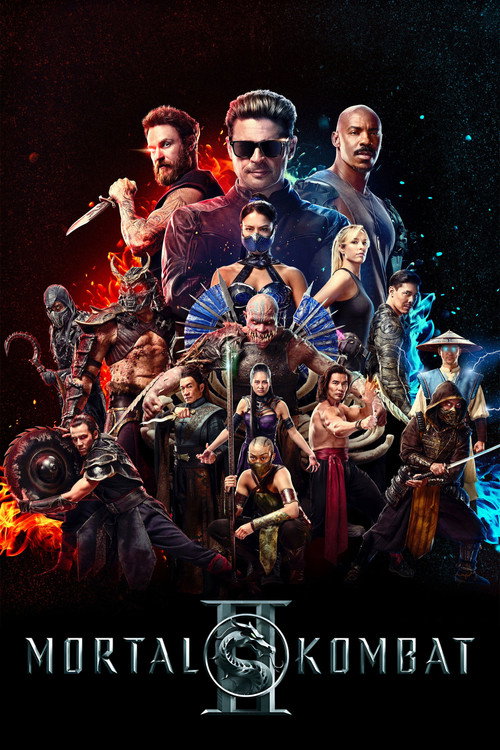
Mortal Kombat II
2026
No user ratings available yet
Representation score: 2.2 out of 10
Representation Score
Limited
2001
Director
Reza Badiyi
Average Rating
No ratings yetNew Showbiz Analysis
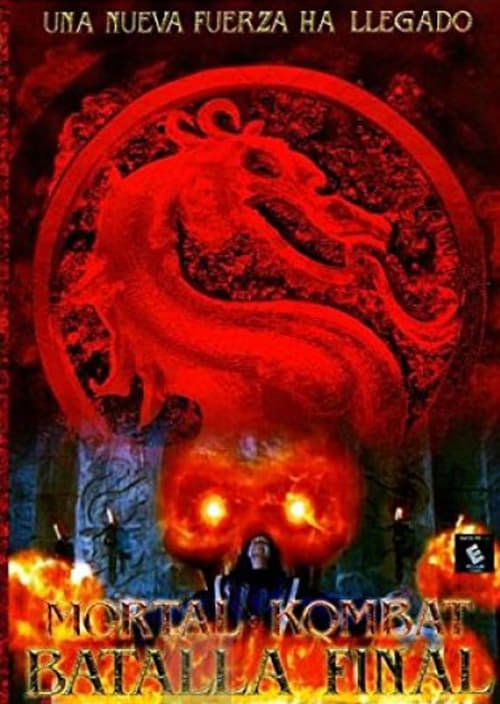
Mortal Kombat: Final Battle is a typical action film that emphasizes martial arts spectacle over deeper sociological exploration. It uses a diverse cast mainly to meet the visual standards set by the franchise's lore, rather than challenging societal norms. While the film stays true to the ethnic background of its source material, it operates within a traditional framework. The narrative lacks the complexity needed to address multi-layered identities or subvert common genre conventions. Overall, the film serves as a straightforward action sequel, avoiding harmful stereotypes but failing to offer meaningful representation for underrepresented groups or nuanced cultural commentary.
Category Breakdown
There are no LGBTQ+ characters in the film, and the story focuses solely on traditional combat roles.
Female fighters such as Kitana play important roles, but the story remains centered around male characters and their actions.
The film features characters like Liu Kang and Kung Lao, reflecting the East Asian roots of the franchise without whitewashing.
The story adheres to a common Western narrative structure of good versus evil, without engaging with secular themes or critiquing social structures.
No characters with disabilities are shown taking an active role in the story, focusing instead on the extraordinary abilities of the main fighters.
Present on Screen
Limited or Absent
2026
1988

1994

1992
2026

2022

1995
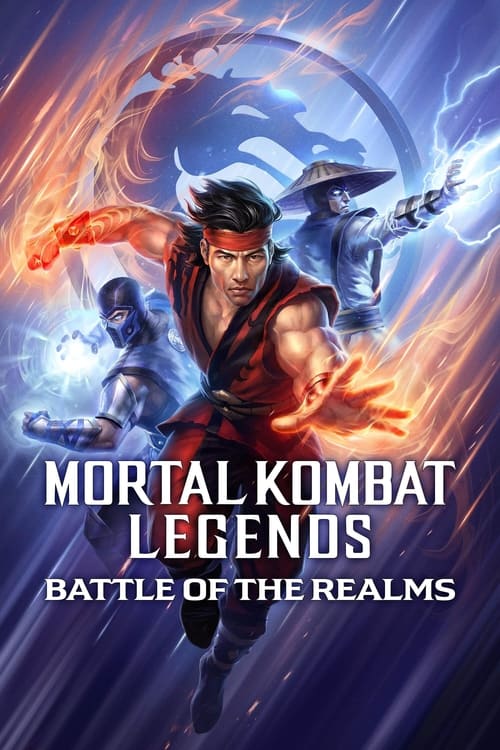
2021
No reviews yet. Be the first to share your thoughts on this movie!
Use the rating form above to leave a star rating and optional review.