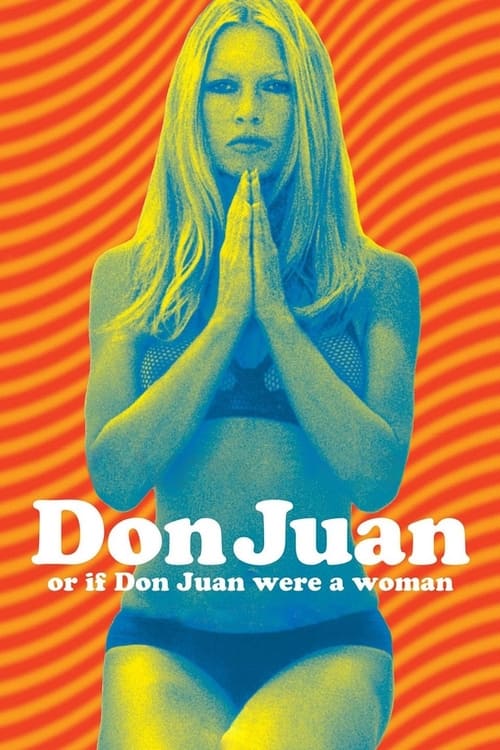
Don Juan or If Don Juan Were a Woman
1973
No user ratings available yet
Diversity score: 5.9 out of 10

1991
Director
Gonzalo Suárez
Runtime
91 minutes
Average Rating
No ratings yetSynopsis
While the last remnants of the Empire are extinguishing and King Philip II (1559-1598) is dying in the shadow of lost splendor, a man, defying the divine and human justice, turns his passions into fate and his will into law. His fame is as great as his pride. His conviction, eternal. His name, a legend: Don Juan. Free adaptation of "Don Juan" by Moliere.
Overall Score
Fair
Category Breakdown
LGBTQ+ Representation
The film adheres to the classical Don Juan myth, focusing on heteronormative seduction. There is no explicit depiction of same-sex intimacy or non-cisnormative identities as central narrative drivers.
Gender Representation
The narrative disrupts romantic tropes by exploring the psychological complexities of seduction. It challenges masculine hierarchies by portraying the protagonist's pursuit as a chaotic struggle against fate rather than a triumph.
Racial & Ethnic Diversity
The cast and aesthetic remain consistent with the historical Spanish Empire setting. Representation is largely homogeneous, focusing on the specific cultural milieu of the Molière adaptation.
Religious & Cultural Diversity
The film excels at deconstructing religious and moral authority through a surrealist lens. It critiques divine justice by framing individual passion as a valid expression of will over institutional dogma.
Disability Representation
There is no significant evidence regarding the portrayal of physical or neurodivergent disabilities within the film's thematic overview.
Strengths
Areas for Improvement
AI Analysis
Don Juan in Hell is a sophisticated deconstruction of literary myth that prioritizes philosophical inquiry over demographic breadth. Its primary strength lies in its cultural subversion, using a surrealist purgatory to challenge the absolute authority of Western theological institutions and traditional morality. However, the film remains tethered to traditional casting norms. The racial and LGBTQ+ representations are limited by the historical and heteronormative framework of the source material, resulting in a largely homogeneous social landscape. Ultimately, the film functions as a critique of power and dogma rather than a vehicle for social diversity, finding its impact in the subversion of religious structures rather than the inclusion of varied identities.
1973
2005
1969
1981
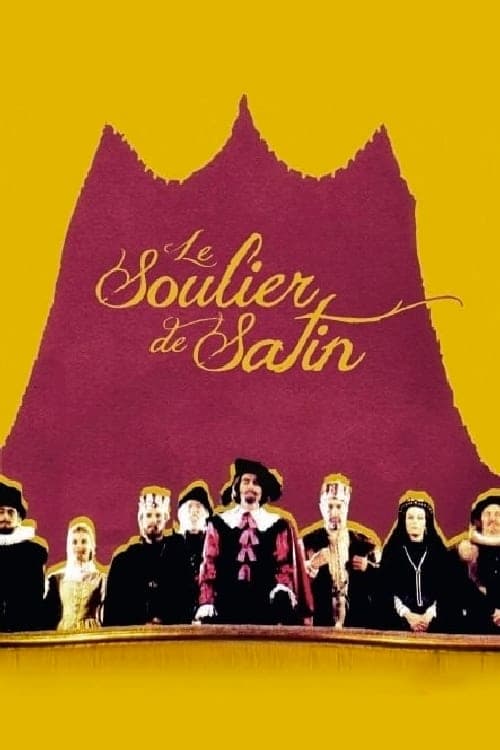
1985

1997
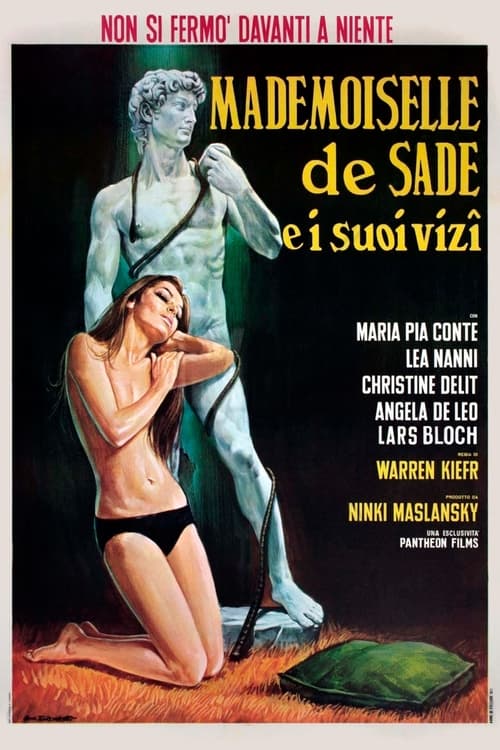
1969
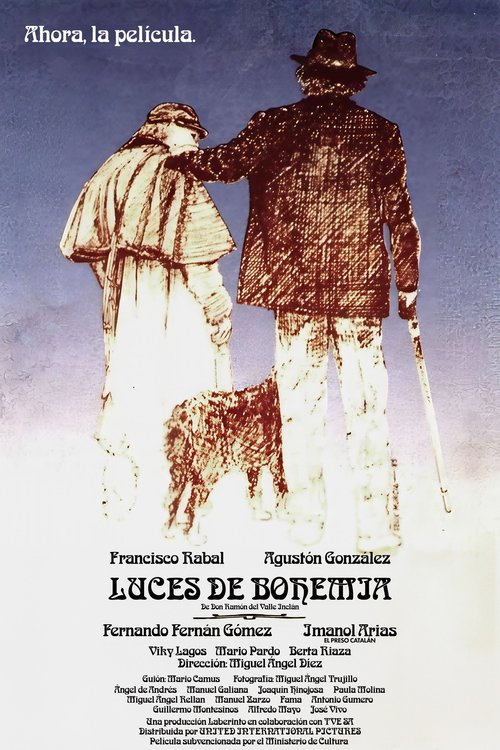
1985
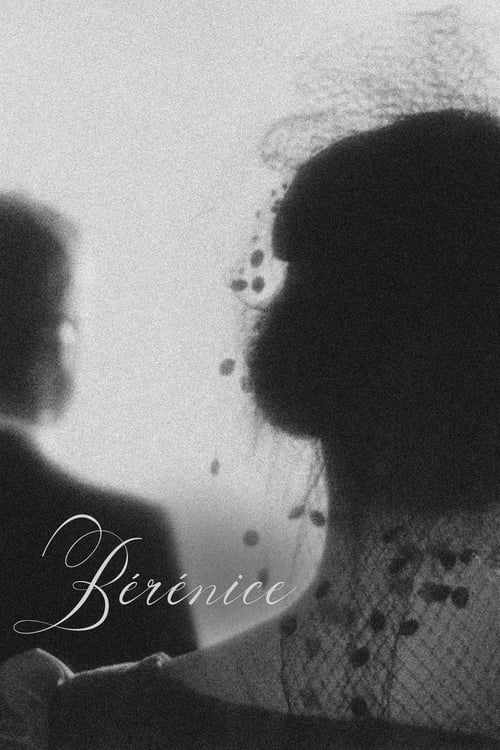
1983
1999
1991
1996
No reviews yet. Be the first to share your thoughts on this movie!
Use the rating form above to leave a star rating and optional review.