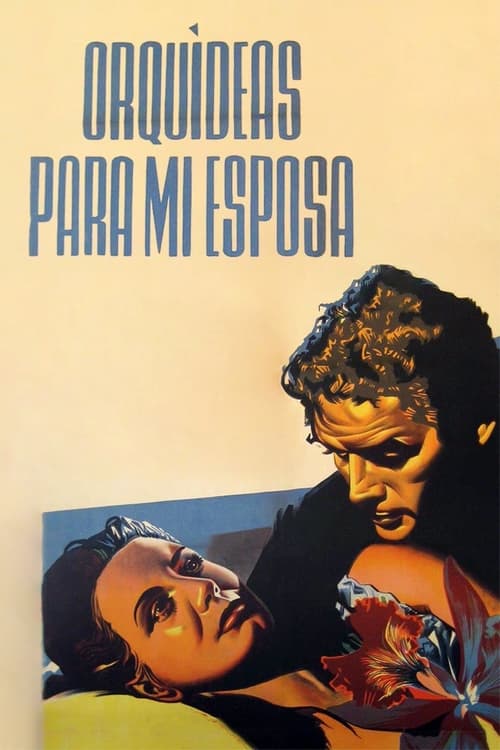
Orquídeas para mi esposa
1954
No user ratings available yet
Representation score: 2.7 out of 10
Representation Score
Minimal
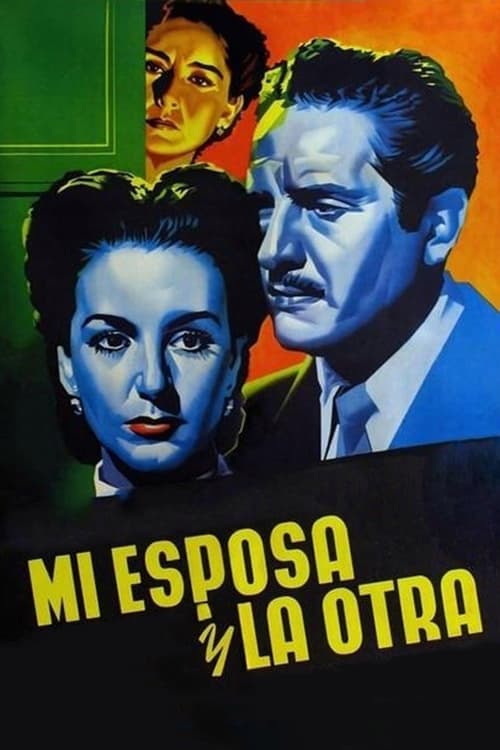
1952
Director
Alfredo B. Crevenna
Runtime
110 minutes
Average Rating
No ratings yetNew Showbiz Analysis
Mi Esposa y la Otra is a quintessential example of the Golden Age of Mexican cinema, functioning as a traditional melodrama. The story relies on established social hierarchies and the classic cliché of infidelity to drive its conflict. The film lacks the depth to challenge the status quo. Instead, it reinforces the period's conventional views on gender, marriage, and morality through a lens centered on male control over the story. Ultimately, the work serves as a historical snapshot of mid-century social structures rather than a tool for diverse representation.
Category Breakdown
The film focuses on a heterosexual love triangle involving a husband and two women. It does not include any representation of non-cisgender identities or challenge the assumption that everyone is straight.
The story revolves around male desire and the tensions it causes within a marriage. Women are primarily defined by their relationships to the male protagonist and traditional marital roles.
The cast reflects the ethnic homogeneity typical of 1950s Mexican cinema. While it portrays Latin American identity, it adheres to the era's casting norms without challenging them.
The plot follows mid-20th-century melodramatic conventions about fidelity. It upholds traditional social and marital norms without questioning them.
There is no depiction of disability or neurodivergence in the narrative.
Present on Screen
Limited or Absent
Official Synopsis
A classic story of a husband who meets a younger woman, and begins a love affair.
1954
1965
1950
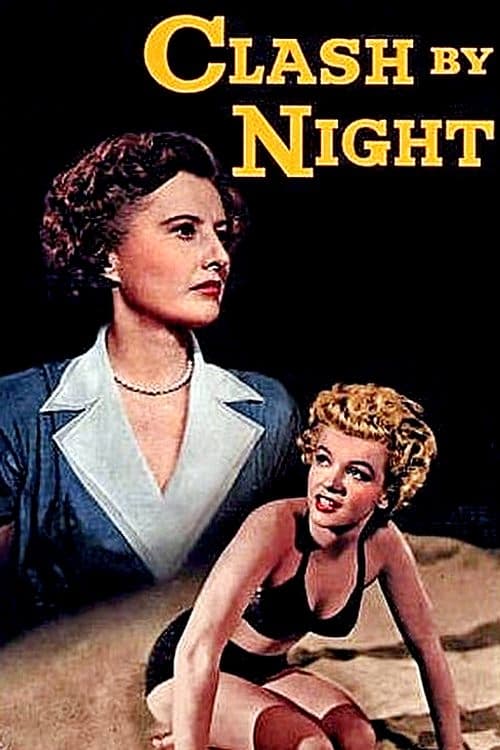
1952
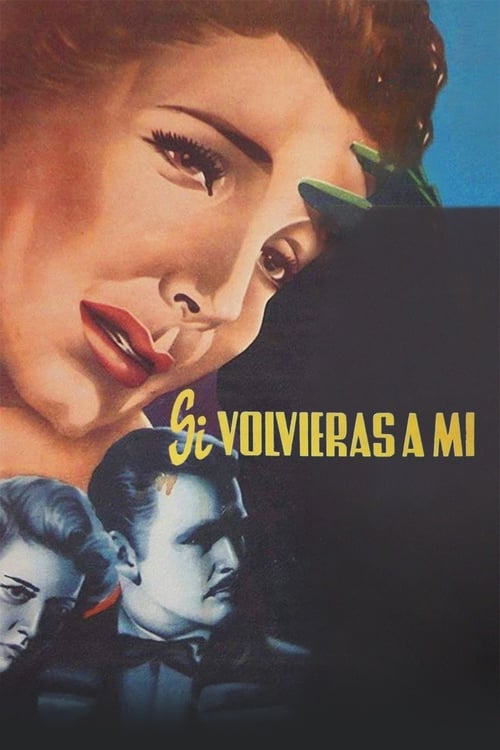
1954
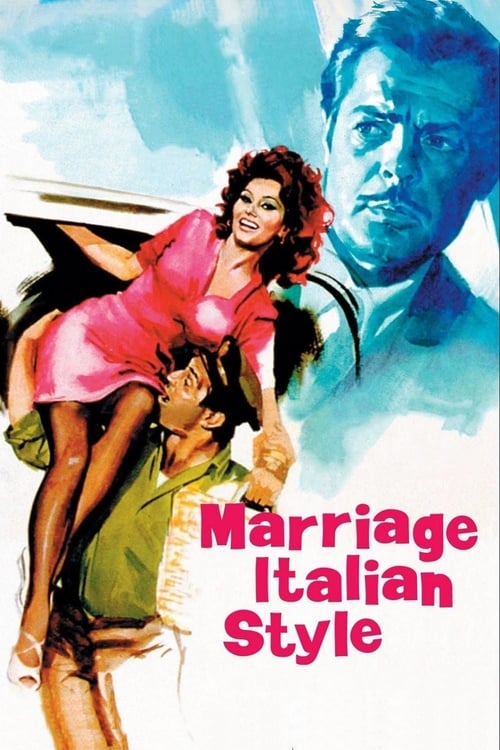
1964
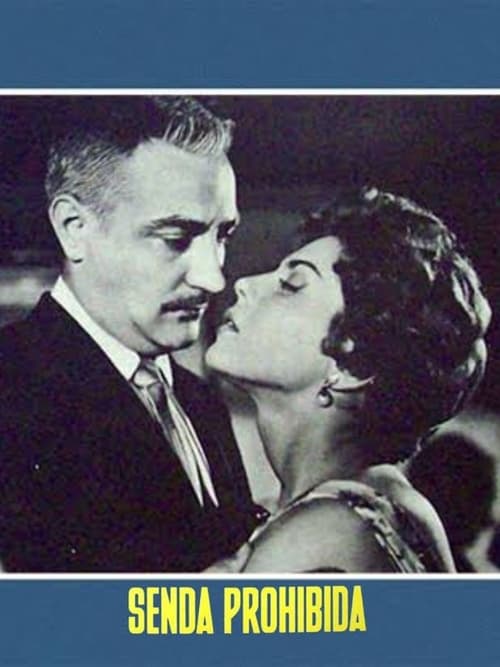
1961
1961
No reviews yet. Be the first to share your thoughts on this movie!
Use the rating form above to leave a star rating and optional review.