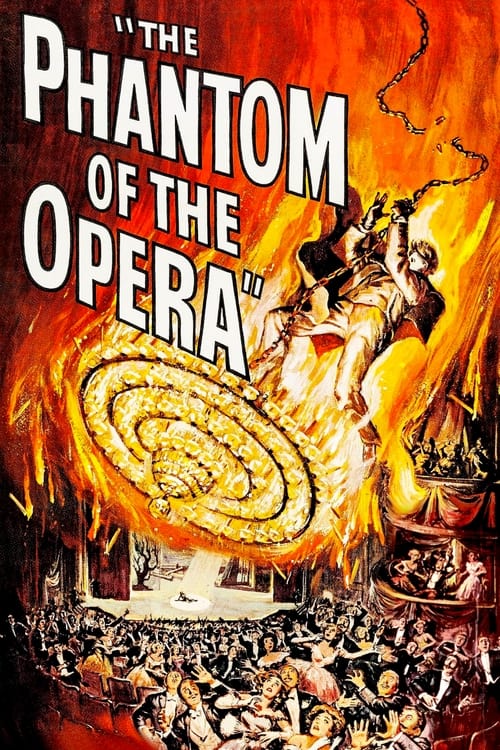
The Phantom of the Opera
1962
No user ratings available yet
Representation score: 1.8 out of 10
Representation Score
Limited
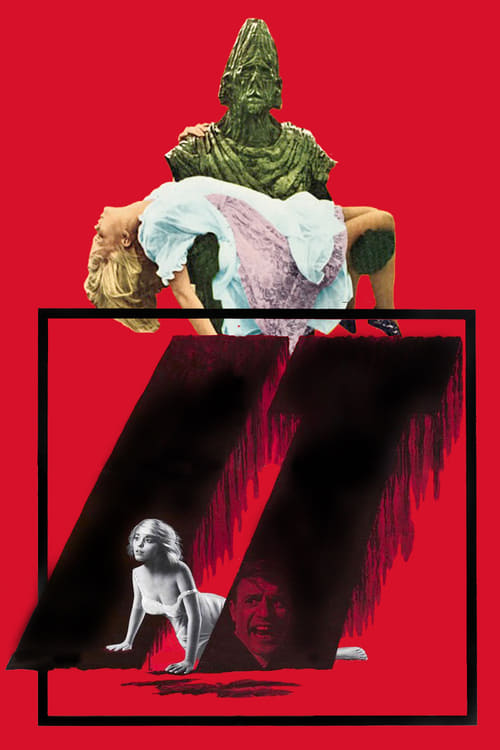
1967
UnratedDirector
Herbert J. Leder
Runtime
96 minutes
Average Rating
No ratings yetNew Showbiz Analysis
It! (1967) is a product of its time, using traditional horror clichés and mid-century narrative structures. While it incorporates Jewish mysticism, it lacks the multi-layered complexity seen in more recent films. The film's strength lies in its use of folklore, which moves away from standard Christian morality. However, the narrative focuses on a supernatural object rather than diverse character perspectives.
Category Breakdown
The film does not include any characters with non-binary gender identities or same-sex relationships. It focuses on a traditional horror storyline.
The story centers on a power structure between a director and an assistant, following typical mid-century workplace roles. Despite shifts in power, the roles remain conventional.
Jewish mysticism is introduced through the legend of Rabbi Loew. However, the focus stays on the supernatural artifact rather than exploring diverse characters.
The film incorporates folklore and the legend of the Golem, moving away from standard Christian themes and focusing on a folkloric morality.
There is no mention of characters with visible or invisible disabilities.
Present on Screen
Limited or Absent
Official Synopsis
After a warehouse fire, museum director Grove and assistant Pimm find everything destroyed, only one statue withstood the fire mysteriously undamaged. Suddenly Grove is lying dead on the ground, killed by the statue? Pimm finds out that the cursed statue has been created by Rabbi Loew in 16th century and will withstand every human attempt to destroy it. Pimm decides to use it to his own advantage.
1962
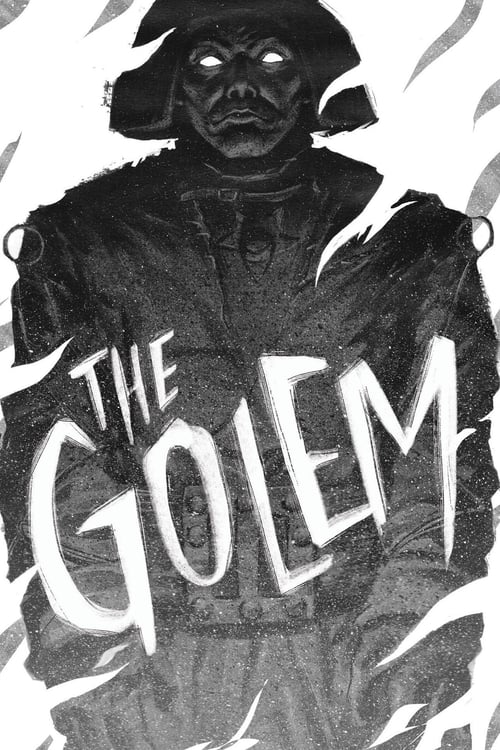
1920
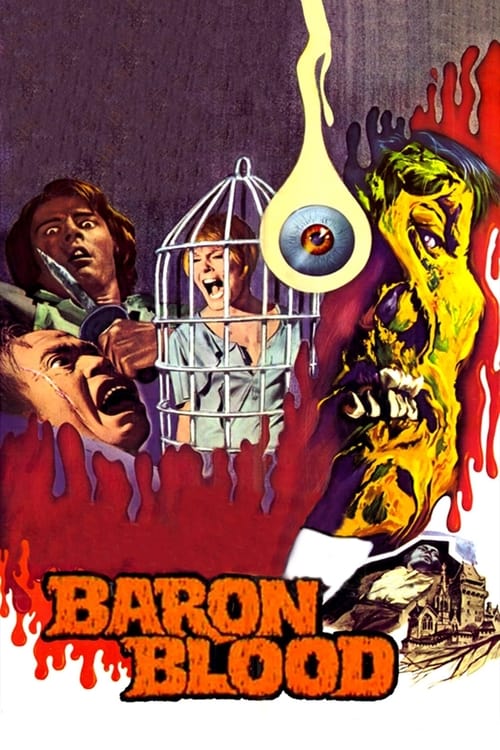
1972
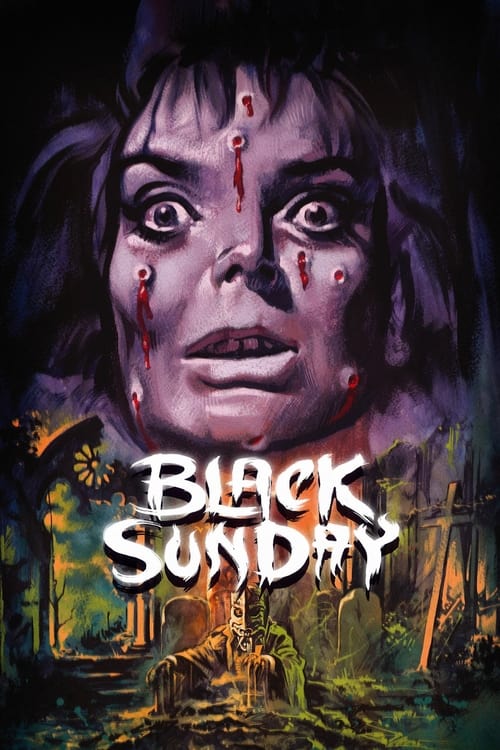
1960
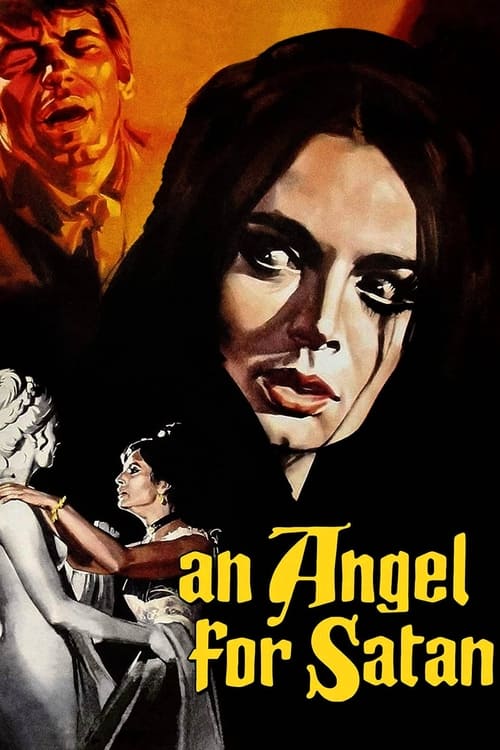
1966
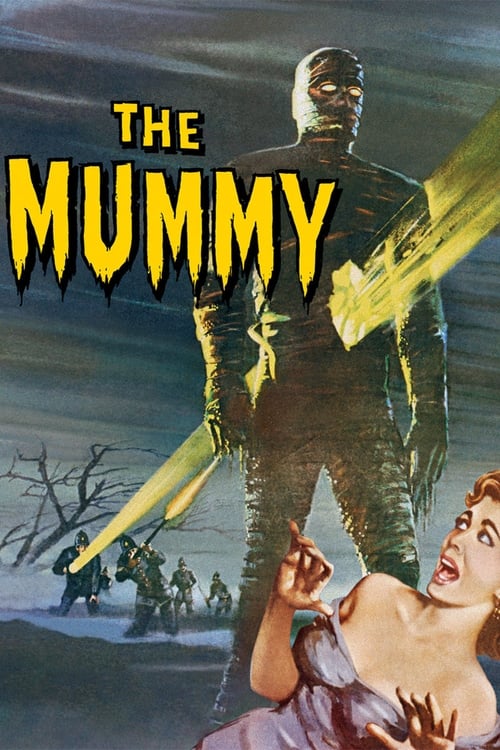
1959
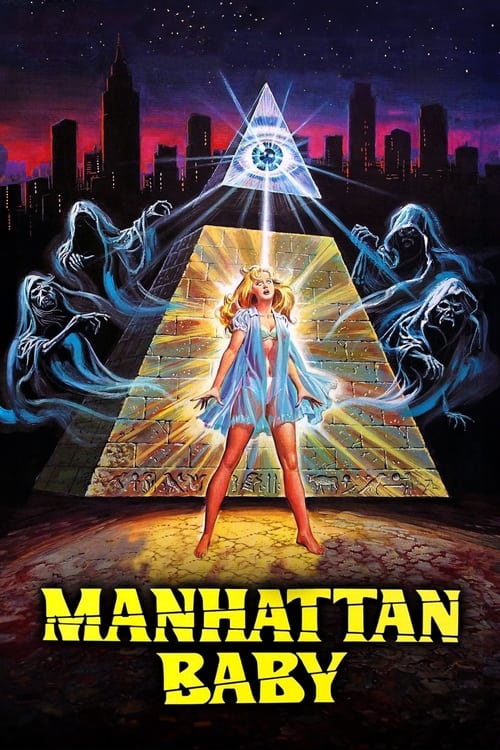
1982
1972
No reviews yet. Be the first to share your thoughts on this movie!
Use the rating form above to leave a star rating and optional review.