
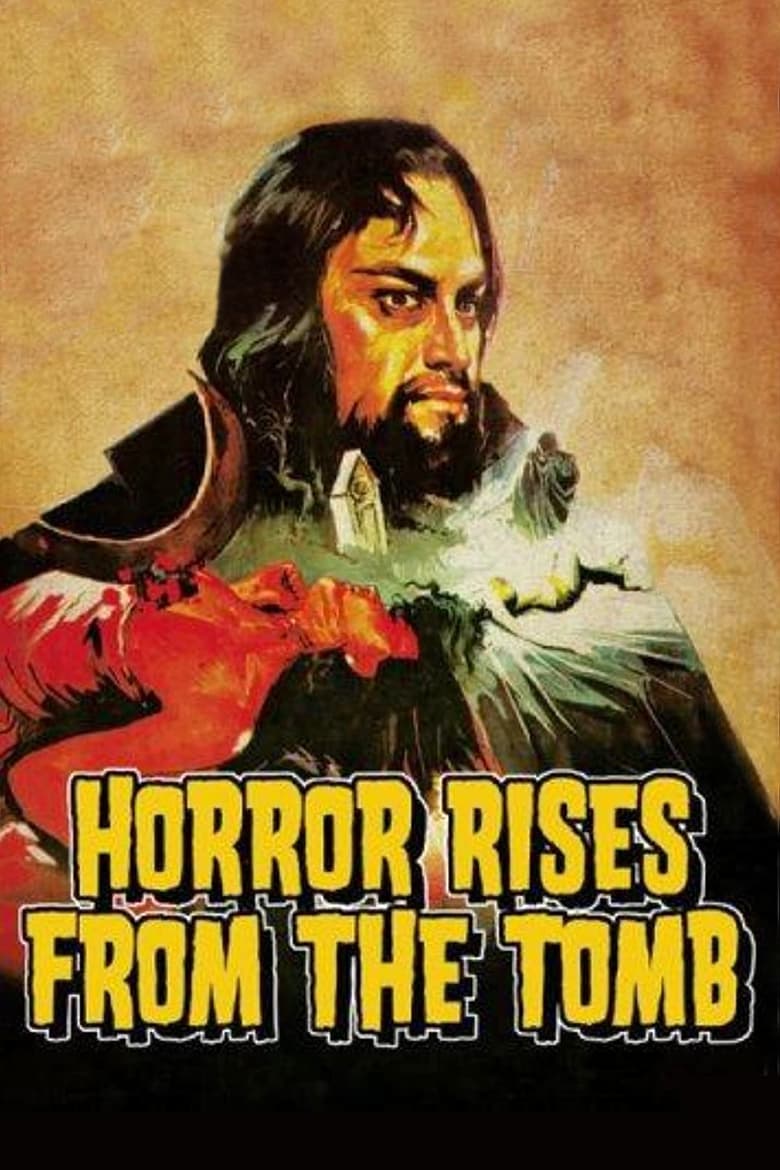
Curse of the Devil
1973
No user ratings available yet
Diversity score: 1.8 out of 10
1973
RDirector
Carlos Aured
Runtime
88 minutes
Average Rating
No ratings yetSynopsis
In Medieval France a warlock is beheaded and his wife is tortured and executed. Hundreds of years later, an isolated group of people discover his head buried on their property. Soon it comes back to life, possessing people and using them to commit sacrifices and to search for the rest of his body.
Overall Score
Limited
Category Breakdown
LGBTQ+ Representation
The film lacks any evidence of LGBTQ+ characters or non-heteronormative identities. The central conflict is rooted in a traditional, violent historical marriage.
Gender Representation
Gender roles follow traditional power dynamics, with the female character defined by her relationship to the male protagonist and her martyrdom. There is no subversion of these hierarchies.
Racial & Ethnic Diversity
Set in Medieval France, the narrative suggests a homogeneous European cast. There is no evidence of racial blending or intentional demographic diversity among the human characters.
Religious & Cultural Diversity
The film critiques institutional authority by framing the warlock and his wife as victims of state-sanctioned execution. This presents the church and state as sources of trauma.
Disability Representation
The narrative provides no mention of characters with visible or invisible disabilities.
Strengths
Areas for Improvement
AI Analysis
Horror Rises from the Tomb is a genre-driven exercise in supernatural retribution. It relies on a traditional Gothic structure where historical trauma drives the contemporary plot. The film lacks intentional intersectional representation or modern progressive casting. Its focus remains on the cyclical nature of violence and vengeance rather than social diversity. However, it offers a moderate critique of historical institutions. By portraying the state and church as the original aggressors, it challenges the idea of historical authority as inherently benevolent.
1973
1975
1971

1986
1974
1975
1973
1981
1973
1989

1990

1992
No reviews yet. Be the first to share your thoughts on this movie!
Use the rating form above to leave a star rating and optional review.