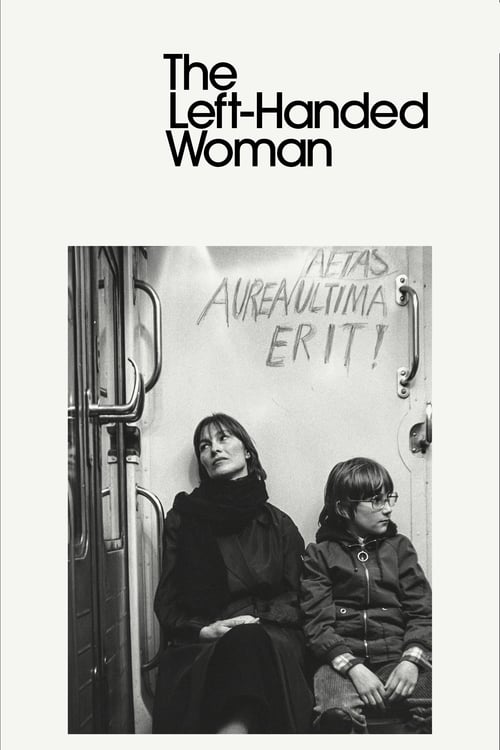
The Left-Handed Woman
1977
No user ratings available yet
Diversity score: 4.6 out of 10
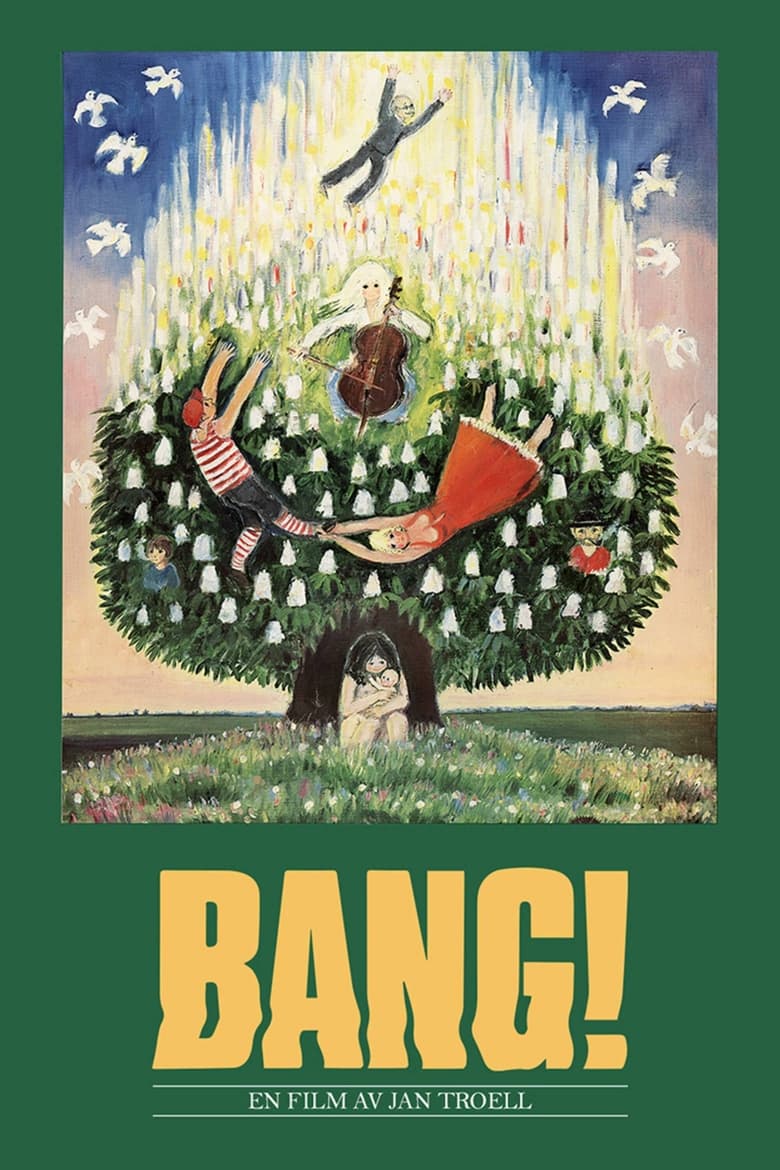
1977
Director
Jan Troell
Runtime
100 minutes
Average Rating
No ratings yetSynopsis
A lonely teacher muddles through a midlife crisis as he navigates romantic relationships and tries his hand at composing experimental music.
Overall Score
Fair
Category Breakdown
LGBTQ+ Representation
The film lacks explicit depictions of non-cisnormative identities or same-sex intimacy. It operates within traditional heteronormative frameworks without queer-coded characters driving the plot.
Gender Representation
Female characters demonstrate significant autonomy and internal complexity, disrupting common period drama tropes. They possess agency and engage in meaningful dialogue, successfully navigating the Bechdel test.
Racial & Ethnic Diversity
The ensemble is primarily homogeneous, reflecting the demographic realities of an 18th-century European setting. There is no intentional inclusion of non-Anglo-Saxon characters to challenge the historical context.
Religious & Cultural Diversity
The narrative critiques traditional Western institutions by portraying religious figures through a lens of human fallibility. It utilizes moral relativism to challenge binary notions of good and evil.
Disability Representation
There is no prominent or centralized depiction of neurodivergence or physical disability. While human struggle is present, disability is not used as a tool for narrative depth.
Strengths
Areas for Improvement
AI Analysis
Jan Troell’s *Bang!* is a postmodern deconstruction of the historical epic that prioritizes individual subjectivity over rigid morality. It excels in its subversion of gender hierarchies, offering women significant agency and intellectual depth that defies the submissive tropes of the 18th-century setting. However, the film is limited by its historical focus, resulting in a homogeneous cast and a lack of racial or LGBTQ+ representation. The narrative remains centered on European social classes and traditional heteronormative structures. Ultimately, the film's strength lies in its cultural critique. By exploring situational ethics and the friction between individuals and religious authorities, it provides a nuanced view of human connection and social strata.
1977
1980
1973

1969
1967
1977
1984

1993
1972
1971
1977

1973
No reviews yet. Be the first to share your thoughts on this movie!
Use the rating form above to leave a star rating and optional review.