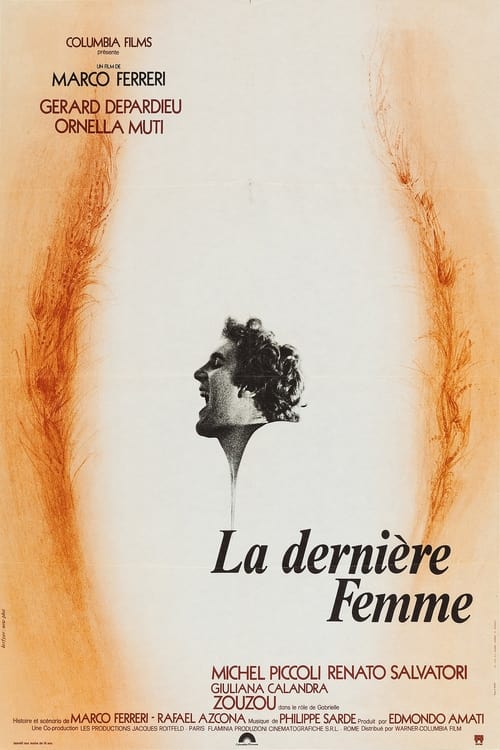
The Last Woman
1976
No user ratings available yet
Diversity score: 5.3 out of 10

1977
Director
Peter Handke
Runtime
116 minutes
Average Rating
No ratings yetSynopsis
Mourning for a lost relationship can be every bit as devastating as mourning for someone who has died. In this drama based on the director's own novel, a couple with an unhappy marriage agree to a trial separation. They try to patch things up, and at the same time other relationships begin to develop for them.
Overall Score
Fair
Category Breakdown
LGBTQ+ Representation
The film operates within a traditional heteronormative framework. It focuses on the psychological fallout of heterosexual relationship dissolution rather than exploring queer identities.
Gender Representation
The narrative centers on the female protagonist's internal psychological state and agency. It subverts the stable female partner trope by portraying her existential isolation and autonomy.
Racial & Ethnic Diversity
Reflecting its 1978 European production, the film features a homogeneous cast. There is an absence of racial diversity or intentional casting shifts within this localized environment.
Religious & Cultural Diversity
The film prioritizes postmodern subjectivity and moral relativism over a singular truth. It explores social disconnection and the breakdown of traditional communication and social structures.
Disability Representation
There is no explicit depiction of physical or sensory disabilities. Instead, the film explores psychological alienation and mental fragmentation as existential conditions.
Strengths
Areas for Improvement
AI Analysis
Peter Handke’s drama succeeds in disrupting conventional domestic narratives by centering the female experience. By focusing on the protagonist's subjective autonomy and alienation, the film moves away from male-driven plots and traditional gender hierarchies. However, the film is limited by its narrow demographic scope. The lack of racial diversity and the absence of LGBTQ+ characters keep the narrative within a very specific, homogeneous European context. Ultimately, the film is a study of existential isolation. While it excels at subverting gendered tropes, its lack of intersectional representation results in a moderate overall diversity score.
1976

1960
1992
1977
1979

1974

1979

1967

1984

2020
1968

1979
No reviews yet. Be the first to share your thoughts on this movie!
Use the rating form above to leave a star rating and optional review.