Impressions of the Old Marseille Harbor
1929
No user ratings available yet
Representation score: 5.0 out of 10
Representation Score
Limited
1930
Director
José Leitão de Barros
Runtime
95 minutes
Average Rating
No ratings yetNew Showbiz Analysis
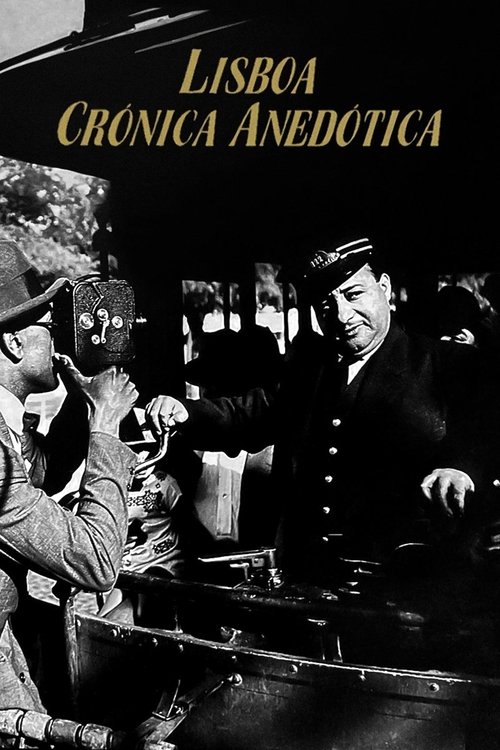
José Leitão de Barros captures a poetic, rhythmic tapestry of Lisbon, using montage to document the city's daily life. The film stands as a significant historical artifact, offering a vivid, observational look at a 1930s port town through its streets and docks. However, the work adheres to traditional social chronicles that mirror the era's demographic norms. It lacks the intentional subversion of hierarchies or the inclusion of underrepresented identities found in more progressive cinema. Ultimately, the film focuses on urban movement rather than serving as a platform for diverse social representation, reflecting the social realities of its time without challenging established norms.
Category Breakdown
The film does not include any characters or narratives that represent LGBTQ+ identities. In the context of 1930s Portugal, these identities are not present in the urban scenes.
Women are shown as workers and pedestrians in the city. However, the film reflects traditional social hierarchies without highlighting female empowerment that challenges patriarchal structures.
The film depicts a largely homogeneous population typical of the time. Although Lisbon was a port city, the movie does not emphasize racial or ethnic diversity.
The film serves as a historical record of urban movement and local identity. It captures contemporary institutions in their functional roles without deconstructing them.
There are no characters with visible or invisible disabilities in the film. The focus remains on the dynamic energy of the general population and the urban crowd.
Present on Screen
Limited or Absent
Official Synopsis
Caleidoscope of documentary-like scenes and re-enacted episodes of a day in the life of a large port town – Lisbon, from the old district around Saint George's Castle down to the docks and the 'Sagres' on the Tagus river, to the new commercial districts.
1929

1927
1926
1941
1897

1929
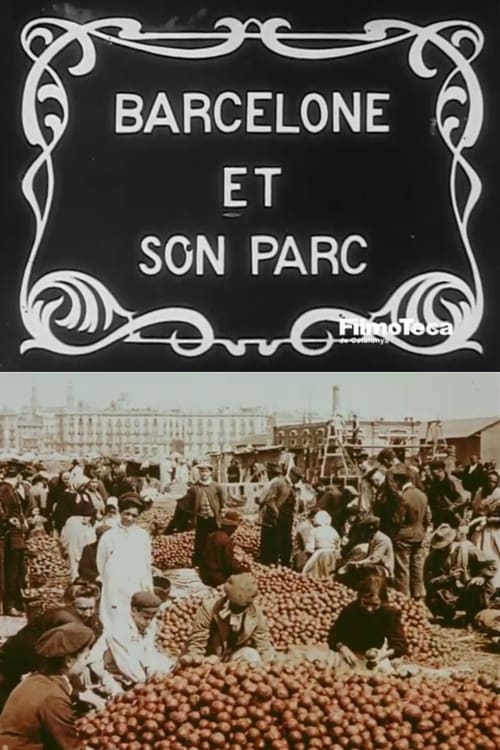
1912

1931
No reviews yet. Be the first to share your thoughts on this movie!
Use the rating form above to leave a star rating and optional review.