On the Bowery
1957
No user ratings available yet
Representation score: 6.9 out of 10
Representation Score
Fair
1926
Director
Alberto Cavalcanti
Runtime
46 minutes
Average Rating
No ratings yetNew Showbiz Analysis
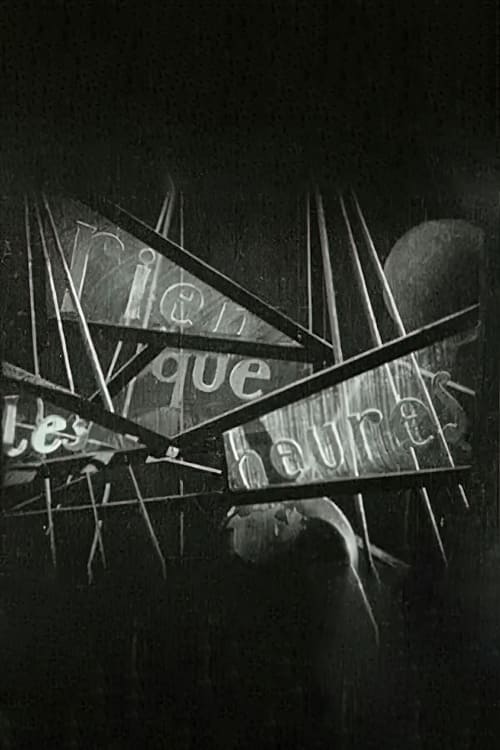
Alberto Cavalcanti’s film employs a realist approach to challenge monolithic representations of society. By highlighting the intersection of personal experiences and systemic environments, the film offers a foundational layer of representation through its focus on class dynamics. However, the film does not feature explicit narratives centered around racial or LGBTQ+ identities. While it captures the diversity of a metropolitan environment, it lacks a specific emphasis on these themes. Ultimately, the film’s strength lies in its observational morality. It moves away from idealized social structures to present a raw, multifaceted view of life in 1920s Paris.
Category Breakdown
The film presents a broad view of Parisian life but does not explicitly show non-straight relationships or identities. It sticks to a neutral tone typical of silent-era observational films.
Women are shown across different economic levels, from wealthy to working-class. This variety challenges idealized views of femininity, although it may not fully overturn gender hierarchies.
Although Paris is known for its multicultural population, the film does not clearly represent a non-white majority cast. There is no specific narrative focus on racial identity.
The film contrasts beauty with hardship, providing a nuanced look at urban life. It focuses on socio-economic conditions rather than a romanticized portrayal.
There is no specific evidence of the portrayal of physical or neurodevelopmental disabilities in the film's storyline.
Present on Screen
Limited or Absent
Official Synopsis
The life of a great city (Paris) from dawn until dusk, including the beautiful and the ragged, the rich and the poor.
1957

1927

1928

1930

1963

1897
1929
1957
No reviews yet. Be the first to share your thoughts on this movie!
Use the rating form above to leave a star rating and optional review.