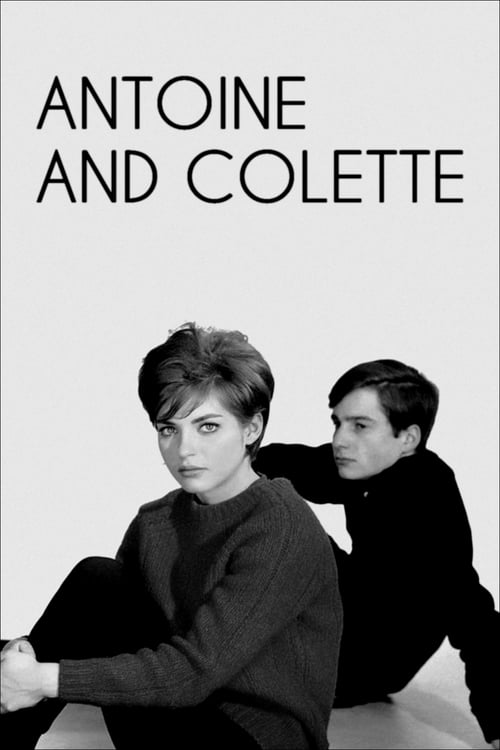
Antoine and Colette
1962
No user ratings available yet
Representation score: 3.4 out of 10
Representation Score
Fair
1979
PGDirector
François Truffaut
Runtime
93 minutes
Average Rating
No ratings yetNew Showbiz Analysis
Truffaut’s work serves as a sophisticated character study that deconstructs traditional Western social institutions. By emphasizing the fluidity of personal lives and the complexities of modern relationships, the film questions the sanctity of the nuclear family. However, the film remains limited by its demographic focus, lacking significant markers of racial or LGBTQ+ diversity. Its strength lies in its subversion of gendered expectations and its emphasis on individual ability to act over social conformity.
Category Breakdown
The film focuses on a heterosexual relationship and does not include queer-coded narratives or non-assuming gender matches what was assigned at birth identities.
Colette Tazzi stands out as a professional lawyer with intellectual ability to act, challenging traditional gender roles. Antoine Doinel's portrayal of a vulnerable, emotionally complex man adds depth to the story.
The film reflects the demographic homogeneity of 1970s French society and does not include a multi-ethnic cast or intentional racial diversity.
The story emphasizes individual truth over institutional stability by focusing on divorce and personal experiences, critiquing rigid structures of marriage and traditional domestic life.
The film does not feature characters dealing with physical, neurodivergent, or mental health conditions.
Present on Screen
Limited or Absent
Official Synopsis
Now in his thirties, Antoine Doinel is a divorced proofreader in love with a record seller. Colette Tazzi, now a lawyer, buys his first published autobiography, leading them to a chance meeting.
1962
1968
1975
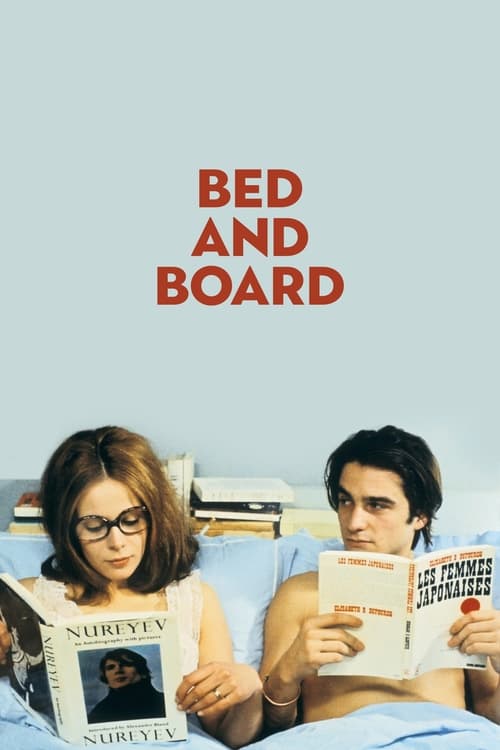
1970
1996

1971
1977
1967
No reviews yet. Be the first to share your thoughts on this movie!
Use the rating form above to leave a star rating and optional review.