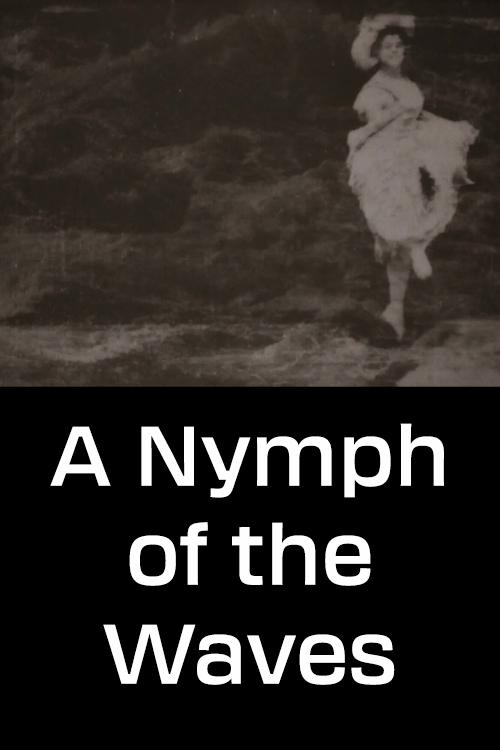
A Nymph of the Waves
1900
No user ratings available yet
Representation score: 1.2 out of 10
No Poster Available
Representation Score
Minimal
1903
Director
Frederick S. Armitage
Runtime
1 minutes
Average Rating
No ratings yetNew Showbiz Analysis
Ameta serves as a foundational historical document of early cinema rather than a narrative work. Its primary purpose is the observational capture of physical movement and early cinematic experimentation. Because the film is a brief actuality, it lacks the structural complexity needed to explore multi-layered themes or systemic social critiques. It functions as a technical record of a performance rather than a vehicle for social commentary. The content remains centered on the visual mechanics of the dance, adhering to the early 20th-century tradition of centering solo female performers for visual interest.
Category Breakdown
The film is a brief, non-narrative recording of a solo performance. It contains no evidence of LGBTQ identity or narratives addressing the assumption that everyone is straight or cisgender.
A female performer serves as the central subject, demonstrating physical mastery. However, the footage functions primarily as a spectacle of the female form.
The performance involves white sheets, but the performer's specific ethnicity is not confirmed. There is no evidence of multi-layered representation.
This is a secular, non-narrative recording of a dance. It does not engage in critiques of Western institutions or religious dogma.
There is no evidence of performers with visible or invisible disabilities portrayed in this archival footage.
Present on Screen
Limited or Absent
Official Synopsis
A filmed record of a fan dancer performing a dance using two white sheets suspended from poles which she frantically twirls around herself to create a succession of patterns.
1900
2011

1897
1897

1895

1894
1900
1896
No reviews yet. Be the first to share your thoughts on this movie!
Use the rating form above to leave a star rating and optional review.