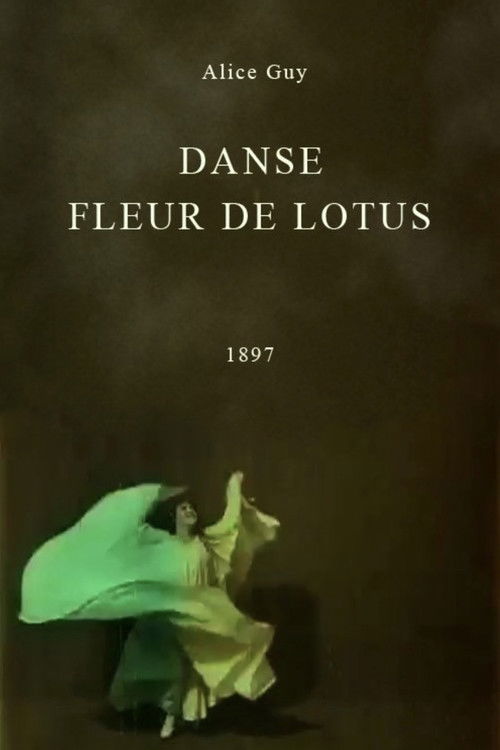
Danse Fleur de Lotus
1897
No user ratings available yet
Representation score: 5.0 out of 10
Representation Score
Limited
1897
Director
Georges Demenÿ
Runtime
1 minutes
Average Rating
No ratings yetNew Showbiz Analysis
This foundational piece of early cinema serves primarily as a technical milestone rather than a vehicle for diverse representation. Its main strength lies in challenging period-specific gender clichés through Fuller’s physical ability to act. However, the film is constrained by its historical context, focusing solely on a Western avant-garde performer and lacking racial and ethnic diversity. Ultimately, while the performance disrupts traditional female passivity, the work remains a narrow document of European modernism.
Category Breakdown
The film centers on a solo performance by Loïe Fuller. Though her style hints at gender fluidity, there are no direct representations of LGBTQ+ identities or same-sex relationships.
Loïe Fuller asserts herself with strong artistic presence and physical command. She defies the passive, decorative roles often assigned to women in the late 19th century.
The film features a homogenous cast focused on a single European performer. There is no indication of racial or ethnic diversity within the production.
The work emphasizes secular high art and individualistic expression, functioning as a product of modernism rather than a critique of Western or capitalist structures.
The film does not provide any specific details or depictions related to physical or neurodivergent traits.
Present on Screen
Limited or Absent
Official Synopsis
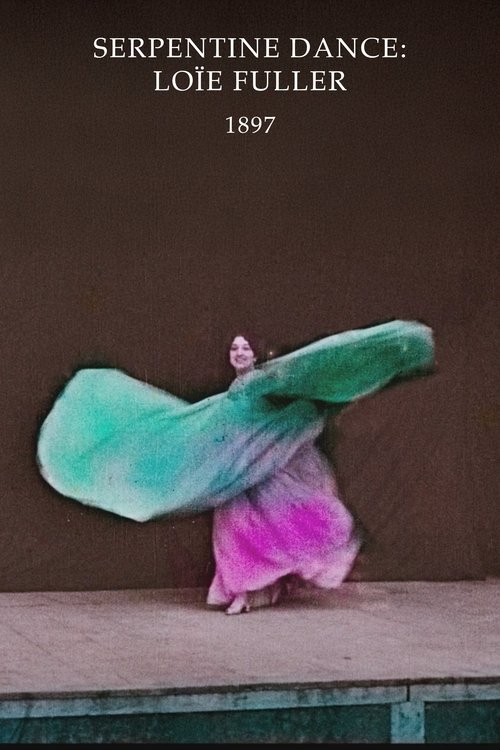
Loïe Fuller performs a serpentine dance.
1897
2011
1897
2016
1897
1897
1905
1896
No reviews yet. Be the first to share your thoughts on this movie!
Use the rating form above to leave a star rating and optional review.