Piter FM
2006
No user ratings available yet
Diversity score: 2.5 out of 10
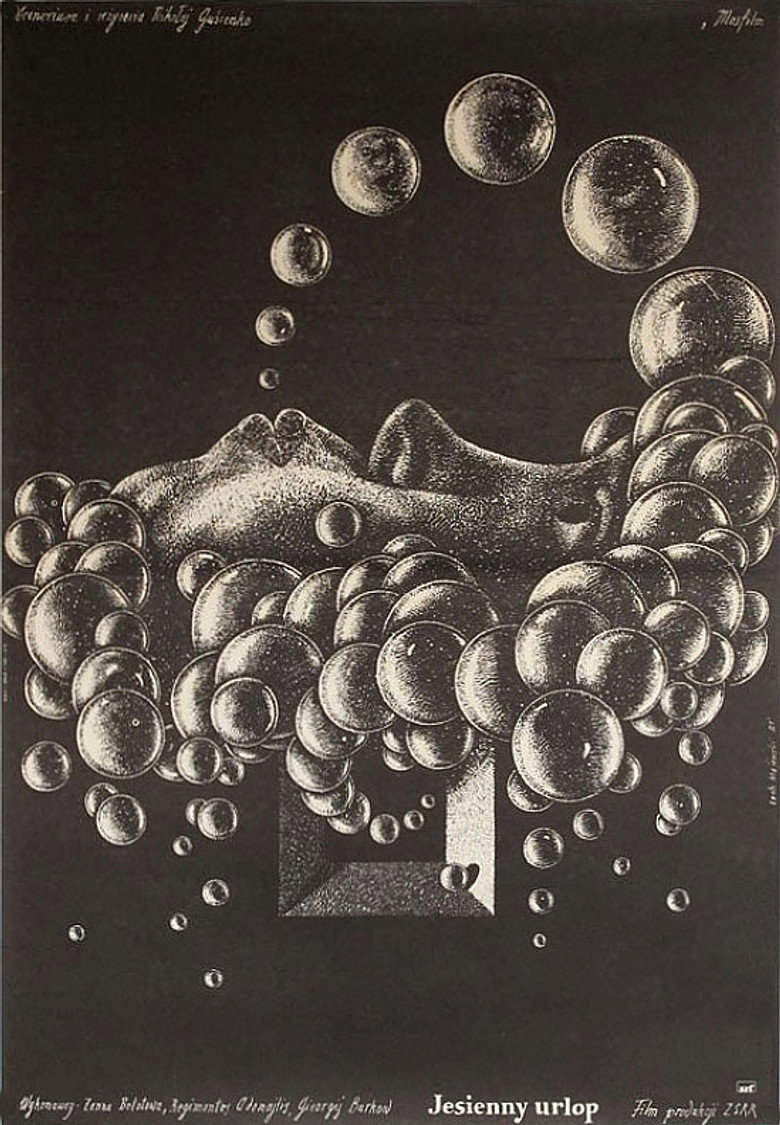
1981
Director
Nikolai Gubenko
Runtime
80 minutes
Average Rating
No ratings yetSynopsis
Late autumn on the southern coast of Crimea. Cold sea. A colorful crowd gathered in one of the boarding houses, forced to invent entertainment for themselves ... In this situation of endless conversations about health and its absence, retellings of domestic dramas and obligatory resort flirting, the love of two middle-aged people Nadezhda Andreyevna and Alexey Sergeyevich is born.
Overall Score
Limited
Category Breakdown
LGBTQ+ Representation
The film centers on a traditional romantic connection between two individuals. There is no evidence of non-cisnormative identities or same-sex intimacy within the narrative.
Gender Representation
The story explores emotional vulnerability in both leads, suggesting a departure from rigid archetypes. However, it does not explicitly subvert traditional gender hierarchies.
Racial & Ethnic Diversity
The production reflects the demographic realities of the Soviet era with a largely homogeneous Eastern European cast. No significant ethnic blending is present in the character arcs.
Religious & Cultural Diversity
The film highlights a non-Western model of social welfare through its sanatorium setting. It prioritizes a contemplative, communal aesthetic over consumerist storytelling.
Disability Representation
The sanatorium setting focuses on physical restoration and wellness. It remains unclear if disabilities are portrayed with agency or used strictly as plot devices.
Strengths
Areas for Improvement
AI Analysis
Nikolai Gubenko’s film is a quiet character study of two lonely individuals finding connection at a Soviet-era sea resort. It functions primarily as an exploration of interpersonal intimacy within a specific socio-political landscape. The film lacks intersectional diversity, particularly regarding race and LGBTQ+ identities, which keeps the score low. It adheres to the social and demographic norms of the USSR during the early 1980s. However, the work gains points for its cultural positioning. By centering on state-provided leisure and communal living, it offers a narrative framework that challenges Western-centric, individualist models of social organization.
2006

1979
1971

1989
1938
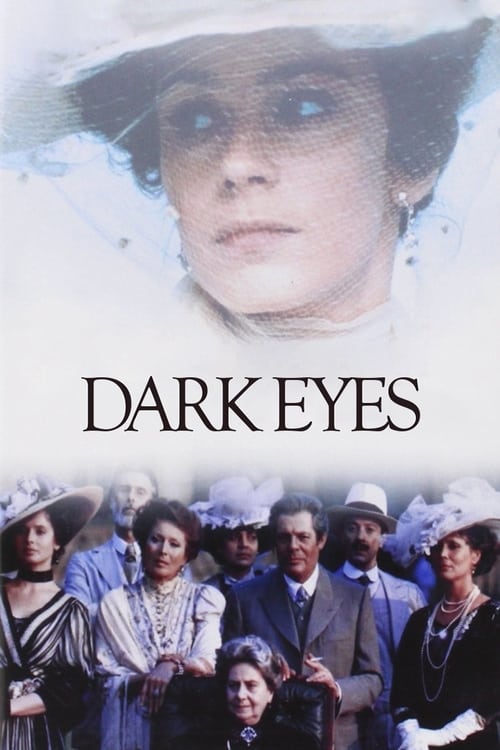
1987
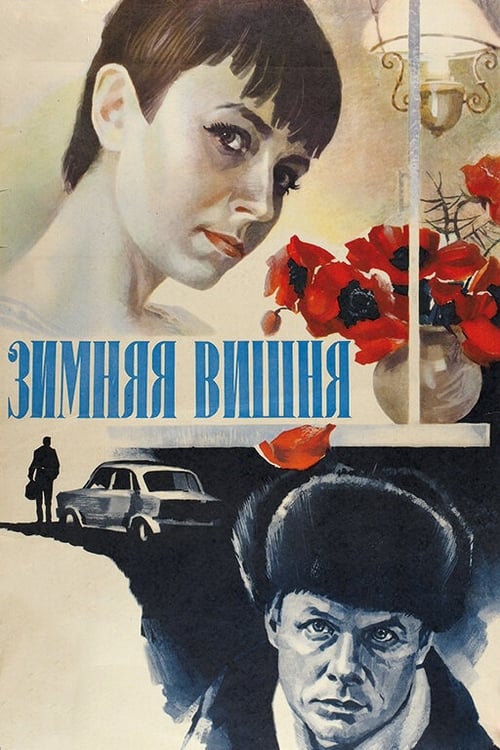
1985
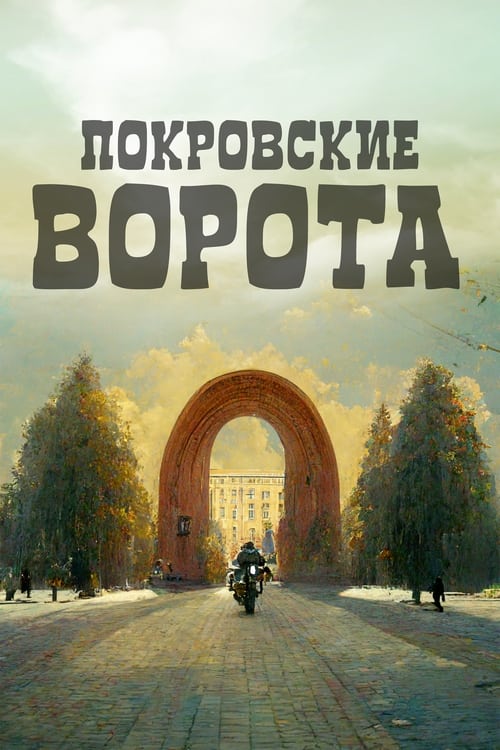
1983
No reviews yet. Be the first to share your thoughts on this movie!
Use the rating form above to leave a star rating and optional review.