
The Maker
2011
No user ratings available yet
Diversity score: 1.5 out of 10

1935
Director
Lotte Reiniger
Runtime
11 minutes
Average Rating
No ratings yetSynopsis
Film shows the story of Papageno (the one from Mozart's opera "The Magic Flute"), who wants a mate, yet has difficulties getting one.
Overall Score
Limited
Category Breakdown
LGBTQ+ Representation
The film follows a traditional romantic quest for a partner. There is no evidence of queer subtext or non-cisnormative identities within this silhouette narrative.
Gender Representation
Papageno is depicted through a whimsical, non-threatening masculinity. The story adheres to established operatic archetypes rather than subverting traditional gender hierarchies.
Racial & Ethnic Diversity
The silhouette medium obscures racial markers through black shapes and negative space. This abstraction does not serve as a deliberate tool for ethnic diversity.
Religious & Cultural Diversity
The work celebrates Western classical traditions and Mozart’s operatic legacy. It reinforces European cultural aesthetics and traditional narrative structures.
Disability Representation
There is no visible or documented evidence regarding the portrayal of physical or neurodivergent disabilities in this work.
Strengths
Areas for Improvement
AI Analysis
Lotte Reiniger’s masterpiece is a technical triumph of silhouette animation that prioritizes aesthetic abstraction over social complexity. While visually stunning, the film operates within a rigid, traditionalist framework rooted in 18th-century operatic tropes. The narrative focuses on a singular, archetypal quest for companionship. This narrow focus, combined with the medium's inherent tendency to flatten identity markers, results in a lack of intersectional depth or progressive agency. Ultimately, the film functions as a preservation of high-culture European art rather than a disruption of social hierarchies.
2011

1982
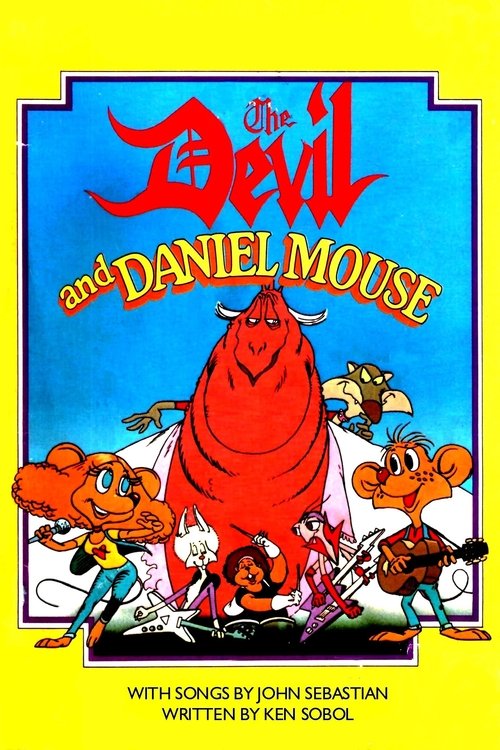
1978

1921

1944
No reviews yet. Be the first to share your thoughts on this movie!
Use the rating form above to leave a star rating and optional review.