Papageno
1935
No user ratings available yet
Diversity score: 2.8 out of 10
1982
Director
Isao Takahata
Runtime
63 minutes
Average Rating
No ratings yetSynopsis
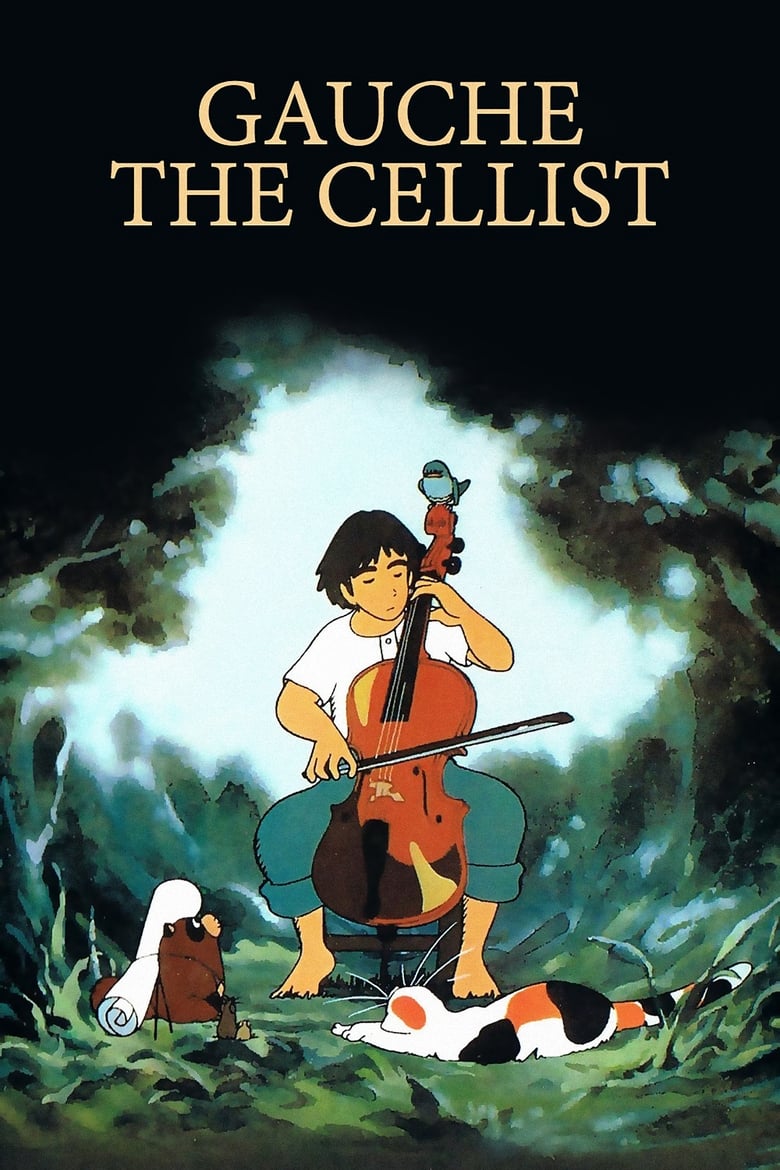
Gauche is a diligent but mediocre cellist who plays for a small town orchestra and the local cinema in the early 20th century. He struggles during rehearsals and is often berated by his conductor during preparations for an upcoming performance of Beethoven's Sixth Symphony. Over the course of four nights, Gauche is visited at his mill house home by talking animals as he is practicing.
Overall Score
Fair
Category Breakdown
LGBTQ+ Representation
The film contains no LGBTQ+ characters or explorations of non-heteronormative identities. The story focuses entirely on the protagonist's musical craft and his interactions with the natural world.
Gender Representation
The narrative centers on a male cellist's struggle with professional inadequacy. While it avoids traditional gendered domesticity, it operates within a standard early 20th-century social framework.
Racial & Ethnic Diversity
Set in early 20th-century Japan, the film depicts a relatively homogeneous social environment. It functions as a localized cultural study rather than a critique of racial hierarchies.
Religious & Cultural Diversity
The story explores the tension between individual artistic passion and rigid institutional authority. It portrays the isolation and discipline required to pursue musical perfection.
Disability Representation
There are no explicit depictions of physical or neurodivergent disabilities. However, the film meditates on social isolation and the experience of being an outsider.
Strengths
Areas for Improvement
AI Analysis
Gauche the Cellist is a lyrical, character-driven study of artistic discipline. It prioritizes the internal psychological landscape of its protagonist over systemic social critique or broad demographic representation. The film excels at portraying individual agency and the friction between a person and societal expectations. It uses a focused, localized setting to explore the burdens of perfectionism and professional struggle. However, the narrative lacks intersectional representation and does not actively subvert traditional social hierarchies. The scope remains narrow, focusing on the protagonist's relationship with his music and the animal world.
No reviews yet. Be the first to share your thoughts on this movie!
Use the rating form above to leave a star rating and optional review.