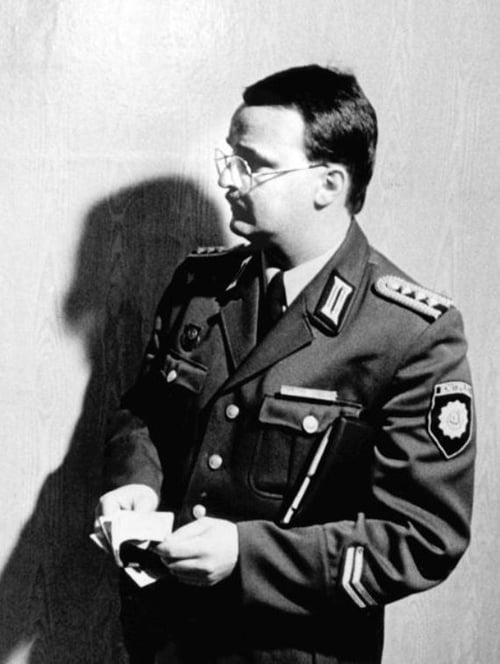
The People's Police Force, 1985
1985
No user ratings available yet
Representation score: 4.4 out of 10
Representation Score
Limited
1984
Director
Thomas Heise
Runtime
56 minutes
Average Rating
No ratings yetNew Showbiz Analysis
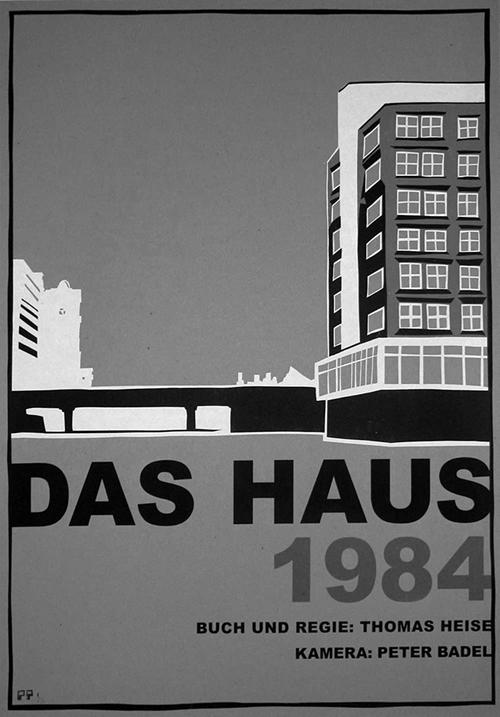
Thomas Heise’s documentary serves as a sociological study of the Berlin-Mitte district office during the GDR era. It centers on the friction between state bureaucracy and the citizenry, offering a rare look at socialist administrative life. While the film provides a sophisticated deconstruction of systemic power, it is limited by its specific historical and geographic context. The demographic focus reflects the homogeneity of East Berlin in the 1980s, resulting in low racial and ethnic diversity. Ultimately, the work is a significant piece of observational cinema, challenging Western political storytelling clichés by framing civic duty through a lens of collective administration rather than liberal democratic models.
Category Breakdown
The documentary does not include any LGBTQ+ characters or narratives related to non-cisgender identities.
The film explores the gendered hierarchies within a 1980s socialist bureaucracy, highlighting how gender roles play out within state institutions.
The film likely reflects the demographic homogeneity of East Berlin in 1984, focusing on interactions between local officials and citizens within a historically homogeneous population.
The film stands out by examining non-Western institutional structures, disrupting conventional Western capitalist perspectives by documenting the mechanics of a socialist district office.
There is no evidence regarding the portrayal of individuals with physical or neurodivergent disabilities in this work.
Present on Screen
Limited or Absent
Official Synopsis
Thomas Heise's documentary portrays the meeting of officials and citizens in the district office of Berlin-Mitte in 1984. The movie uniquely displays how socialist officals and citizens interact.
1985

2017

1992
2015
1992
1990

1989

1971
No reviews yet. Be the first to share your thoughts on this movie!
Use the rating form above to leave a star rating and optional review.