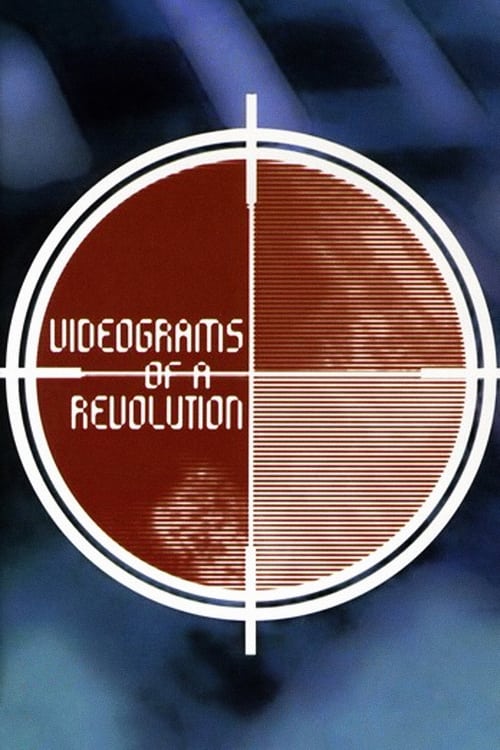
Videograms of a Revolution
1992
No user ratings available yet
Representation score: 6.2 out of 10

Representation Score
Excellent
1989
Director
Andreas Voigt, Gerd Kroske
Runtime
54 minutes
Average Rating
No ratings yetNew Showbiz Analysis
Leipzig in Autumn serves as a vital mosaic of the Peaceful Revolution, shifting the lens from centralized state authority to the ability to act of the individual citizen. It succeeds by documenting a wide array of social roles, from protesters to street sweepers, creating a multi-vocal tapestry of civilian mobilization. The film's strength lies in its deconstruction of institutional power. By focusing on the collision between the state apparatus and the populace, it provides a sophisticated study of how grassroots movements challenge established political dogmas. However, the documentary remains limited by the specific demographic and social constraints of 1989 East Germany. While it captures class-based diversity, it lacks explicit representation of specific identity-driven narratives, such as LGBTQ+ or disability-focused arcs.
Category Breakdown
The film focuses on broad sociological movements rather than specific individual LGBTQ+ identities. While the movement for personal liberation provides a framework for non-normative identities, there are no specific LGBTQ+ character arcs.
The documentary disrupts traditional hierarchies by centering civilian roles over masculine state archetypes. By highlighting workers and street sweepers, it challenges patriarchal structures of the contemporary political regime.
The participants reflect the demographic realities of the GDR in 1989. The film emphasizes class-based diversity and the intersection of social roles, challenging the state's monolithic presentation.
The film excels in critiquing state-controlled institutions and institutionalized dogma. It portrays the peaceful revolution as a movement toward liberation and self-determination against an oppressive state order.
The observational footage captures the raw physical realities of a mass crowd. There is no specific evidence of disability being used as a narrative device or central arc.
Present on Screen
Limited or Absent
Official Synopsis
Voigt, Kroske and Richter were among the first filmmakers who documented the events of the historic 9th of October 1989. Their “material” reflects them from different angles: protesters, workers, opposition members, policemen, street sweepers and functionaries. THE document of the “peaceful revolution”.
1992
2015
1990

2013
2019
2019
1977

2014
No reviews yet. Be the first to share your thoughts on this movie!
Use the rating form above to leave a star rating and optional review.