Kesse Teens und irre Typen
1979
No user ratings available yet
Diversity score: 2.6 out of 10
1978
Director
Walter Boos
Runtime
86 minutes
Average Rating
No ratings yetSynopsis
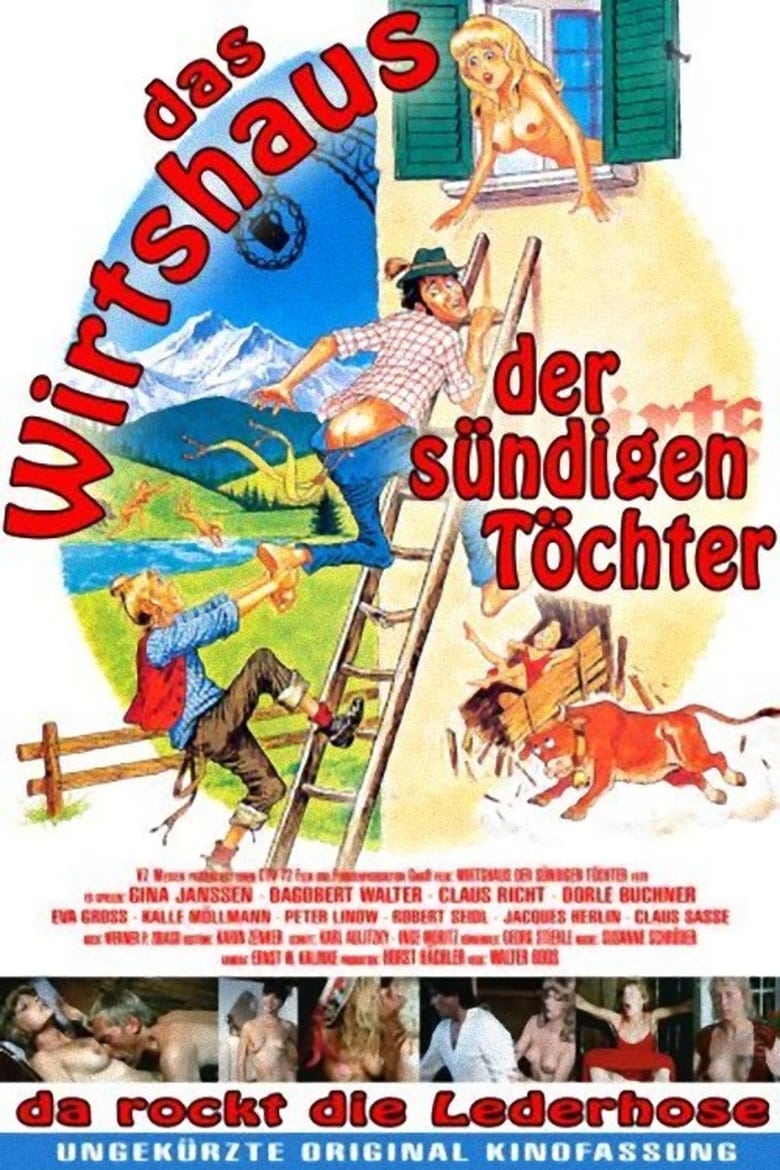
Lilli and Christl, blonde twins, live in the Upper Bavarian countryside. While Lilli is the prettier of the two and attracts a lot of male attention, Christl is a real country girl.
Overall Score
Limited
Category Breakdown
LGBTQ+ Representation
The film operates within a traditional heteronormative framework. There is no evidence of queer narratives or non-cisnormative gender identities present in the story.
Gender Representation
The narrative relies on binary female archetypes, contrasting a 'pretty' attractor with a 'country girl.' This reinforces conventional feminine roles based on aesthetics and domesticity.
Racial & Ethnic Diversity
Set in the Upper Bavarian countryside, the production reflects an ethnically homogeneous cast. It lacks intentional demographic blending or diverse racial representation.
Religious & Cultural Diversity
The film celebrates traditional Bavarian rural life and local customs. It functions as a reinforcement of regional identity rather than a critique of social structures.
Disability Representation
There is no documented evidence of characters with visible or invisible disabilities within the film.
Strengths
Areas for Improvement
AI Analysis
This 1978 regional comedy adheres strictly to the traditionalist genre frameworks of its era. The narrative focuses on localized Bavarian life, reinforcing established social hierarchies rather than challenging them. The film's character dynamics rely heavily on conventional tropes, particularly regarding gendered expectations and aesthetic value. It presents a homogeneous view of society that lacks intersectional depth. Ultimately, the work serves as a celebration of regional identity and social cohesion, offering a narrow, culturally specific perspective typical of 1970s German regional cinema.
1979

1980

1957
1961
1965
1971
1950

1978
1938
1947
1940

1991
No reviews yet. Be the first to share your thoughts on this movie!
Use the rating form above to leave a star rating and optional review.