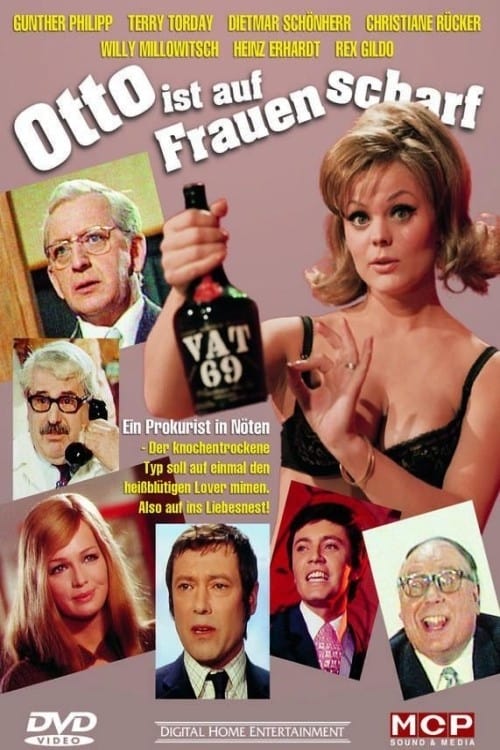
Otto ist auf Frauen scharf
1968
No user ratings available yet
Representation score: 1.4 out of 10
Representation Score
Minimal
1969
Director
Hans Albin
Runtime
85 minutes
Average Rating
No ratings yetNew Showbiz Analysis
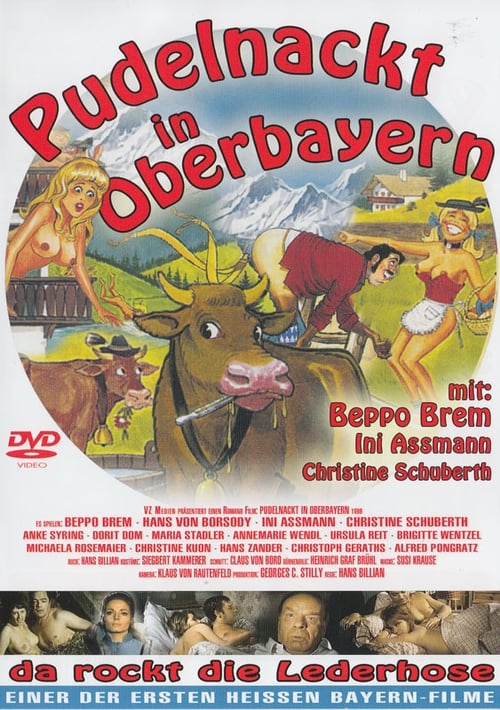
Bare Naked in Upper Bavaria is a product of its 1969 production context, reflecting the social hierarchies and genre conventions of traditional European comedy. The film emphasizes cultural homogeneity and established social structures, lacking progressive representation. The narrative structure reinforces traditional gender roles by framing the female lead through the lens of male desire. This approach diminishes character's ability to drive the story and relies on outdated formulas to drive the comedy. Overall, the film reflects the cinematic constraints of its era, offering limited diversity in terms of race, gender, or sexual orientation.
Category Breakdown
The film follows traditional norms and does not include any characters with non-traditional gender identities or critiques of traditional sexual norms.
The story focuses on a female protagonist who serves as an object of desire for the village men. Her role is driven by male interest rather than her own choices.
The film is set in Upper Bavaria and likely features a homogeneous Germanic cast with no indication of racial diversity or inclusion of non-white characters.
The story celebrates traditional Bavarian village life and customs, adhering to established Western communal norms without offering any critical perspective.
The narrative does not include any neurodivergent or physically disabled characters.
Present on Screen
Limited or Absent
Official Synopsis
The new waitress at the Gasthof zur Post is an object of desire for all men in the village.
1968
1969
1957
1973

1969
1982
1974
1973
No reviews yet. Be the first to share your thoughts on this movie!
Use the rating form above to leave a star rating and optional review.