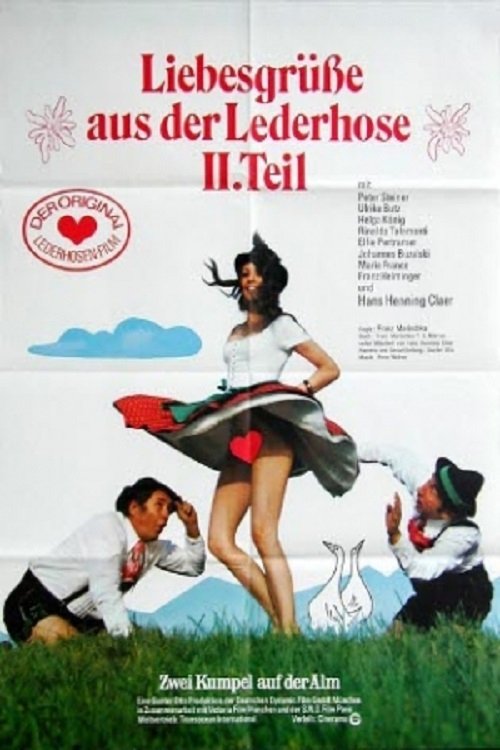
Liebesgrüße aus der Lederhose 2: Zwei Kumpel auf der Alm
1974
No user ratings available yet
Representation score: 0.9 out of 10
Representation Score
Minimal
1978
Director
Alois Brummer
Runtime
79 minutes
Average Rating
No ratings yetNew Showbiz Analysis
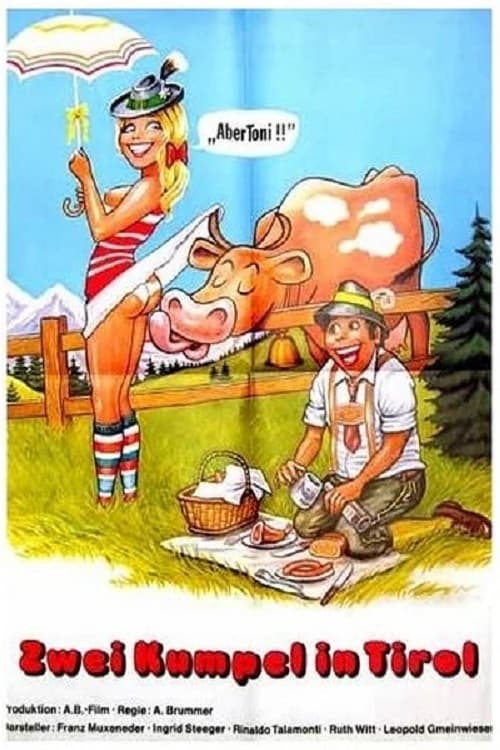
This 1978 comedy is a product of its time and specific regional setting, functioning as a traditional piece of Tyrolean storytelling that prioritizes local customs and established social hierarchies over narrative disruption. The film lacks depth in representing diverse identities, focusing instead on a narrow demographic. Character dynamics revolve around conventional gender roles and a homogeneous social structure typical of mid-century European regional cinema. Ultimately, the work does not attempt to challenge social norms or provide representation for underrepresented identities, remaining firmly within the cultural boundaries of its era.
Category Breakdown
The film follows traditional heterosexual dynamics and focuses on the pursuit of women, operating within a framework that assumes everyone is straight.
Men are portrayed as objects of female attention, while women's roles lack complexity or subversion, reflecting a traditional division of labor.
The setting reflects the demographic homogeneity of the Tyrolean region, with no indication of a multi-ethnic or non-white cast.
The film adheres to traditional regionalist clichés and local social customs, emphasizing established community norms without challenging broader social institutions.
The narrative contains no mention of characters with visible or invisible disabilities.
Present on Screen
Limited or Absent
Official Synopsis
Willy and Jonny drive the time to make the ladies’ world happy in the village of Bumskirchen. Local men have little understanding of these activities, so they are forced to take a break. They go to the city, where they continue to devote themselves to their favorite job: Jonny becomes the target object of starving ladies
1974

1985

1974

1969
1968

1978
1977
1982
No reviews yet. Be the first to share your thoughts on this movie!
Use the rating form above to leave a star rating and optional review.