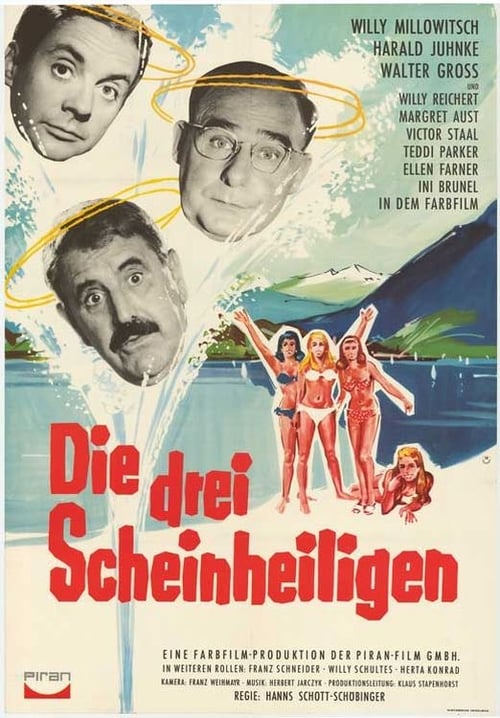
Die drei Scheinheiligen
1964
No user ratings available yet
Representation score: 1.6 out of 10
Representation Score
Minimal
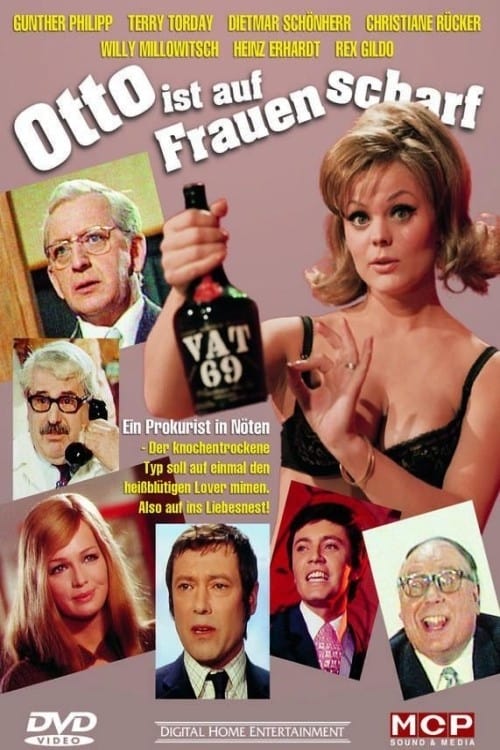
1968
Director
Franz Antel
Runtime
85 minutes
Average Rating
No ratings yetNew Showbiz Analysis
Otto ist auf Frauen scharf is a product of its specific temporal and cultural context, functioning as a standard piece of 1960s European commercial comedy. It prioritizes escapism and traditional comedic structures over the deconstruction of social hierarchies. The film adheres to the homogeneous demographic norms and conventional social frameworks prevalent in West German cinema at the time. It does not offer intentional disruptions of systemic norms. Ultimately, the work serves as a reflection of mid-century social structures rather than a tool for progressive representation or social critique.
Category Breakdown
The film follows the straight-centered social structures typical of 1960s German comedy. There is no indication of LGBTQ+ identities or critiques of traditional norms.
The narrative likely relies on established clichés regarding male pursuit and female archetypes. This focus reinforces traditional gender roles rather than challenging them.
The production reflects the homogeneous demographic norms of mid-century West German commercial cinema. The cast appears localized to a European context.
The film operates within the conventional social mores of its era. It lacks narratives that challenge the prevailing institutional or religious status quo.
There is no information available regarding the portrayal of characters with physical or neurodivergent disabilities.
Present on Screen
Limited or Absent
1964
1973
1964
1957
1961

1969
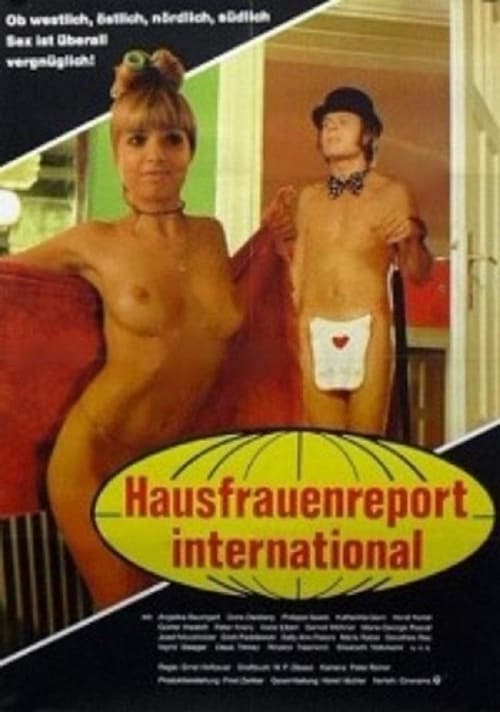
1973
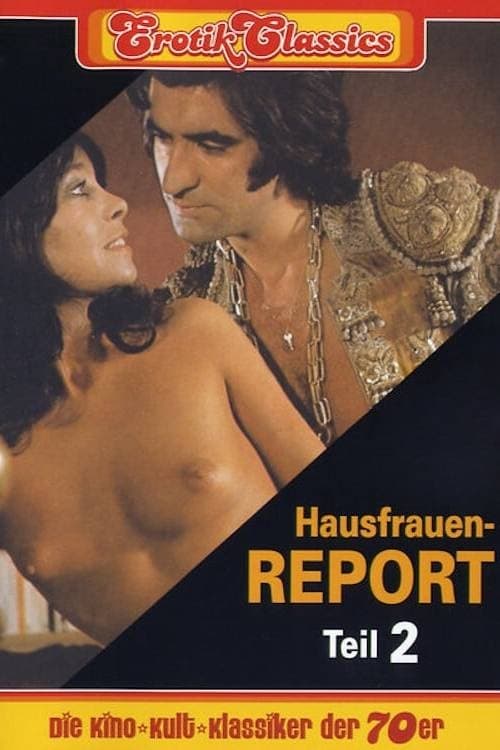
1971
No reviews yet. Be the first to share your thoughts on this movie!
Use the rating form above to leave a star rating and optional review.