
Chal Mera Putt 3
2021
No user ratings available yet
Representation score: 7.1 out of 10

Representation Score
Excellent
1991
RDirector
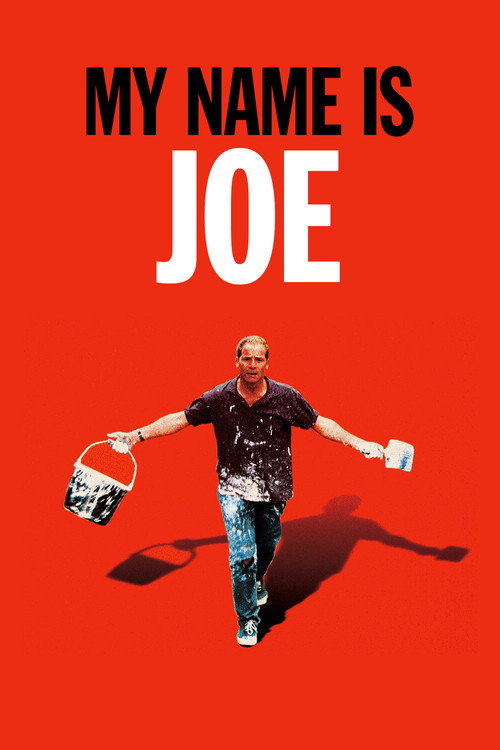
Ken Loach
Runtime
95 minutes
Average Rating
No ratings yetNew Showbiz Analysis
Ken Loach uses social realism to challenge traditional power structures. The film portrays underrepresented communities with ability to act and prioritizes communal solidarity over individualism. It moves away from homogeneous depictions of the British working class to show a nuanced, multicultural landscape. However, the film lacks specific representation for LGBTQ+ identities and does not center physical or neurodivergent disabilities.
Category Breakdown
The film doesn't include explicit queer narratives or same-sex intimacy. It emphasizes community solidarity over non-traditional gender expressions.
Women are shown as active participants in the struggle for survival, navigating socioeconomic pressures alongside their male counterparts.
The film captures the multicultural reality of urban Britain through a diverse working-class community. It highlights how ethnicity intersects with economic hardship on construction sites.
The film critiques capitalism and state institutions, portraying survival tactics like squatting as necessary responses to systemic neglect and dehumanization.
There is no explicit focus on physical or neurodivergent disabilities. The characters' struggles are primarily defined by their class status and economic conditions.
Present on Screen
Limited or Absent
Official Synopsis
Stevie, fresh from prison in Scotland, finds a job on a London construction site. Working conditions are poor and most of the men are working under aliases, due to immigration status and to not conflict with unemployment. Some help Stevie secure housing, squatting in a council estate. Then Stevie meets Susan, from Ireland, an aspiring singer.
2021
1998

2019

2007
2020

2000

1996

1994
No reviews yet. Be the first to share your thoughts on this movie!
Use the rating form above to leave a star rating and optional review.