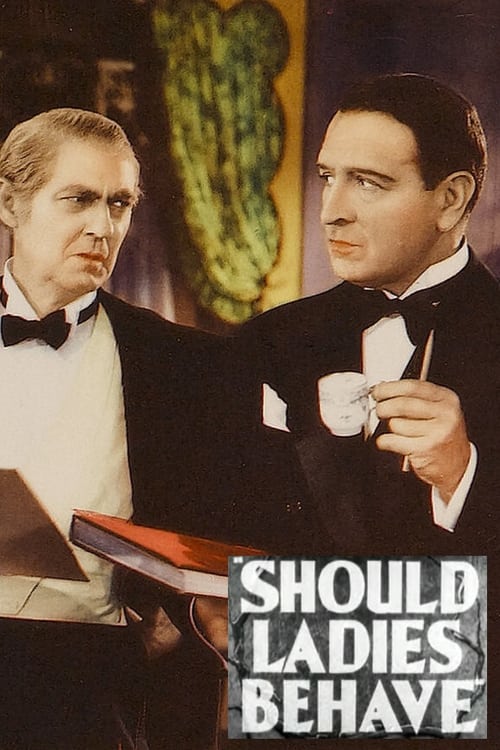
Should Ladies Behave
1933
No user ratings available yet
Representation score: 1.5 out of 10
Representation Score
Minimal
1930
PassedDirector
Sidney Franklin
Runtime
76 minutes
Average Rating
No ratings yetNew Showbiz Analysis
The film is a traditional social comedy that prioritizes class friction and romantic entanglements over progressive representation. While the female lead drives the plot, the narrative remains tied to the rigid social hierarchies of the 1930s. The production reflects the demographic constraints of its era, focusing on a homogeneous British aristocracy, which results in a lack of racial and LGBTQ+ diversity. Ultimately, the work functions as a character-driven period piece that explores the tension between individual reputation and institutional nobility without offering a systemic critique of gender or class.
Category Breakdown
The film does not include any queer narratives or non-straight identities. It follows the era's standard storytelling focused on straight relationships.
A female actress serves as the central protagonist and catalyst for conflict. While she plays a significant role in driving the story, her power is framed through the lens of social scandal.
The setting focuses on a reserved British noble family. This implies a homogeneous Anglo-Saxon cast with no indication of racial diversity.
The story explores the friction between celebrity and aristocratic tradition. It functions as a comedic look at social etiquette rather than a cultural critique.
There is no information available regarding the portrayal of characters with physical or neurodivergent disabilities.
Present on Screen
Limited or Absent
Official Synopsis
A famous British actress gets involved with two members of a reserved British noble family, whose plan to get rid of her backfires.
1933
1936
1931
1933
1932
1939
1933

1931
No reviews yet. Be the first to share your thoughts on this movie!
Use the rating form above to leave a star rating and optional review.