
Eddie and the Cruisers II: Eddie Lives!
1989
No user ratings available yet
Representation score: 3.2 out of 10
Representation Score
Good
1968
RDirector
Richard Rush
Runtime
101 minutes
Average Rating
No ratings yetNew Showbiz Analysis
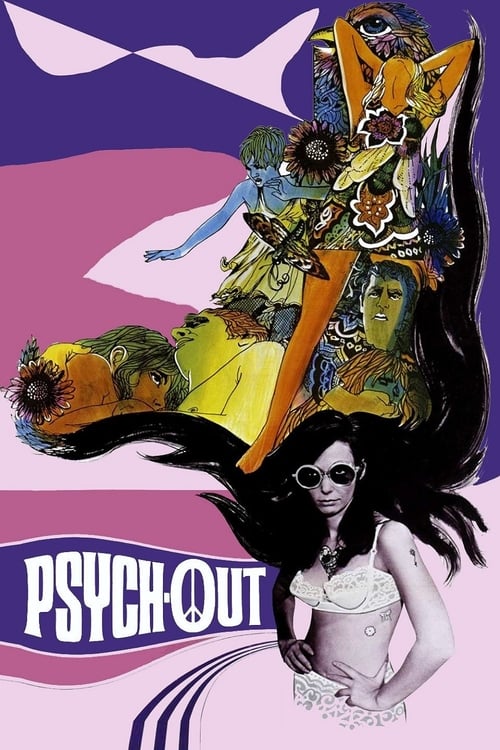
Psych-Out captures a specific moment of cultural transition, mirroring the fragmentation of 1960s social norms. It succeeds in portraying non-traditional social hierarchies and the deconstruction of authority through its communal setting. However, the film is demographically narrow. The cast is largely homogeneous, reflecting the specific racial demographics of the era's psychedelic scene while failing to include diverse racial perspectives. Ultimately, the film's strength lies in its thematic exploration of subjective truth and anti-establishment living, even as it remains limited in its breadth of identity representation.
Category Breakdown
The film captures the fluid social dynamics of the Haight-Ashbury counterculture through scenes of casual intimacy. However, it lacks explicit LGBTQ+ identities, focusing instead on a broader era of sexual liberation.
Jenny serves as a proactive protagonist navigating a complex urban landscape. The communal living environment further disrupts traditional patriarchal hierarchies and domestic roles common in 1960s cinema.
The narrative acts as a period-specific time capsule of a predominantly white, affluent counterculture. It lacks intentional racial blending or characters of color with significant roles.
The film portrays a lifestyle rooted in the rejection of traditional Western institutions and capitalist productivity. It prioritizes sensory exploration and moral relativism over religious or legal adherence.
Jenny is depicted as a deaf runaway, integrating her sensory experience into her character arc. This provides her with a significant role in driving the story.
Present on Screen
Limited or Absent
Official Synopsis
Jenny, a deaf runaway who has just arrived in San Francisco's Haight-Ashbury district to find her long-lost brother, a mysterious bearded sculptor known around town as The Seeker. She falls in with a psychedelic band, Mumblin' Jim, whose members include Stoney, Ben, and Elwood. They hide her from the fuzz in their crash pad, a Victorian house crowded with love beads and necking couples. Mumblin' Jim's truth-seeking friend Dave considers the band's pursuit of success "playing games," but he agrees to help Jennie anyway.
1989
1968

1968
1977
1966
1971
1968
1970
No reviews yet. Be the first to share your thoughts on this movie!
Use the rating form above to leave a star rating and optional review.