
Miss Blue Jeans
2012
No user ratings available yet
Representation score: 4.7 out of 10
Representation Score
Good
1968
RDirector
Barry Shear
Runtime
94 minutes
Average Rating
No ratings yetNew Showbiz Analysis
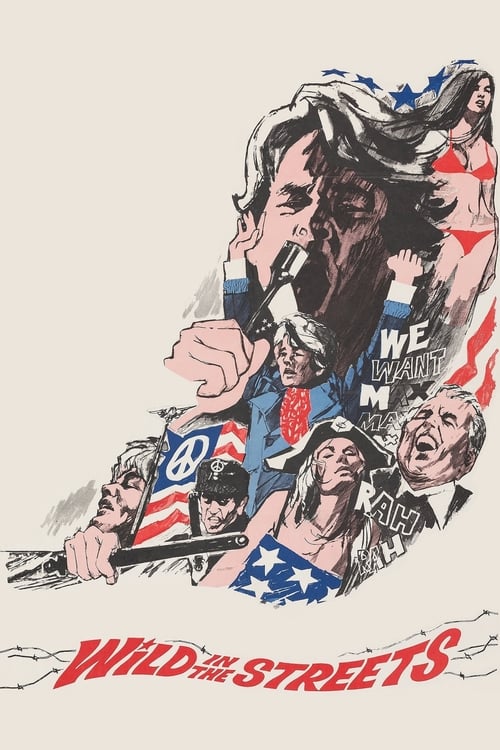
Wild in the Streets is a satirical look at generational conflict. It effectively challenges established social hierarchies and Western institutional stability through its portrayal of youth-driven chaos. However, the film lacks meaningful representation for many underrepresented groups. The cast remains homogeneous, and the narrative does not engage with LGBTQ+ identities or disability. The film's strength lies in its critique of social order rather than broad demographic inclusion.
Category Breakdown
The film does not depict any non-straight relationships or identities. While there is a focus on youthful behavior, the narrative does not address queer identities or sexual orientation.
The film challenges traditional gender roles by showing young men and women driving chaotic social changes. It subverts expectations of submissive femininity and disciplined masculinity.
The cast is primarily white and reflects a homogeneous middle-class demographic. There is no significant evidence of diverse ethnic perspectives or multi-layered casting.
The narrative focuses on rejecting Western institutions like family and religion. It portrays the rejection of traditional authority and morality as a form of radical liberation.
There is no depiction of characters with visible or invisible disabilities. The film does not engage with neurodivergence or physical disability.
Present on Screen
Limited or Absent
Official Synopsis
Musician Max Frost lends his backing to a Senate candidate who wants to give 18-year-olds the right to vote, but he takes things a step further than expected. Inspired by their hero's words, Max's fans pressure their leaders into extending the vote to citizens as young as 15. Max and his followers capitalize on their might by bringing new issues to the fore, but, drunk on power, they soon take generational warfare to terrible extremes.
2012

1968
1985

1977

1968

1979

1968

1974
No reviews yet. Be the first to share your thoughts on this movie!
Use the rating form above to leave a star rating and optional review.