Story of the Bass Cello
1949
No user ratings available yet
Representation score: 5.7 out of 10
Representation Score
Minimal
1959
Director
Włodzimierz Haupe, Halina Bielińska
Runtime
8 minutes
Average Rating
No ratings yetNew Showbiz Analysis
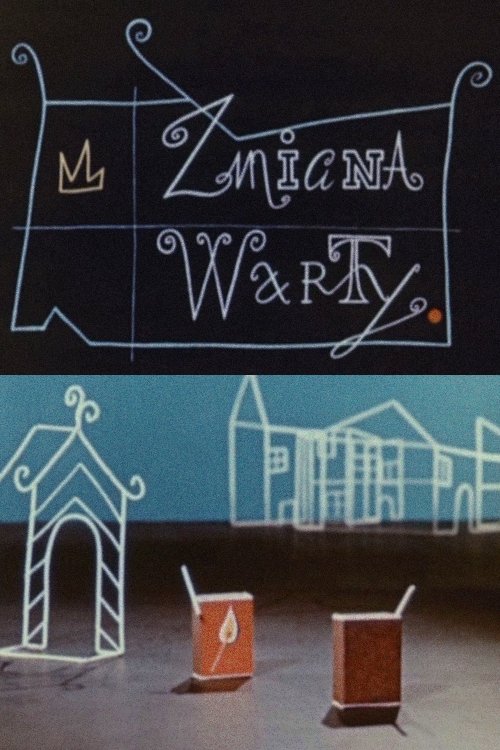
The film is a highly abstract stop-motion short that utilizes matchboxes as its primary subjects. Since the narrative is centered on inanimate objects, it bypasses traditional vectors of identity politics, such as gender, race, and sexual orientation. While the work serves as a significant artifact of mid-century Polish animation, its focus on mechanical and communal movement offers little room for social representation. The film’s identity is rooted in its historical and stylistic context rather than character-driven diversity. Ultimately, the lack of human characters means the film does not engage with the social or multi-layered frameworks typically used to measure representation.
Category Breakdown
The film focuses on matchboxes rather than human characters. There are no romantic arcs or explorations of gender identity present in the narrative.
Since the subjects are inanimate matchboxes, the film lacks traditional gendered dynamics. No gendered social hierarchies or roles are depicted.
The stop-motion medium and use of matchboxes preclude racial or ethnic casting. The film does not explore different aspects of identity related to race or ethnicity.
Produced in 1959 Poland, the film reflects the Eastern Bloc's emphasis on collective movement. It offers a communal narrative style typical of its era.
The animation does not utilize physical or neurodivergent traits. The narrative is centered on object-oriented movement rather than human character development.
Present on Screen
Limited or Absent
Official Synopsis
A stop-motion animation short dealing with matchboxes.
1949
1955
1949

1981
1986

1914

1974

1933
No reviews yet. Be the first to share your thoughts on this movie!
Use the rating form above to leave a star rating and optional review.