The Grasshopper and the Ant
1913
No user ratings available yet
Representation score: 0.1 out of 10

Representation Score
Minimal
1933
Director
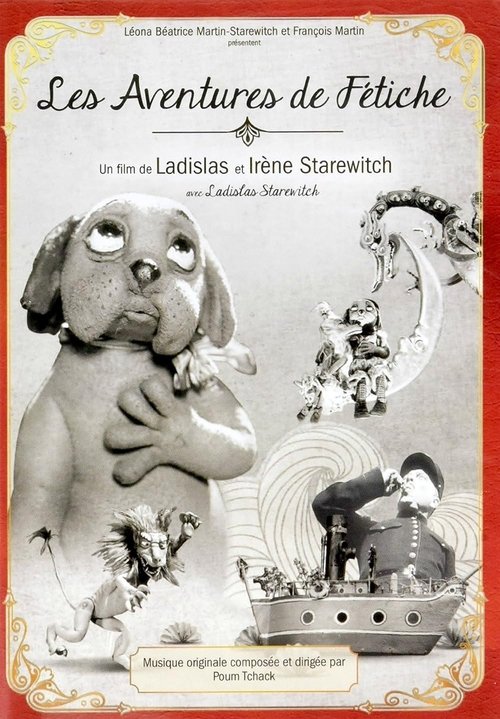
Władysław Starewicz, Irene Starewicz
Runtime
35 minutes
Average Rating
No ratings yetNew Showbiz Analysis
The Mascot operates as a traditional fable, using stop-motion animation to explore empathy and socioeconomic struggle. While the use of a non-human protagonist allows for a unique emotional landscape, the narrative remains rooted in the social constraints of its time. The film's primary strength lies in its social commentary on class and the impact of poverty on a family unit. However, it lacks the complexity of characters who reflect more than one aspect of diversity and the disruption of social hierarchies found in more contemporary works. Ultimately, the film prioritizes an individual moral journey over systemic identity politics, resulting in a narrative that is emotionally resonant but socially narrow.
Category Breakdown
The film does not include any characters with LGBTQ+ identities or those who identify outside the traditional gender binary. The story revolves around a non-human character facing material challenges.
A mother figure plays a central role in the opening scenes, but she is defined by traditional domestic duties and economic struggles. The film upholds conventional gender roles without challenging them.
The setting reflects a localized European tradition with no indication of a racially or ethnically diverse cast. The story centers on a universalized struggle of poverty without highlighting racial or ethnic diversity.
The film subtly critiques economic structures and class through a child's desire for an orange, symbolizing systemic deprivation. It highlights the impact of scarcity on individuals and families.
There are no characters with visible or invisible disabilities in the film. The focus remains on the stuffed dog's adventures and the family's economic situation.
Present on Screen
Limited or Absent
Official Synopsis
A toy stuffed dog has just been sewn together when it hears a young child ask for an orange. The child's mother explains that they have no money, and so she cannot buy any oranges. The dog is then packed up along with a box full of other toys to be sold, but it soon winds up in the street. The dog picks up an orange from a curb side stand, and hopes to take it home to the child. But that night, before the dog can get back to the child's home, it must face a series of strange and frightening adventures.
1913
1935
1955
1936

1923
1922
1913

1955
No reviews yet. Be the first to share your thoughts on this movie!
Use the rating form above to leave a star rating and optional review.