
The Devil's Mill
1949
No user ratings available yet
Representation score: 3.7 out of 10
Representation Score
Fair
1949
Director
Jiří Trnka
Runtime
13 minutes
Average Rating
No ratings yetNew Showbiz Analysis
Jiří Trnka’s adaptation of Chekhov’s prose uses the whimsical medium of stop-motion to explore the tension between personal freedom and societal norms. The story focuses on the interaction between a royal figure and a musician, examining social stratification. The film successfully disrupts traditional hierarchies through its characters’ spontaneous actions. By emphasizing individual experiences over formal institutions, it critiques the rigid class structures of the time. However, the work remains constrained by its historical context and source material. It lacks explicit diversity in racial or LGBTQ+ representation, reflecting the homogeneous European setting typical of mid-century adaptations.
Category Breakdown
The film does not explicitly confirm any LGBTQ+ identities. While it explores unconventional social bonds through Chekhovian themes, there is no clear representation of queer characters.
Princess Bibulova takes an active role by initiating her own fishing trip, which challenges traditional passive female stereotypes.
Given its 1956 production and Russian roots, the film likely features a mostly European cast. However, the puppet animation style abstracts away from strict racial types.
The story critiques rigid class systems by highlighting characters who defy social norms. Focusing on a princess and a musician suggests a nuanced look at social hierarchy.
The film does not include any characters with physical or neurodivergent disabilities.
Present on Screen
Limited or Absent
Official Synopsis
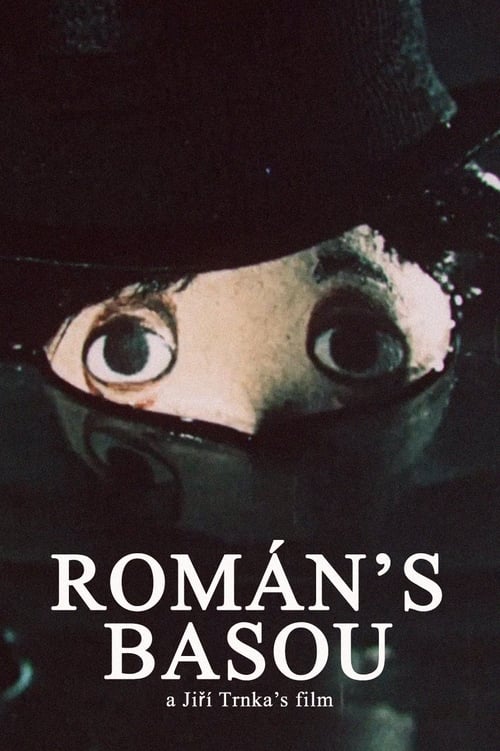
"Román s basou" is another short by master a stop-motion puppet-animator Jiri Trnka. The story is based on Anton Chekhovs story "Roman s Kontrabasom". Princess Bibulova decides to go fishing along the river while not far away a bass player leaves his two companions to go for a swim.
1949
1959
1955
1949
1959
1986
1959
1951
No reviews yet. Be the first to share your thoughts on this movie!
Use the rating form above to leave a star rating and optional review.