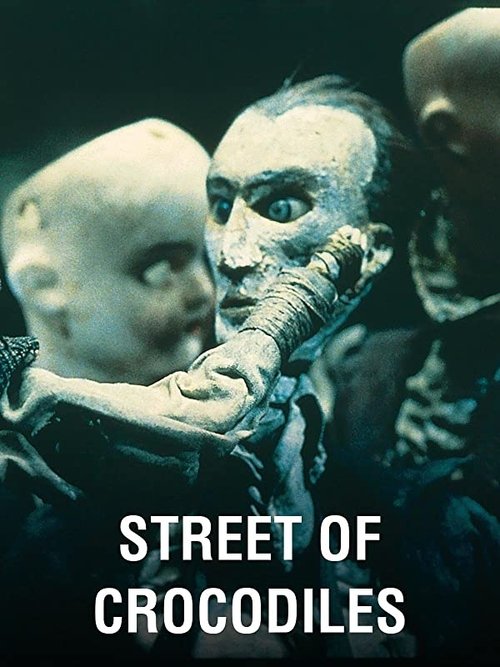
Street of Crocodiles
1986
No user ratings available yet
Representation score: 6.2 out of 10

Representation Score
Fair
1981
Director
Jean-Pierre Jeunet
Runtime
10 minutes
Average Rating
No ratings yetNew Showbiz Analysis
The film is a stylized stop-motion short that prioritizes atmosphere and surrealism over explicit character-driven narratives. Because it relies on puppets and non-human forms, it inherently departs from the realism of traditional cinema, offering a unique visual language. While the work lacks documented evidence of specific multi-layered identities or diverse casting, its creative lineage suggests a tendency to disrupt conventional social structures. The medium itself provides a platform for exploring non-normative physical and social perspectives. Ultimately, the film's diversity is found in its aesthetic subversion rather than in explicit, identifiable character representation.
Category Breakdown
The film does not provide confirmed evidence of specific LGBTQ+ identities or narratives. While the director's surrealist style often allows for non-traditional representations, there is no explicit depiction of LGBTQ+ characters.
The use of puppet-based stop-motion animation offers a framework for challenging traditional gender roles. However, specific character details are not available to confirm actual depictions.
The film operates in a stylized, non-geographic world where traditional racial hierarchies may be replaced by aesthetic differences. There is no confirmed evidence of diverse casting.
Jeunet employs dream-like logic that disrupts conventional Western storytelling. The fantasy setting prioritizes atmosphere and surrealism over traditional institutional values like religion or patriotism.
Stop-motion animation often uses non-standard physical forms that avoid human anatomical perfection. This can align with neurodivergent or non-normative visual storytelling styles.
Present on Screen
Limited or Absent
Official Synopsis
An early stop motion animated short film from Jean-Pierre Jeunet. With puppets by Marc Caro.
1986
1988
1955
1985
1991
1949
2003
1959
No reviews yet. Be the first to share your thoughts on this movie!
Use the rating form above to leave a star rating and optional review.