Angels of Sin
1943
No user ratings available yet
Diversity score: 5.1 out of 10
2000
Director
Jean-Pierre Denis
Runtime
94 minutes
Average Rating
No ratings yetSynopsis
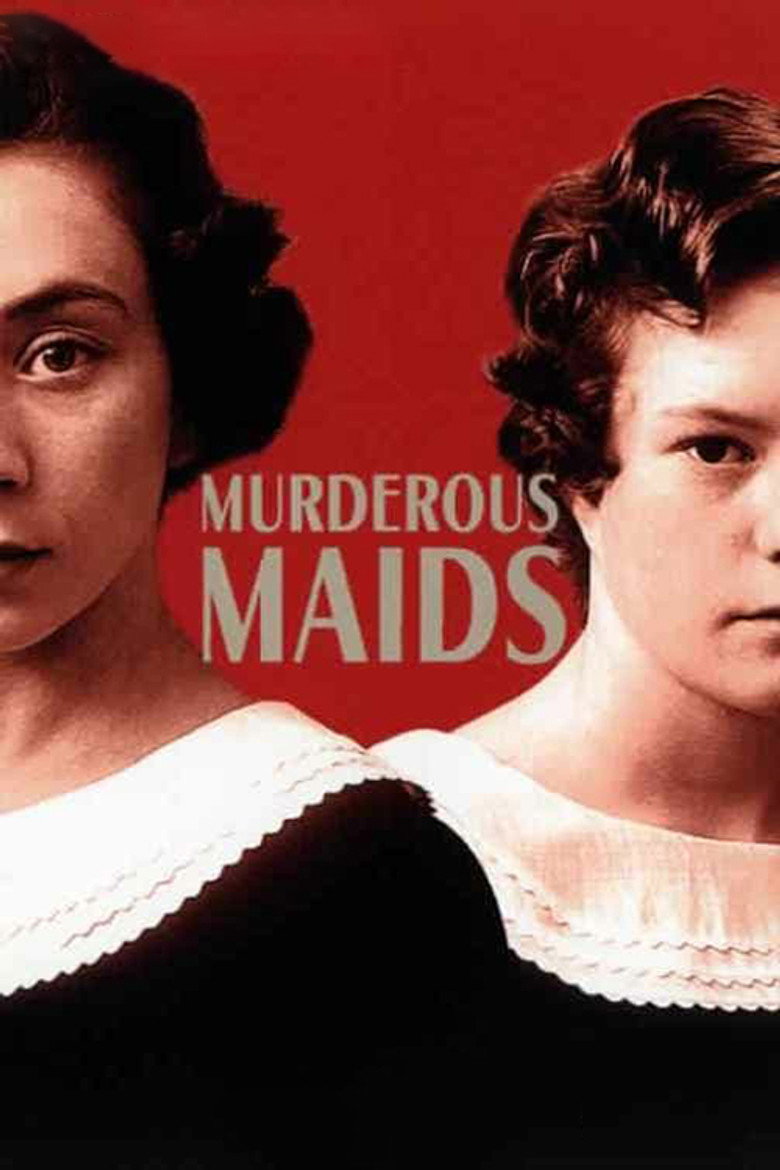
Based on the true story of two chambermaids (the Papin sisters) of 1930s France who murdered their employer and her daughter. Christine Papin and Léa Papin are sisters with an already troubled past. Madame Lancelin takes them into her home and employs the girls as maids. Christine sees in Madame Lancelin an ideal mother figure — in spite of her severity. But their wretched background — an indifferent mother and drunken abusive father — casts a shadow over the girls and over time their ill-fated situation darkens. The sisters withdraw into themselves and finish by committing the worst — killing Madame Lancelin and her daughter after six years of service, on the 2 February 1933 in Le Mans.
Overall Score
Fair
Category Breakdown
LGBTQ+ Representation
The film explores intense psychological dynamics between female characters. While explicit queer identities are not confirmed, the enclosed setting allows for subtextual explorations of non-heteronormative intimacy.
Gender Representation
The narrative subverts traditional hierarchies by centering female agency in a violent plot. It shifts power from the employer to the laborers, challenging expectations of feminine submission.
Racial & Ethnic Diversity
The cast likely reflects the demographic homogeneity of 1930s France. The film focuses on socio-economic status rather than ethnic diversity to establish its sense of 'the other.'
Religious & Cultural Diversity
The story critiques rigid Western class structures and the bourgeois family unit. It portrays the domestic hierarchy as an oppressive system that triggers violent rebellion.
Disability Representation
There is no documented evidence regarding the portrayal of physical or neurodivergent disabilities in this work.
Strengths
Areas for Improvement
AI Analysis
Murderous Maids is a period drama that prioritizes class-based agency and the subversion of gender roles. By centering the perspective of female domestic workers, the film disrupts traditional tropes of the 1930s era. The narrative functions as a systemic critique of Western social structures. It uses a lethal disruption of the status quo to examine the friction between social strata and domestic servitude. While the film excels in gendered agency and cultural critique, it lacks explicit markers for racial or LGBTQ+ diversity. The focus remains heavily on the socio-economic tensions of the period.
1943

1973

1982

2010
1934

2009

2002
2015
1975
1962

2017
1967
No reviews yet. Be the first to share your thoughts on this movie!
Use the rating form above to leave a star rating and optional review.