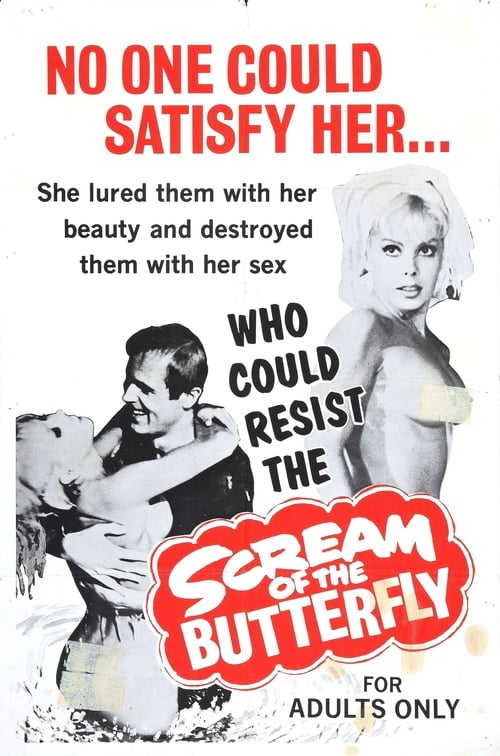
Scream of the Butterfly
1965
No user ratings available yet
Representation score: 3.4 out of 10
Representation Score
Limited
1956
Director
Alfredo B. Crevenna
Runtime
90 minutes
Average Rating
No ratings yetNew Showbiz Analysis
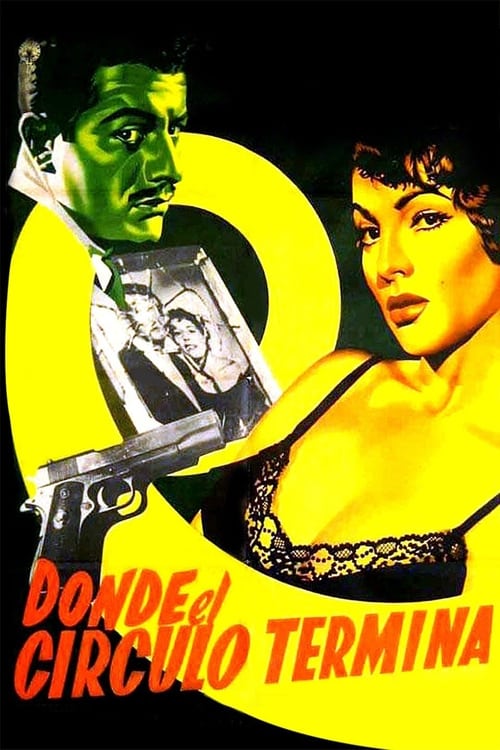
Where the Circle Ends operates as a standard mid-century crime thriller. While the central female character provides some control by initiating the plot's violence, the story remains deeply rooted in traditional domestic dysfunction and gendered melodrama clichés. The film lacks multi-layered complexity, focusing instead on a web of individual criminality and infidelity. It functions within the established social frameworks of its era rather than attempting to challenge them or offer a systemic critique of social hierarchies. Ultimately, the film is a genre-driven piece that prioritizes tension and fatalism over progressive representation or cultural disruption.
Category Breakdown
The film focuses on heterosexual infidelity and domestic crime. There are no queer narratives or non-cisgender identities present.
A female protagonist drives the plot through a murder, providing some control. However, the story relies heavily on traditional melodrama clichés like jealousy and infidelity.
As a Mexican production, the film features a non-Anglo cast. It reflects the demographic homogeneity typical of mid-century Mexican cinema.
The narrative uses a fatalistic crime structure rather than a moralistic one. It lacks an explicit critique of Western institutions or systemic family structures.
There is no evidence of characters with visible or invisible disabilities in the narrative.
Present on Screen
Limited or Absent
Official Synopsis
A woman murders her lover. Her husband and his mistress are also having murder-shaped thoughts, and their three counterplots all get tangled together. Everybody loses.
1965
1950

1960
1964
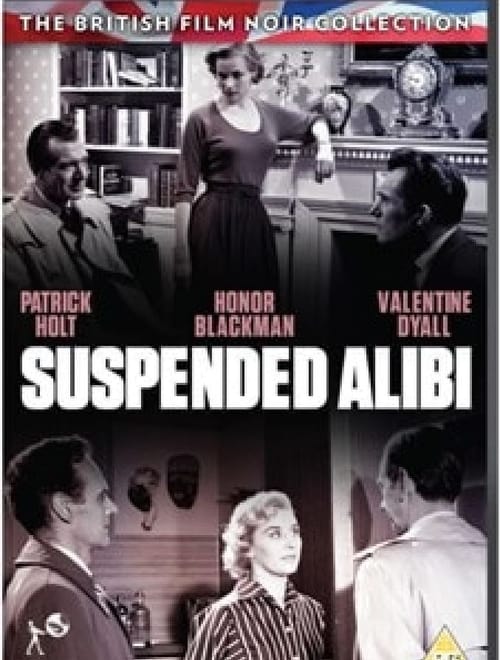
1957

1958
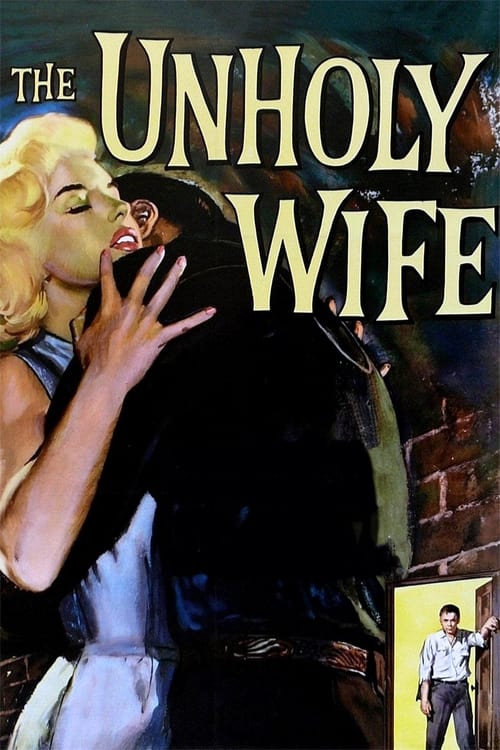
1957
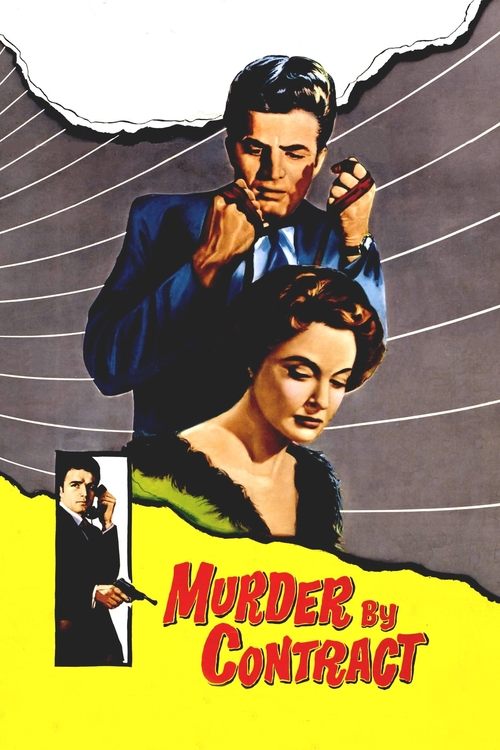
1958
No reviews yet. Be the first to share your thoughts on this movie!
Use the rating form above to leave a star rating and optional review.