
Mail Dog
1947
No user ratings available yet
Diversity score: 1.5 out of 10
1945
NRDirector
Charles August Nichols
Runtime
7 minutes
Average Rating
No ratings yetSynopsis
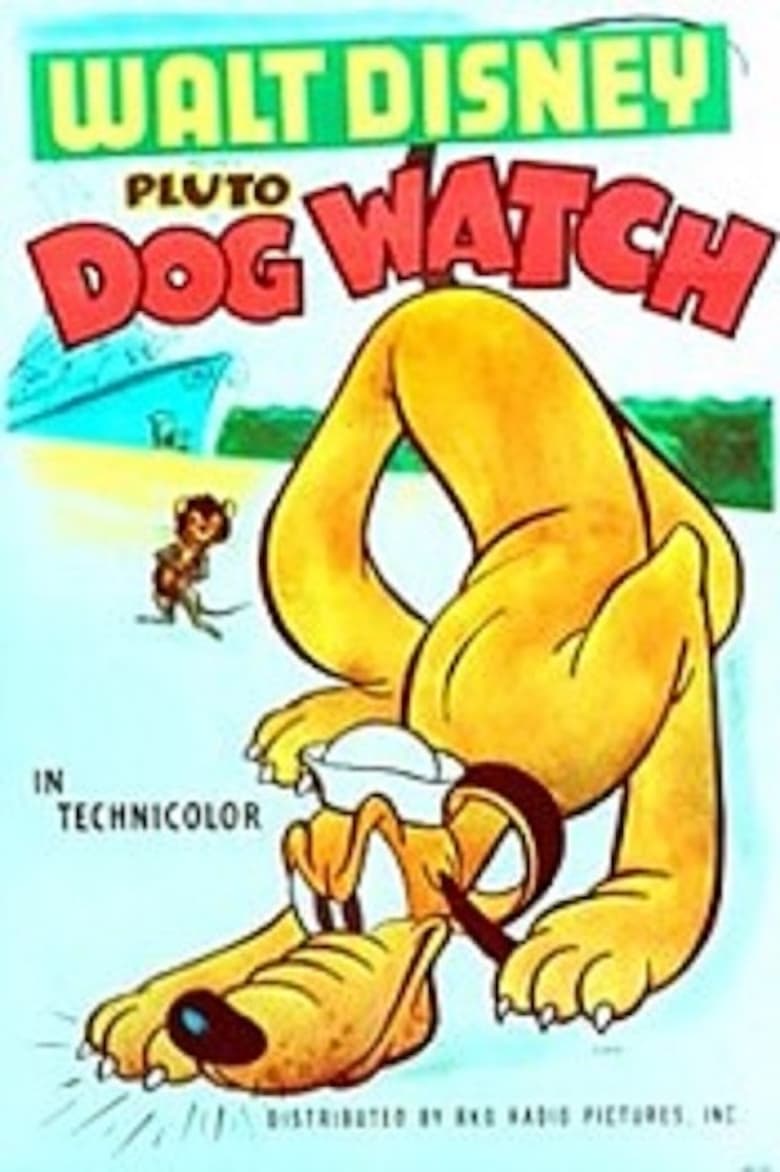
As a ship's crew is on shore leave, seadog Pluto is left to stand watch. He sees a threatening shape, but it turns out to be a cache of bones. He grabs one and settles in contentedly. A rat sneaks on, and Pluto springs into action. The rat toys with him, until it finds the officer's mess. He bribes Pluto, until he hears an officer approaching. The rat hides, and Pluto gets thrown in the brig, while the rat sneaks off with his sandwich. But Pluto gets even.
Overall Score
Minimal
Category Breakdown
LGBTQ+ Representation
The film focuses entirely on a canine protagonist and a rodent antagonist. There are no depictions of queer identities or non-cisnormative gender expressions.
Gender Representation
The cast consists of anthropomorphic animals, which obscures human gender hierarchies. However, the story lacks any female presence or nuanced gender dynamics.
Racial & Ethnic Diversity
The maritime setting features a homogeneous cast of animals. The film avoids racial or ethnic diversity in favor of universalized, non-human archetypes.
Religious & Cultural Diversity
The narrative reinforces traditional naval hierarchies and institutional authority. It centers on duty and punishment within a rigid military structure.
Disability Representation
The characters operate within standard physical capacities for slapstick animation. There are no depictions of physical, sensory, or neurodivergent disabilities.
Strengths
Areas for Improvement
AI Analysis
Dog Watch is a mid-century animated short that prioritizes slapstick comedy and traditional narrative structures over social commentary. The plot follows Pluto's struggle against a trickster rat within a naval setting, focusing on physical conflict and institutional obedience. The film lacks intersectional representation, relying instead on species-centric archetypes. It adheres to the era's tendency to avoid complex demographic intersections, focusing on a singular, non-human conflict. Ultimately, the work functions as a standard piece of studio-era animation, upholding established hierarchies and traditional power struggles without deconstructing social roles.
1947
1951
1950
1950
1950
1947
1946
1949
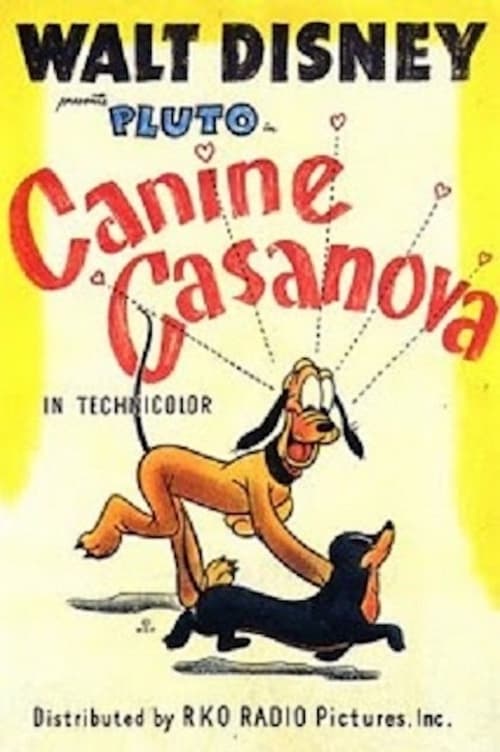
1945
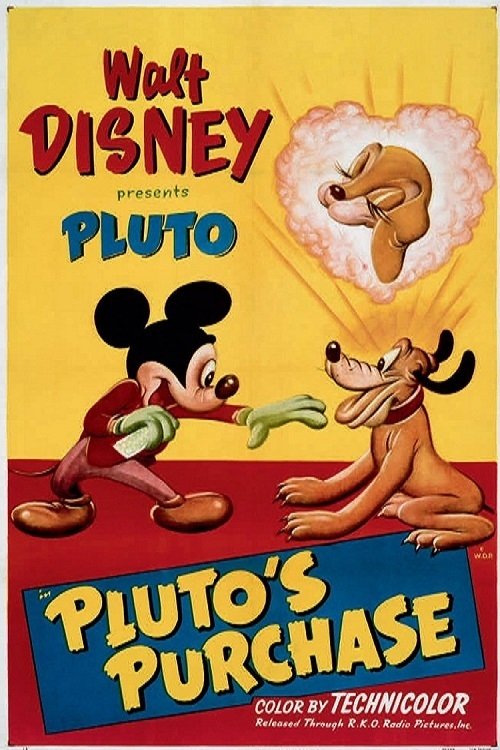
1948
1946
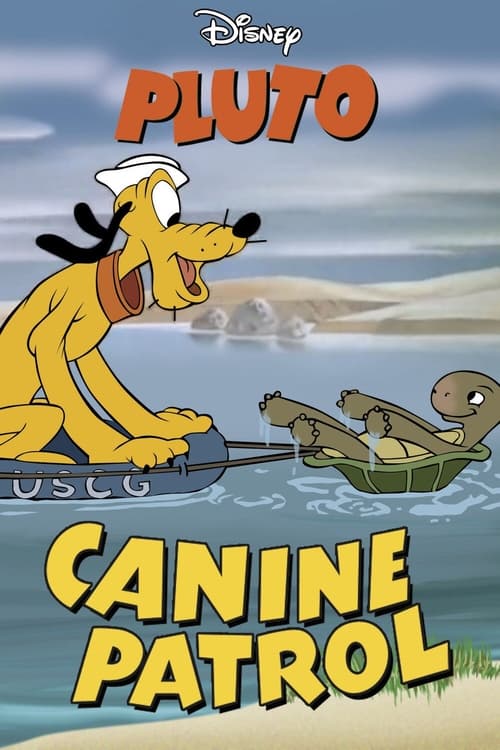
1945
No reviews yet. Be the first to share your thoughts on this movie!
Use the rating form above to leave a star rating and optional review.