
Louisiana Story
1948
No user ratings available yet
Diversity score: 3.4 out of 10
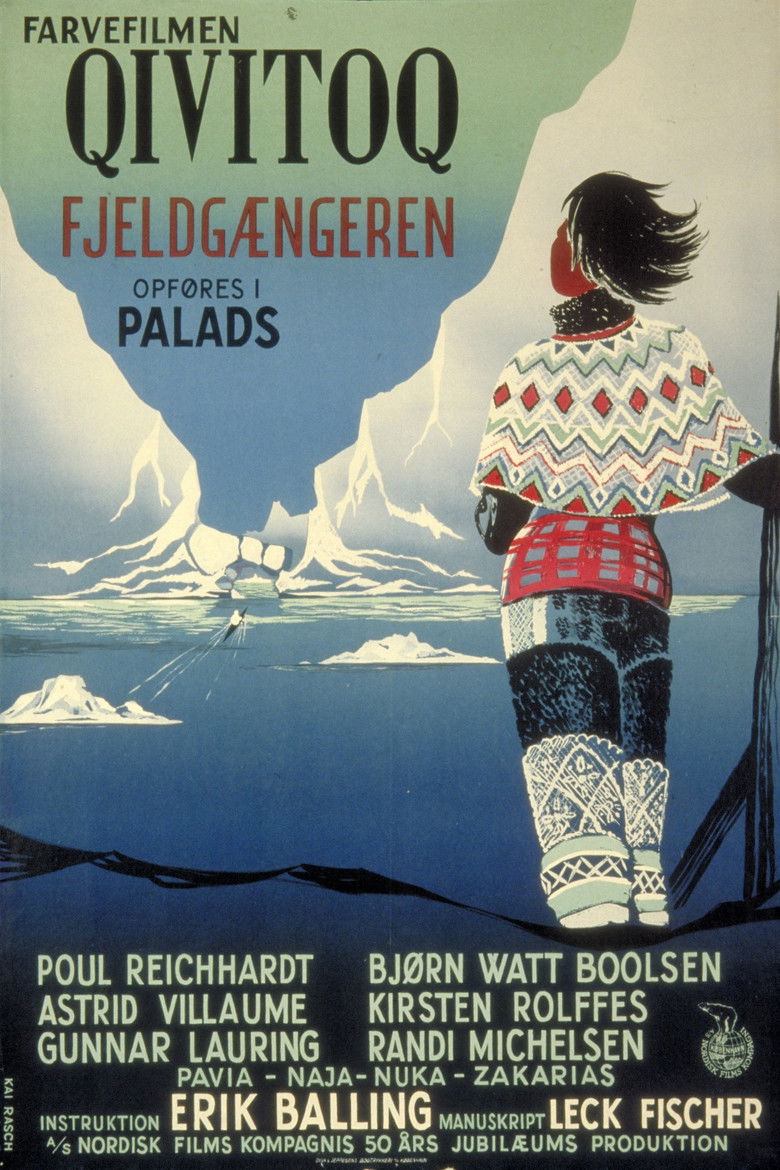
1956
Director
Erik Balling
Runtime
119 minutes
Average Rating
No ratings yetSynopsis
A young teacher, Eva Nygaard, arrives in Greenland from Denmark to surprise her fiancé, the Doctor Erik Halsøe, but is crushed to find he has not waited for her and he is about to be married to his assisting nurse. Eva travels to a small fishing village to await the next ship back to Denmark. There she enters into a tense and often confrontational relationship with Jens, a quiet moody Dane who manages a trading company outpost. Meanwhile, Jens is trying to persuade a Greenlander named Pavia to become a company fisherman, despite Pavia's fear of alienating his fellow villagers and upsetting the spirit, Qivitoq.
Overall Score
Limited
Category Breakdown
LGBTQ+ Representation
The film adheres to strict mid-century heteronormative structures. The plot focuses on traditional romantic betrayals and impending marriages, offering no presence of non-cisnormative identities.
Gender Representation
Eva Nygaard serves as the emotional catalyst, yet her agency is defined by her reactions to male-driven circumstances. Power dynamics remain centered on male figures like the Doctor and Jens.
Racial & Ethnic Diversity
The story features an intersection of Danish settlers and the indigenous Greenlandic population. While Inuit characters are present, the narrative lens remains primarily filtered through Danish experiences.
Religious & Cultural Diversity
The film explores friction between Western capitalism and indigenous spirituality through the legend of Qivitoq. However, it treats this clash as a natural setting byproduct rather than a critique.
Disability Representation
There are no prominent depictions of visible or invisible disabilities that drive the narrative or serve as central character traits.
Strengths
Areas for Improvement
AI Analysis
Qivitoq is a mid-century period piece that functions within the conventional social hierarchies of its era. It finds its strength in depicting the cultural friction between European colonial interests and indigenous Greenlandic lifestyles. However, the film maintains a colonialist perspective by centering the Danish characters' experiences. The narrative relies on traditional romantic and adventure tropes, which limits its ability to challenge systemic power dynamics or offer a decolonized view of the setting. Ultimately, while the film avoids total ethnic erasure, it remains tethered to 1950s norms regarding gender and social order, prioritizing standard dramatic structures over intersectional agency.
1948
2003
1953
1962

2011
1948

1959
1960
1953

1955
1999
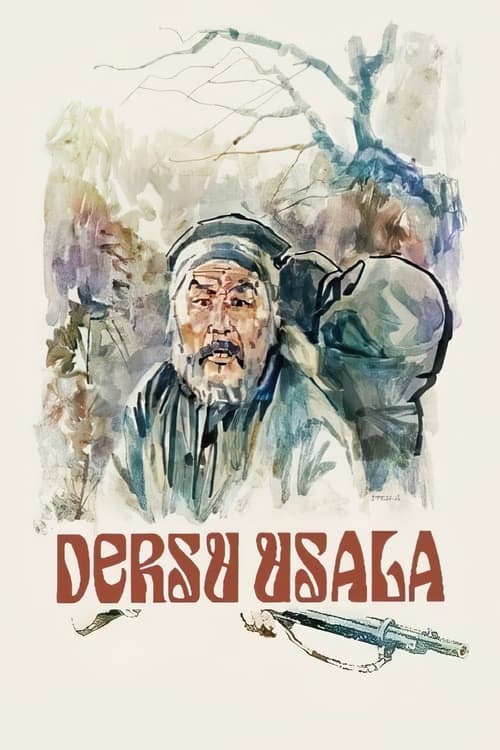
1975
No reviews yet. Be the first to share your thoughts on this movie!
Use the rating form above to leave a star rating and optional review.