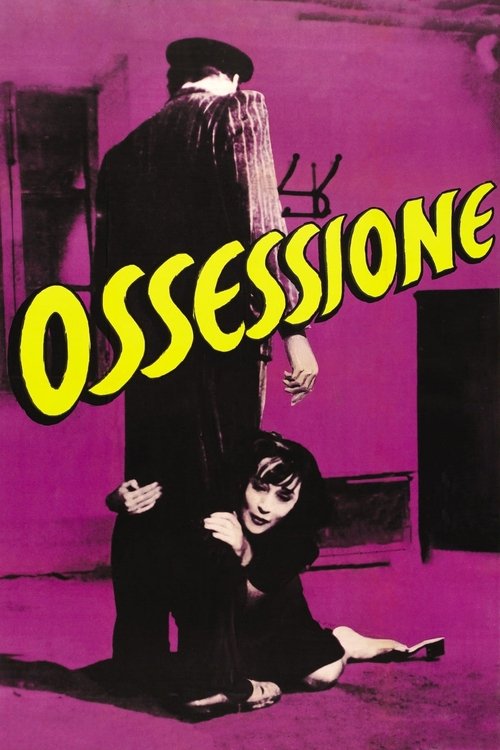
Obsession
1943
No user ratings available yet
Representation score: 4.7 out of 10

Representation Score
Fair
1991
NRDirector
Vicente Aranda
Runtime
103 minutes
Average Rating
No ratings yetNew Showbiz Analysis
Lovers (Amantes) is a film that intentionally subverts traditional narratives to provide a deep socio-political critique. While it lacks racial and LGBTQ+ diversity, it successfully challenges the moral rigidity of its historical context. The film's strength lies in its deconstruction of institutional authority. By focusing on characters who defy state and religious codes, it offers a sophisticated look at the tension between personal freedom and societal duty. Ultimately, the work serves as a critique of the oppressive structures of mid-century Spain, using a passionate affair to highlight the conflict between personal desire and systemic control.
Category Breakdown
The film focuses solely on a heterosexual relationship and does not include any LGBTQ+ characters or non-straight identities.
The female lead plays a significant role in driving the plot based on her own desires. The film challenges traditional gender roles imposed on women during the Francoist era.
Set in mid-century Spain, the film depicts a largely homogeneous white population. Characters are shown within a monolithic Spanish social structure.
The film critiques the intersection of the Catholic Church and the Spanish State. It emphasizes individual passion over the rigid moral codes of traditional Western institutions.
There are no prominent depictions of physical or neurodivergent disabilities that serve as central narrative drivers.
Present on Screen
Limited or Absent
Official Synopsis
A torrid affair between a recently discharged serviceman and an attractive widow leads to murder.
1943

1964

1975

1988

1999
1950

2002

1951
No reviews yet. Be the first to share your thoughts on this movie!
Use the rating form above to leave a star rating and optional review.