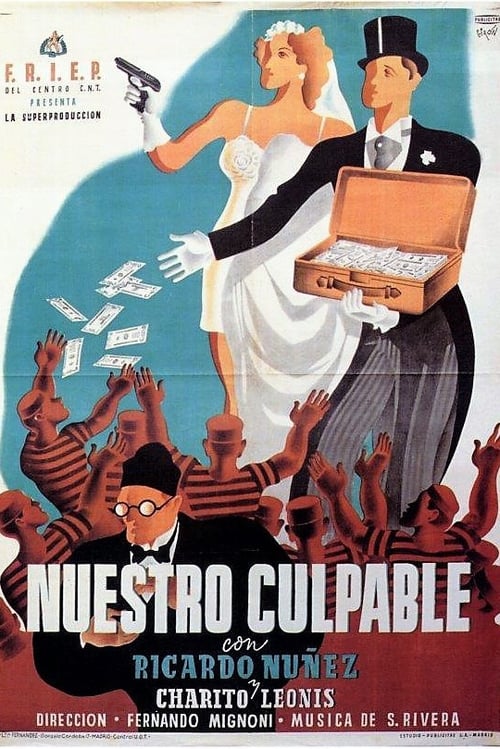
Nuestro culpable
1938
No user ratings available yet
Representation score: 2.3 out of 10
Representation Score
Limited
1935
ApprovedDirector
George Marshall
Runtime
85 minutes
Average Rating
No ratings yetNew Showbiz Analysis
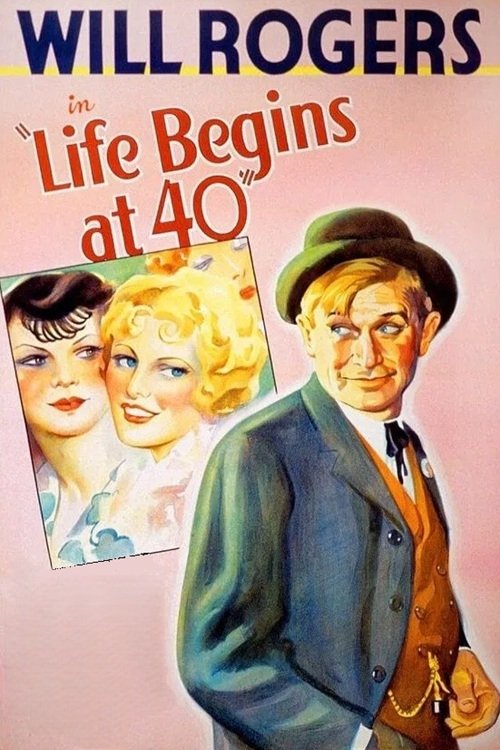
The film opens with the mundane rhythm of a small-town newspaper office, where Will Rogers’ Kenesaw Clark navigates a shoestring budget with the easy confidence of a man who believes his world is fundamentally sound. This setting establishes the film’s argument: that personal integrity, humor, and traditional social bonds are the correct responses to institutional rigidity. When the pompous banker Colonel Abercrombie threatens the paper, Clark does not fight with anger but with wit, hiring hog callers to disrupt a political speech. The chaos that follows—a stampede destroying the speaker’s platform—is played for laughs, positioning the established order as the only sane alternative to bureaucratic pomp. The narrative’s moral center rests squarely with Clark, whose competence and charm allow him to resolve the central conflict regarding the ex-convict Lee Austin. The true thief is revealed to be the Colonel’s son, a fact that reinforces the film’s belief in the reliability of personal character over institutional suspicion. Clark’s decision to hire Austin, despite the banker’s objections, is framed as an act of benevolent wisdom rather than a challenge to the status quo. The camera consistently favors Rogers, lighting him with warmth and framing his interactions as the natural resolution to social friction. The ending restores social order, rewarding Clark’s traditional values and the community’s eventual acceptance of the truth. The film’s internal logic is consistent: the "good" man is the one who maintains harmony through humor and integrity, while those who disrupt the peace are either comic foils or objects of gentle satire. There is no critique of the class structures that allow the banker to wield power, nor of the gender dynamics that position women as prizes or domestic authorities. The last image settles on the restoration of the status quo, affirming that the small-town world, for all its petty conflicts, is a place where the right people are rewarded for their character.
Category Breakdown
Absent. The narrative relies exclusively on heterosexual courtship and marriage; no queer characters, intimacy, or discussion appear on screen.
Traditional. Will Rogers functions as the competent moral center, while Rochelle Hudson serves as the romantic prize and Jane Darwell as the domestic authority. Male incompetence is limited to the comic sidekick, not systemic.
Absent. The cast is entirely white, and the social dynamics are confined to class and age within a homogeneous community without racial conflict or representation.
Traditional. Small-town institutions, personal integrity, and social order are treated as good. The film rewards the restoration of community norms and punishes disruption through gentle satire.
Absent. No disabled characters, impairments, or medical themes are depicted; all bodies are presented as normative and healthy.
Present on Screen
Limited or Absent
Official Synopsis
A small-town newspaper publisher finds himself in opposition to the local banker on the return to town of a lad jailed possibly wrongly for a theft from the bank.
1938
1940
1933
1938
1929
1942
1935
1940
No reviews yet. Be the first to share your thoughts on this movie!
Use the rating form above to leave a star rating and optional review.