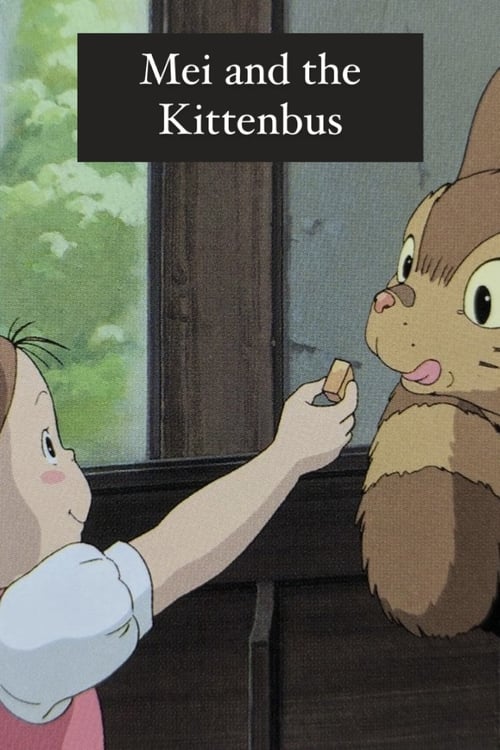
Mei and the Kittenbus
2002
No user ratings available yet
Representation score: 5.3 out of 10
Representation Score
Good
2002
GDirector
Hiroyuki Morita
Runtime
75 minutes
Average Rating
No ratings yetNew Showbiz Analysis
The film excels in its subversion of gendered clichés, centering on a female protagonist who fights to maintain her identity against systemic social pressures. This focus on ability to act provides a strong narrative foundation for character development. However, the work lacks explicit representation regarding LGBTQ+ identities and disabilities. The fantastical setting shifts the focus away from human racial hierarchies, limiting the exploration of traditional ethnic diversity. Ultimately, the film's strength lies in its critique of social conformity rather than its breadth in addressing multiple forms of diversity.
Category Breakdown
The film lacks explicit LGBTQ+ characters or non-straight relationships. The central conflict revolves around a traditional marriage arrangement, but the story focuses on rejecting that arrangement.
Haru's arc challenges traditional female passivity by reclaiming her autonomy. She defies the damsel in distress cliché through psychological resilience and a refusal to conform to gendered nobility expectations.
Traditional human racial hierarchies are bypassed in favor of a fantastical realm. Anthropomorphic characters represent social stratification rather than ethnic identity, avoiding Anglo-centric casting norms.
The Cat Kingdom critiques institutionalized conformity and rigid social structures. The narrative prioritizes the individual's true self over traditional societal roles and systemic pressures.
There are no prominent depictions of physical or neurodivergent disabilities. The plot focuses on the protagonist's psychological journey, leaving little room for exploring visible or invisible disabilities.
Present on Screen
Limited or Absent
Official Synopsis
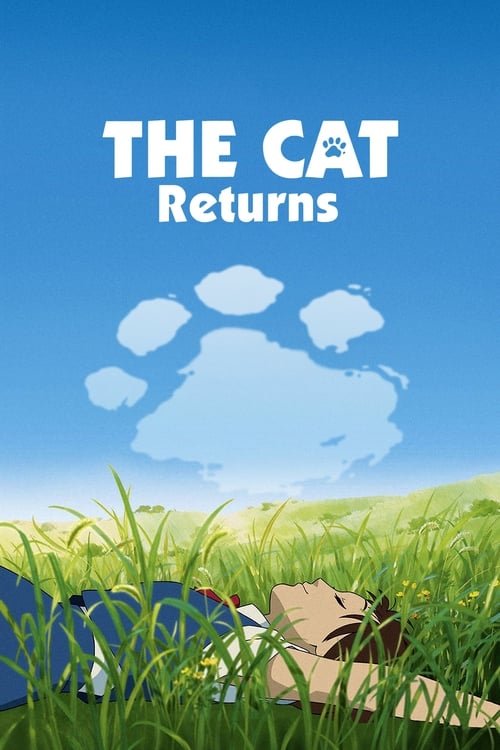
Young Haru rescues a cat from being run over, but soon learns it's no ordinary feline; it happens to be the Prince of the Cats.
2002
2006

2015
2017
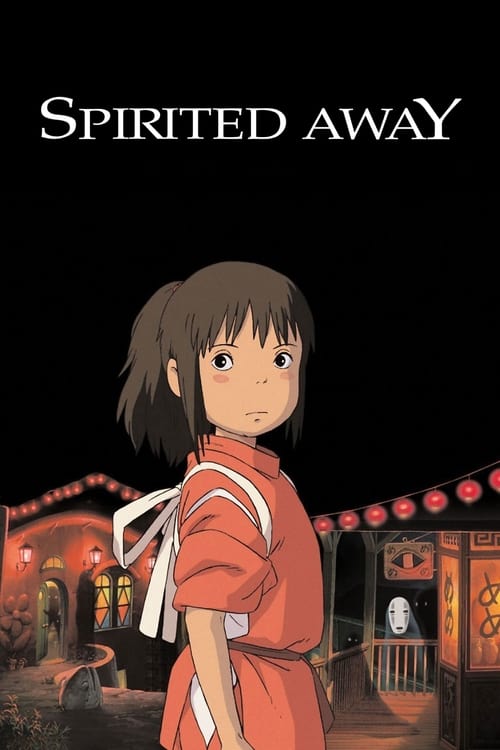
2001
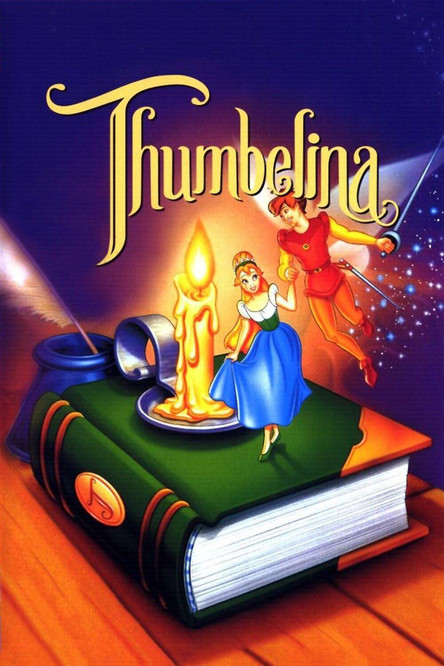
1994
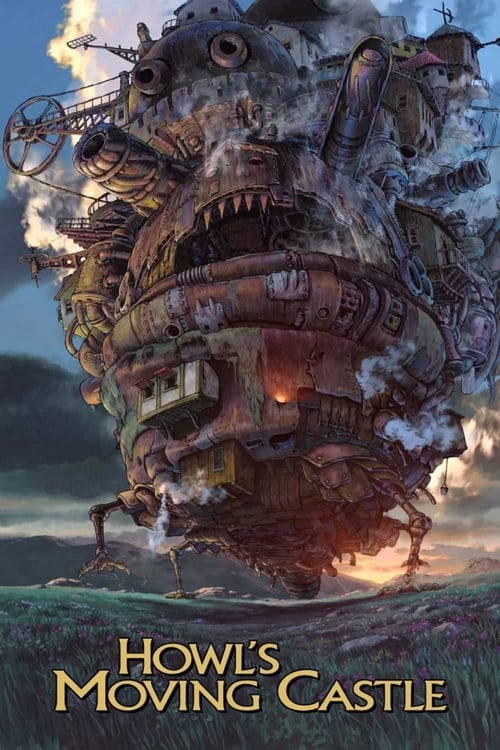
2004
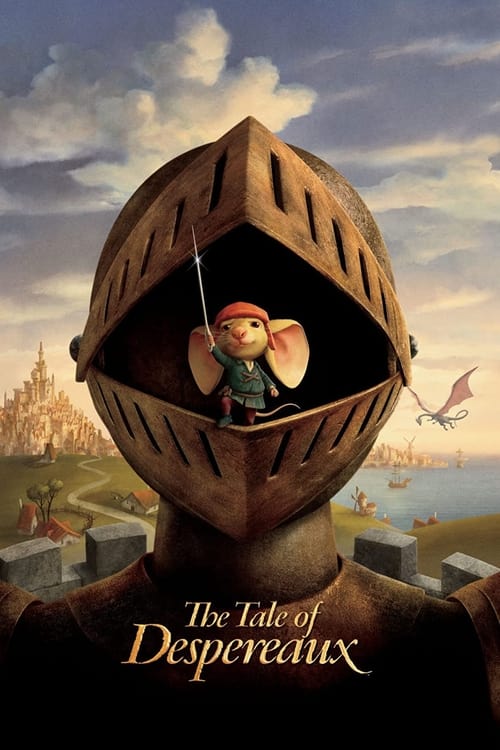
2008
No reviews yet. Be the first to share your thoughts on this movie!
Use the rating form above to leave a star rating and optional review.