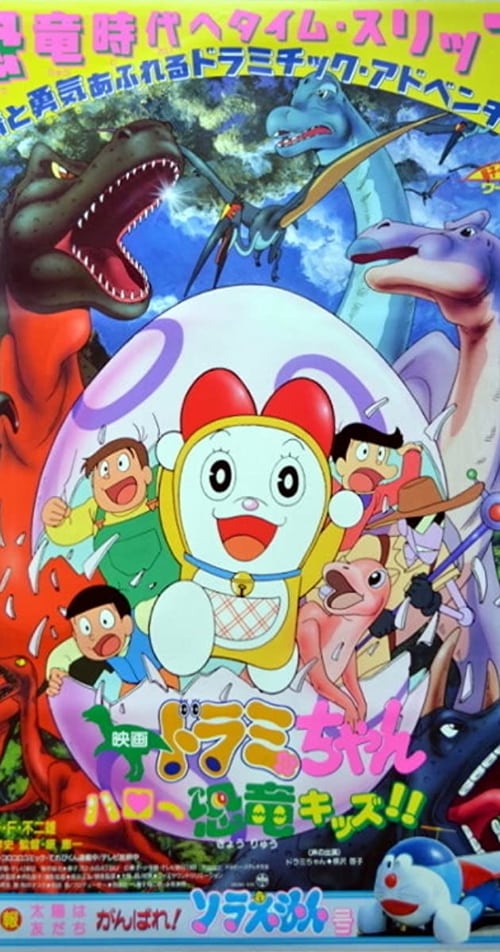
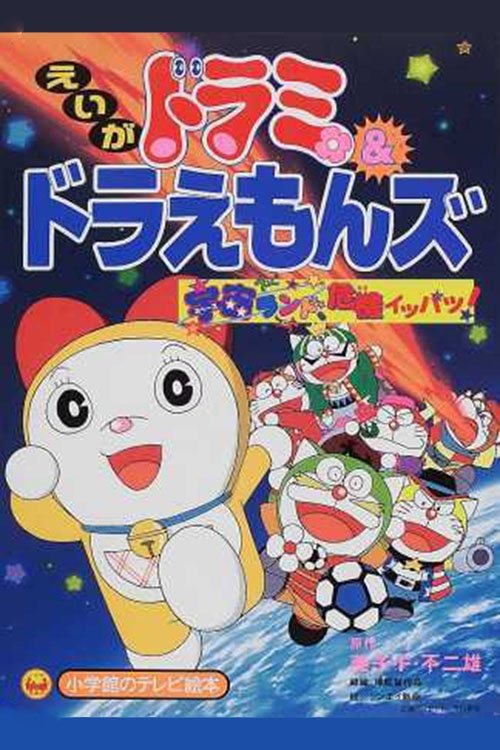
Dorami-chan: Hello, Dynosis Kids
1993
No user ratings available yet
Representation score: 4.9 out of 10
Representation Score
Fair
1994
Director
Toshihiko Ando
Runtime
15 minutes
Average Rating
No ratings yetNew Showbiz Analysis
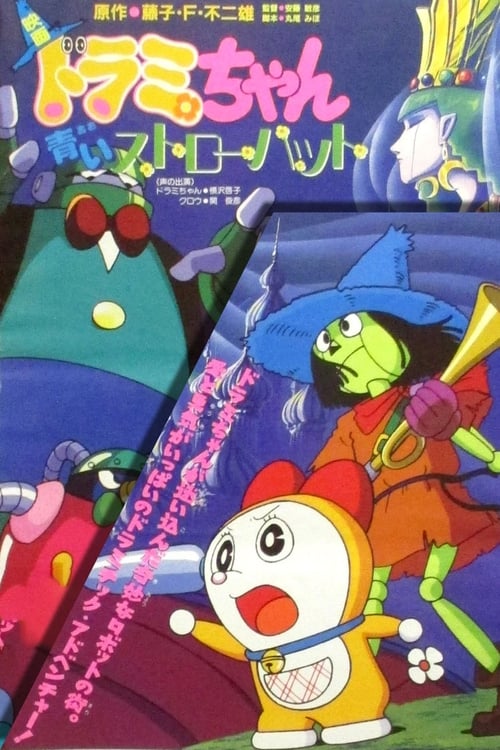
Dorami-chan: A Blue Straw Hat centers a female-coded robotic character in a lead role, providing a notable shift in ability to act and subverting traditional gender hierarchies. However, the film remains largely conventional in its social and cultural architecture, aligning with traditional Japanese cultural frameworks and standard familial structures. It offers little in the way of ethnic or LGBTQ+ diversity. Ultimately, the film is a stable, family-oriented production that prioritizes communal responsibility and traditional values over radical social representation.
Category Breakdown
The film follows traditional family structures typical of the Doraemon universe and does not include explicit LGBTQ+ identities or narratives that challenge the assumption that everyone is straight.
Dorami serves as the main protagonist and subverts traditional gender roles by being depicted as more capable and organized compared to many male-coded characters in the franchise.
The cast and setting are primarily homogeneous, reflecting a specific Japanese cultural context. The story does not blend ethnicities or feature race-bent casting.
The story likely upholds social cohesion and traditional values through its family and fantasy themes. It operates within a framework of stable social institutions and conventional moral lessons.
There is no specific information available regarding the portrayal of physical or neurodivergent disabilities. Mechanical malfunctions in these robotic characters do not clearly represent disability experiences.
Present on Screen
Limited or Absent
Official Synopsis
A japanese Doraemon film featuring Doraemon's sister Dorami-chan as the star.
1993
2009

2025
2014
1989
2001
1969

1998
No reviews yet. Be the first to share your thoughts on this movie!
Use the rating form above to leave a star rating and optional review.