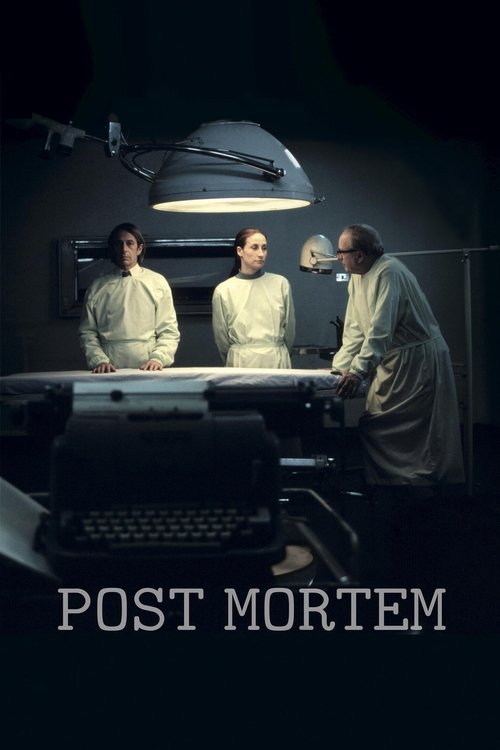
Post Mortem
2010
No user ratings available yet
Representation score: 7.9 out of 10
Representation Score
Good
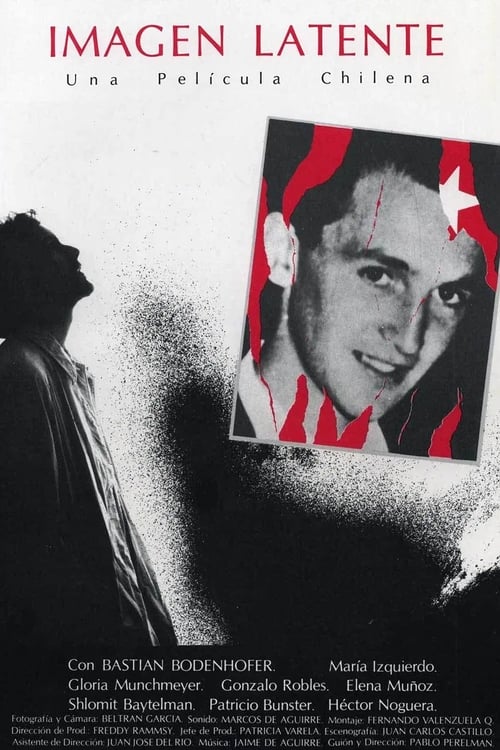
1990
Director
Pablo Perelman
Runtime
92 minutes
Average Rating
No ratings yetNew Showbiz Analysis
Latent Image offers a profound look at historical memory and the trauma of political repression in Chile. It shifts the cinematic lens away from Anglo-centric narratives toward a localized exploration of Latin American socio-political realities. However, the film's demographic breadth is limited. The narrative architecture is heavily male-centric, focusing on the relationship between a photographer and his disappeared brother, which leaves questions regarding gender and LGBTQ+ representation unanswered. Ultimately, the work is a significant cultural critique of state-sanctioned violence, even if it lacks specific evidence of diverse identity-based casting.
Category Breakdown
The film does not explicitly confirm any LGBTQ+ characters or non-straight relationships. While political repression can affect queer individuals, there are no specific representations of LGBTQ+ identities.
The story focuses on a male protagonist and his brother's disappearance. Though it may challenge traditional masculine archetypes through psychological vulnerability, women's ability to drive the story is not addressed.
By centering the Chilean experience and the Villa Grimaldi torture center, the film prioritizes non-Western historical perspectives. It offers a localized exploration of national identity under duress.
The narrative provides a strong critique of state power by portraying Pinochet’s regime as an oppressive force. It prioritizes historical memory over traditional institutionalist themes.
There is no evidence regarding the portrayal of physical or neurodivergent disabilities. The protagonist's psychological trauma may touch on mental health, but no specific arcs are confirmed.
Present on Screen
Limited or Absent
Official Synopsis
In the late 1980s, a politically neutral photographer in Pinochet's Chile is still struggling to come to terms with the "disappearance" of his activist brother in the Villa Grimaldi torture centre back in 1975.
2010
1985

1992
2020
1994
1982
2009

1994
No reviews yet. Be the first to share your thoughts on this movie!
Use the rating form above to leave a star rating and optional review.