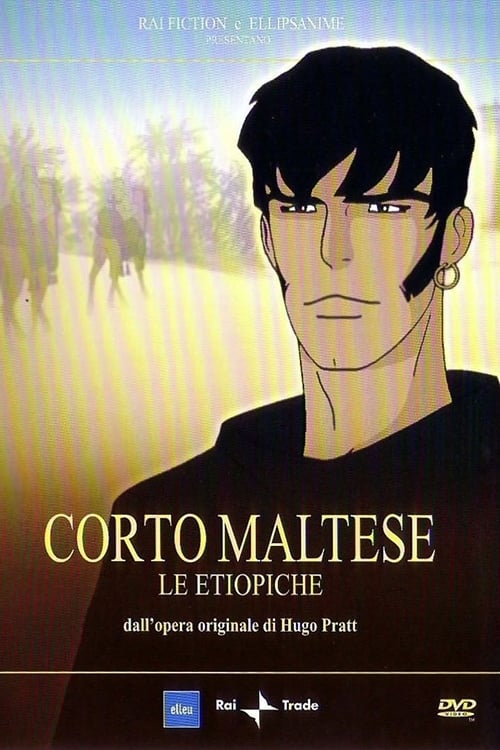
Corto Maltese and the Ethiopian
2002
No user ratings available yet
Diversity score: 6.9 out of 10
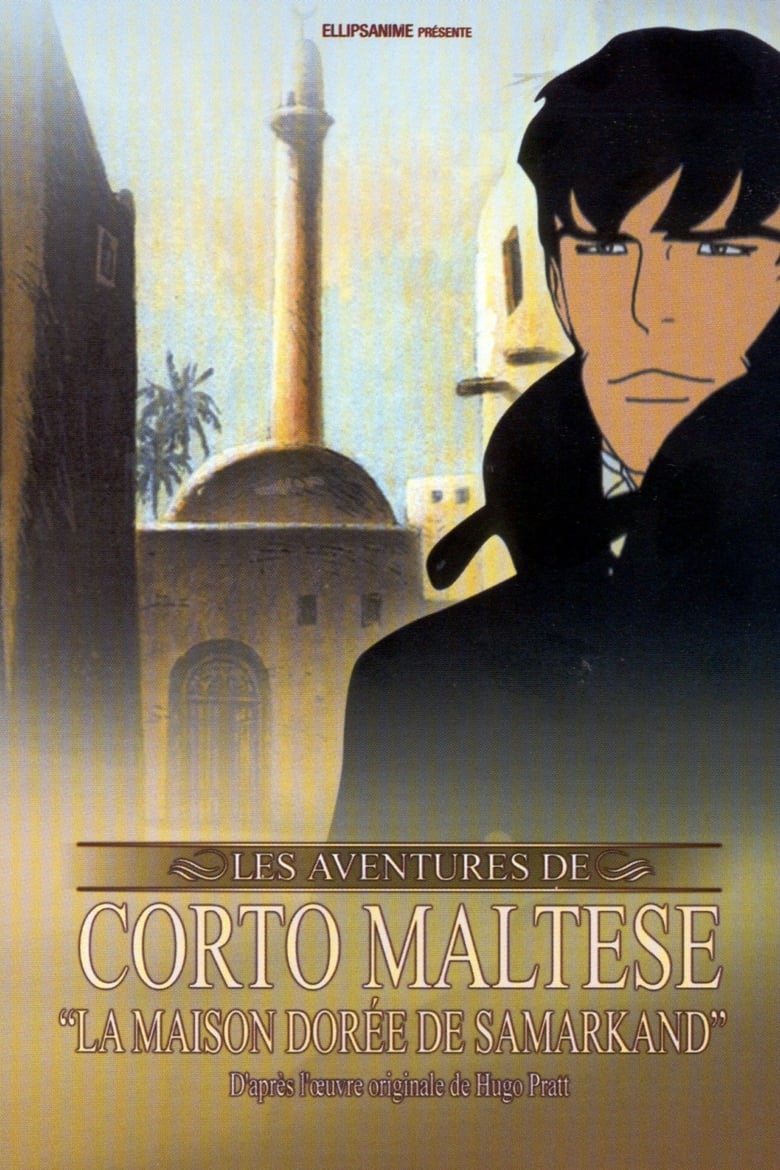
2003
Director
Liam Saury, Richard Danto
Runtime
79 minutes
Average Rating
No ratings yetSynopsis
Hugo Pratt's famous comics adventurer, Corto Maltese while sojourning in Adana, Turkey, discovers a map to the treasure of Cyrus, an ancient king of Persia. To assist him in his quest, he enlists his old friend/nemesis the unbelievable Raspoutine whom he first has to help escape from the prison of Samarkand (aka "La maison dorée de Samarkand", the golden house of Samarkand). On the long and tortured way to the riches, he encounters all kind of interesting characters, soldiers of fortune, lost British actors, and even his doppelgänger.
Overall Score
Good
Category Breakdown
LGBTQ+ Representation
The film explores fluid identities and unconventional social bonds through Corto Maltese. While it avoids rigid heteronormative structures, the lack of explicit, centralized queer arcs keeps the representation in a moderate range.
Gender Representation
Corto Maltese disrupts traditional masculinity by acting as a contemplative observer rather than a dominant conqueror. However, the narrative still relies on common archetypes like the femme fatale or damsel.
Racial & Ethnic Diversity
The production excels by centering a non-Anglo-Saxon majority cast within Turkey and Persia. It avoids orientalist tropes, treating these cultural landscapes with depth and providing local characters with significant agency.
Religious & Cultural Diversity
The story is skeptical of Western institutions, framing the quest through a morally relativistic lens. It prioritizes historical complexity over patriotism or rigid religious dogma, presenting a globalized social fabric.
Disability Representation
There is little evidence of neurodivergent or physically disabled characters possessing central agency. Such characters appear to function primarily as plot catalysts or atmospheric elements rather than protagonists.
Strengths
Areas for Improvement
AI Analysis
The film distinguishes itself from standard adventure animation by deconstructing the 'Great Explorer' myth. It replaces traditional Western-centric heroism with a narrative that embraces cultural plurality and moral ambiguity. Its primary strength is a sophisticated, non-Western worldview that treats diverse landscapes with respect. By centering the story in Adana and Samarkand, it avoids treating the East as a mere backdrop. However, the work remains limited by genre-standard archetypes and a lack of centralized queer or disability-focused narratives. It functions as a progressive departure from its era without reaching peak intersectional complexity.
2002
1992
1992
1992
1992
1992
1992
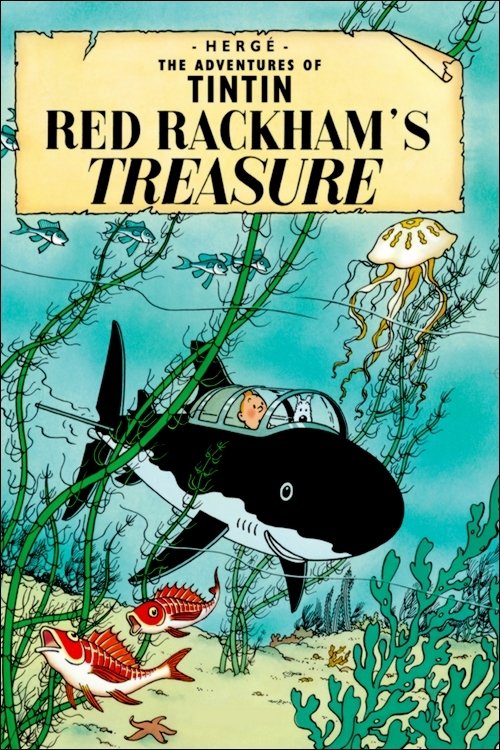
1991
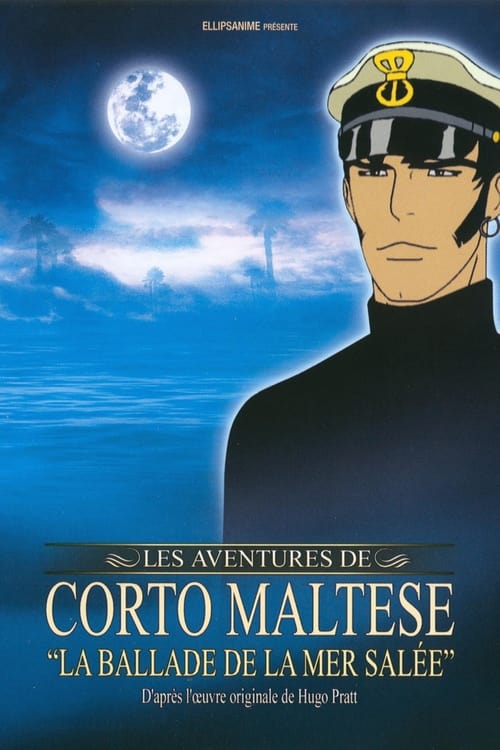
2003
No reviews yet. Be the first to share your thoughts on this movie!
Use the rating form above to leave a star rating and optional review.