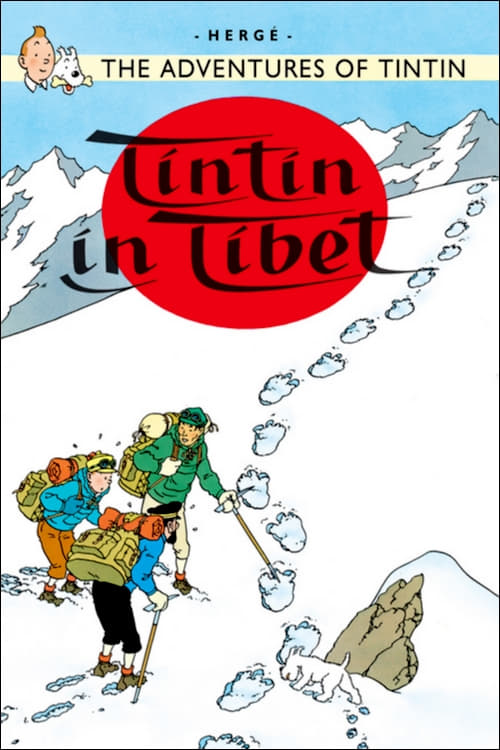
Tintin in Tibet
1992
No user ratings available yet
Representation score: 2.2 out of 10
Representation Score
Fair
1992
TV-GDirector
Stéphane Bernasconi
Runtime
41 minutes
Average Rating
No ratings yetNew Showbiz Analysis
The film serves as a faithful adaptation of the classic Tintin series, emphasizing narrative momentum and traditional heroism. It follows established aesthetic and moral guidelines of the adventure genre, focusing on a singular protagonist navigating international intrigue. While the setting offers a global perspective, the narrative structure often reflects colonial-era viewpoints. The story maintains a conventional hierarchy where the investigator acts as the primary agent of order within a diverse landscape. Overall, the production does not aim to challenge traditional power dynamics or incorporate layered character development, staying within the boundaries of mid-20th-century adventure clichés.
Category Breakdown
The film centers on traditional adventure stories and interpersonal relationships without explicitly featuring non-straight or non-cisgender identities or critiques of the assumption that everyone is straight or cisgender.
The narrative focuses on the male protagonist, Tintin, who drives the plot through his own actions. Female characters typically play supporting roles without challenging traditional gender roles.
The South American setting introduces diverse cultural aesthetics and locales. However, the main ability to act remains concentrated in the central European protagonist, reflecting typical adventure genre characteristics.
The story emphasizes restoring order and recovering stolen artifacts, reinforcing a traditionalist view of justice and property rights without questioning Western institutions.
The film does not focus on neurodivergence or physical disabilities as central themes. Characters with physical limitations appear in standard genre roles.
Present on Screen
Limited or Absent
Official Synopsis
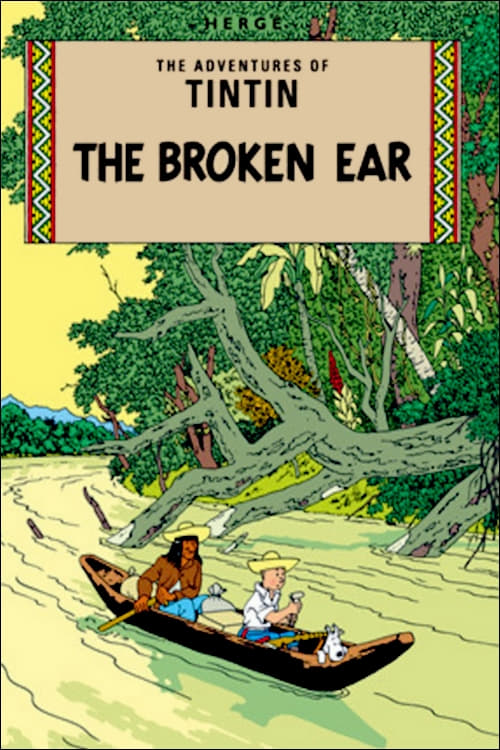
When a South American fetish is stolen and then reappears the next morning, Tintin investigates.
1992
1992
1992

1992
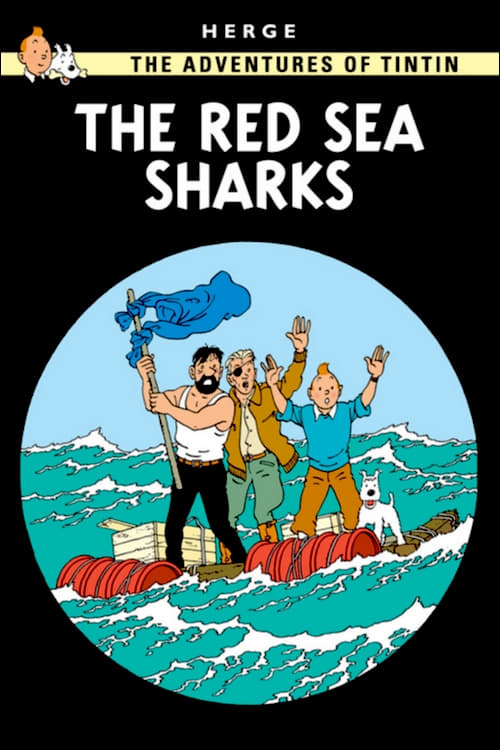
1992
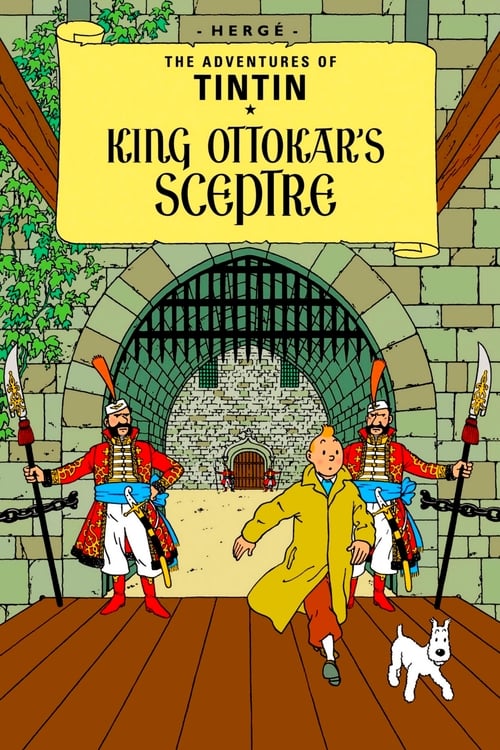
1992
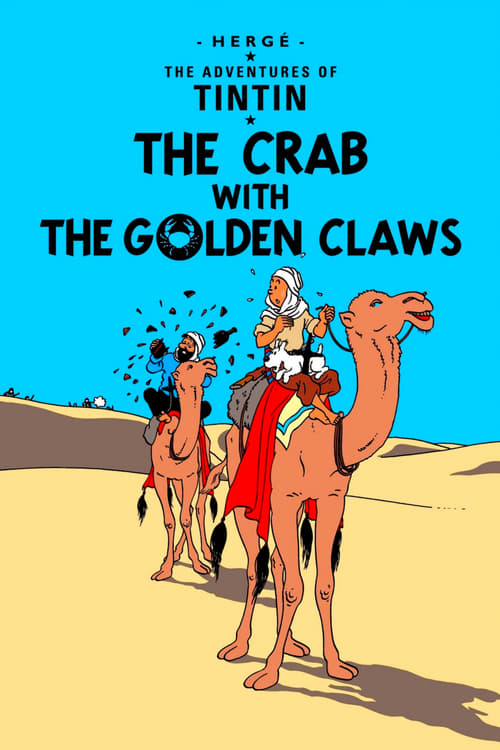
1991
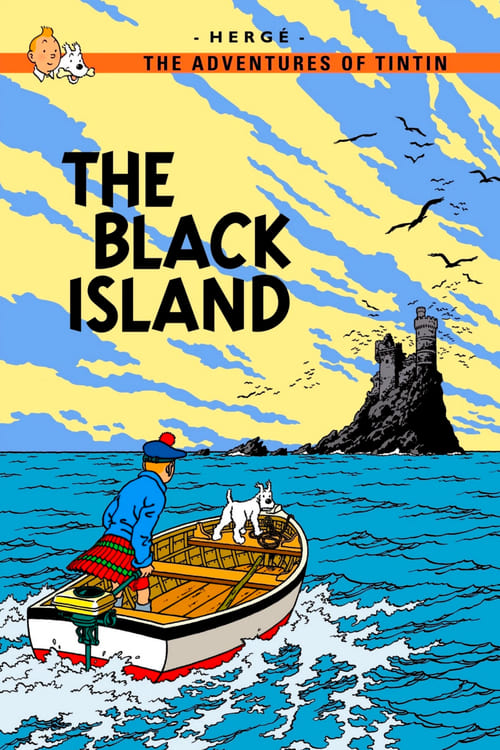
1991
No reviews yet. Be the first to share your thoughts on this movie!
Use the rating form above to leave a star rating and optional review.