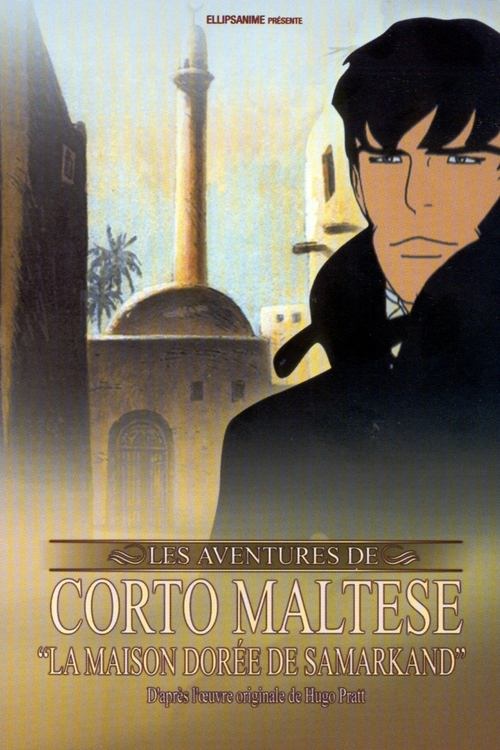
Corto Maltese: The Guilded House of Samarkand
2003
No user ratings available yet
Diversity score: 6.3 out of 10
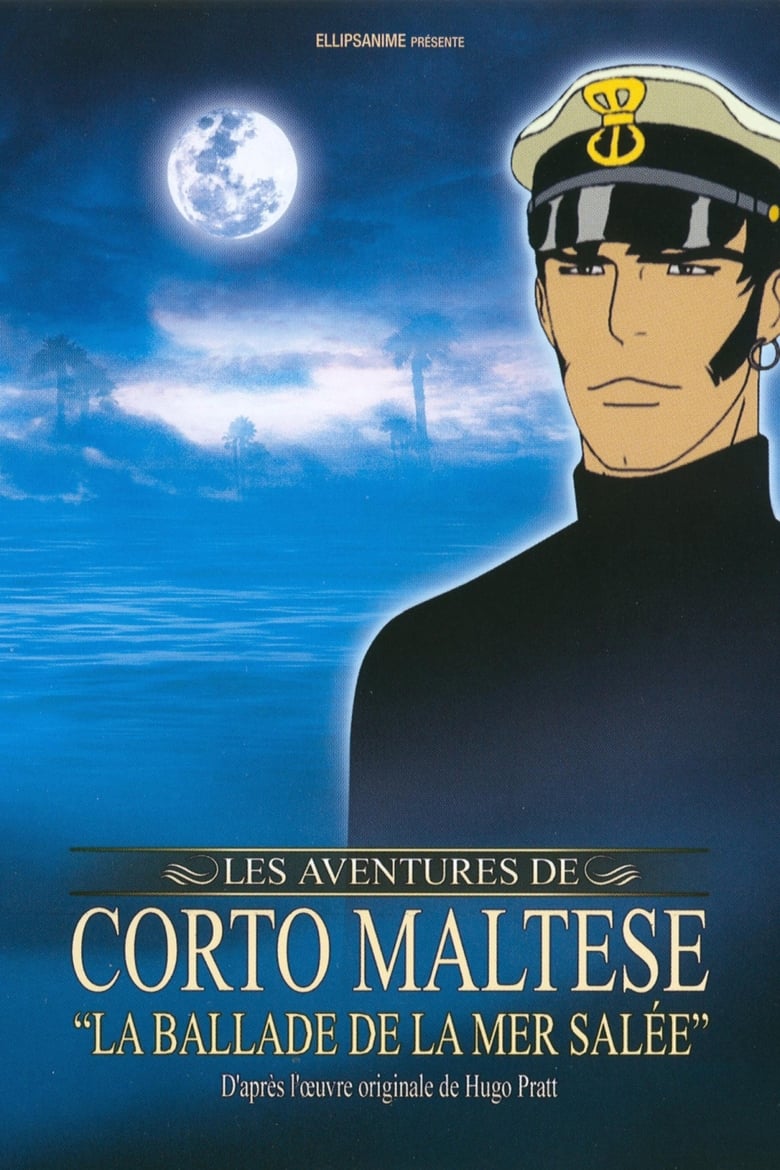
2003
Director
Liam Saury, Richard Danto
Runtime
90 minutes
Average Rating
No ratings yetSynopsis
In 1913, laconic sea captain Corto Maltese, adrift in the Pacific, gets rescued by his bandit friend Rasputin who's taking two rich shipwrecked teens to an island where his boss the Monk will hold them for ransom. WWI complicates things.
Overall Score
Good
Category Breakdown
LGBTQ+ Representation
The film features non-traditional characters like a bandit and a mysterious monk. While specific queer identities are not explicitly confirmed, the lawless maritime setting provides a space for subverting heteronormative social structures.
Gender Representation
Agency is primarily concentrated in male-coded figures such as the Captain and the Monk. The inclusion of shipwrecked teens offers a potential disruption of gender hierarchies through class and survival dynamics.
Racial & Ethnic Diversity
Set in the Pacific during the colonial era, the film challenges Anglo-centric tropes. The movement of characters across various cultural geographies suggests a focus on globalized, non-Western perspectives.
Religious & Cultural Diversity
The narrative prioritizes spiritual or idiosyncratic authority over secular, nationalist ideals. By centering on figures like the Monk, the film critiques established Western institutions and formal law.
Disability Representation
There is no specific evidence regarding the portrayal of physical or neurodivergent disabilities within the provided narrative details.
Strengths
Areas for Improvement
AI Analysis
Corto Maltese: The Ballad of the Salt Sea offers a morally ambiguous adventure that moves away from conventional heroic archetypes. By utilizing a Pacific maritime setting during the colonial era, the film successfully avoids standard Western-centric adventure tropes, favoring a more globalized perspective. The strength of the work lies in its cultural and racial complexity. The narrative structure emphasizes characters operating outside traditional statehood and formal law, which allows for a critique of established power structures and a more fluid exploration of identity. However, the film lacks visible female agency and specific details regarding disability representation. The focus remains heavily on male-coded figures, which limits the breadth of its social representation despite its successful subversion of colonial-era geopolitics.
No reviews yet. Be the first to share your thoughts on this movie!
Use the rating form above to leave a star rating and optional review.