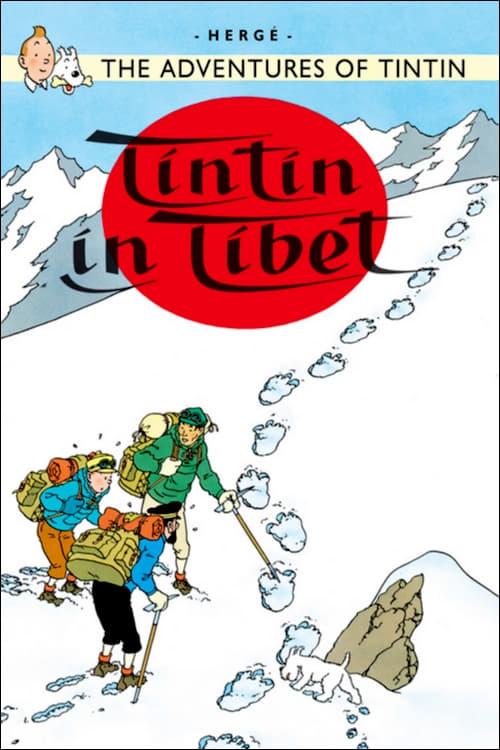
Tintin in Tibet
1992
No user ratings available yet
Representation score: 2.2 out of 10
Representation Score
Minimal
1992
TV-GDirector
Stéphane Bernasconi
Runtime
40 minutes
Average Rating
No ratings yetNew Showbiz Analysis
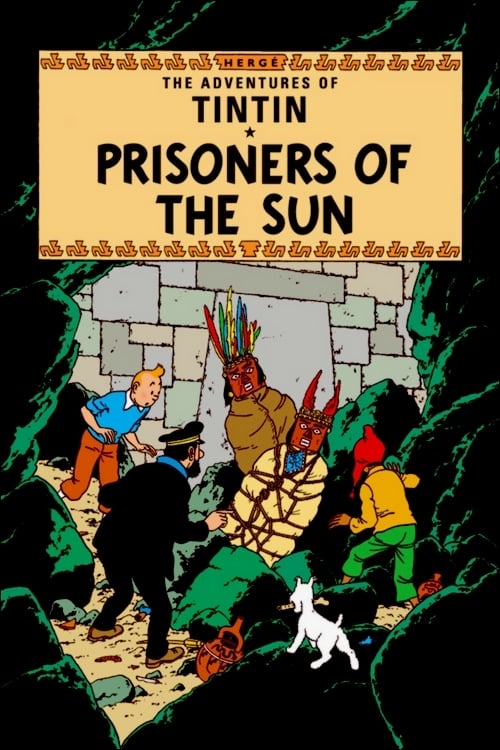
Prisoners of the Sun functions as a classic adventure tale that expands its geographic scope to South America. While the setting introduces new cultural landscapes, the storytelling remains firmly anchored in a Western-centric perspective. The film relies on established genre conventions, focusing on the exploits of male protagonists. This approach limits the depth of multi-layered character development and maintains traditional social hierarchies. Ultimately, the narrative serves as a quest-based journey rather than a critique of colonial or social structures. It prioritizes movement and discovery over diverse representation or systemic challenges.
Category Breakdown
The film adheres to traditional adventure stories without including any LGBTQ+ characters or narratives that question the assumption that everyone is straight or cisgender.
Male characters like Tintin and Captain Haddock take on leadership roles, reinforcing traditional gender hierarchies common in early 1990s animation.
The Peruvian setting includes indigenous populations and local cultural elements. However, the narrative focuses on Western protagonists navigating a foreign culture.
The story delves into ancient civilizations and spiritual structures like the Temple of the Sun. It prioritizes a Western adventure lens rather than an anti-colonialist framework.
There is no evidence of characters with visible or invisible disabilities being portrayed with real power or as central to the narrative arc.
Present on Screen
Limited or Absent
Official Synopsis
Tintin and Captain Haddock travel to Peru in search of an abducted friend.
1992
1992
1992

1992

1992
1991

1992
1991
No reviews yet. Be the first to share your thoughts on this movie!
Use the rating form above to leave a star rating and optional review.