
Prisoners of the Sun
1992
No user ratings available yet
Representation score: 1.4 out of 10
Representation Score
Limited
1992
TV-GDirector
Stéphane Bernasconi
Runtime
43 minutes
Average Rating
No ratings yetNew Showbiz Analysis
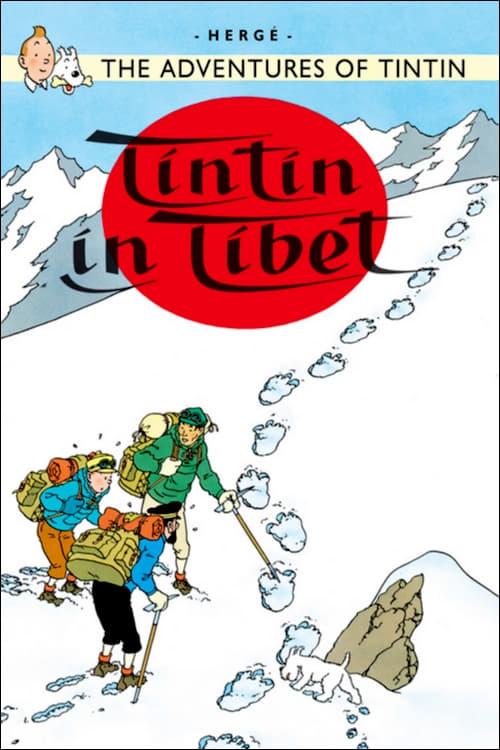
Tintin in Tibet is a traditional adventure film that respects its cultural setting. By focusing on the rescue of Chang, the film gives significant control to a non-Western character and avoids stereotypical portrayals. However, the film's narrow demographic scope limits its diversity, with no female characters and no exploration of non-straight-centered identities or disabilities. While it successfully portrays a localized, spiritual context, it remains within a conventional, male-dominated framework.
Category Breakdown
The film does not include any LGBTQ+ characters or explore non-straight relationships. The emotional core revolves around a close friendship between Tintin and Chang.
The story centers on male characters, with women being noticeably absent. This reinforces a traditional gender hierarchy where men hold most of the power and control.
The film respectfully depicts Tibetan characters and Buddhist monks, avoiding harmful stereotypes and showcasing the Himalayan landscape positively.
The narrative emphasizes local spiritual settings such as monasteries rather than Western institutions. It focuses on personal loyalty as a moral guide instead of strict Western religious or legal standards.
There is no representation of physical, neurodivergent, or sensory disabilities. Characters are defined by the physical demands of high-altitude adventure.
Present on Screen
Limited or Absent
Official Synopsis
Tintin and Captain Haddock travel to Tibet in search of an old friend who has disappeared after a plane crash.
1992
1992
1992

1992

1992
1991
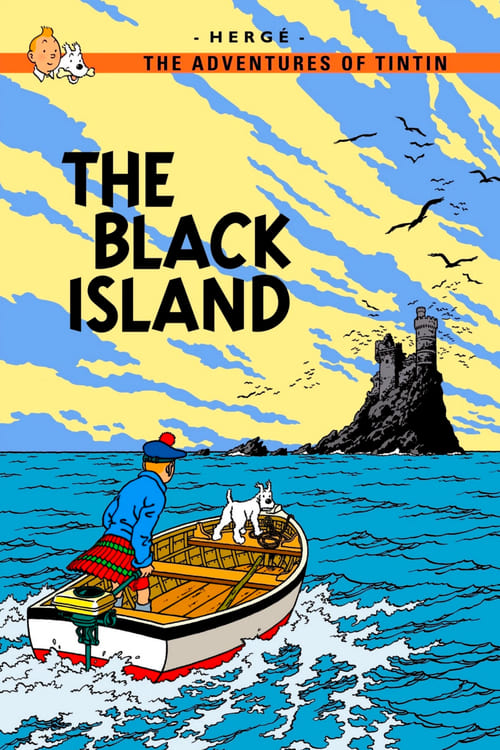
1991

1992
No reviews yet. Be the first to share your thoughts on this movie!
Use the rating form above to leave a star rating and optional review.