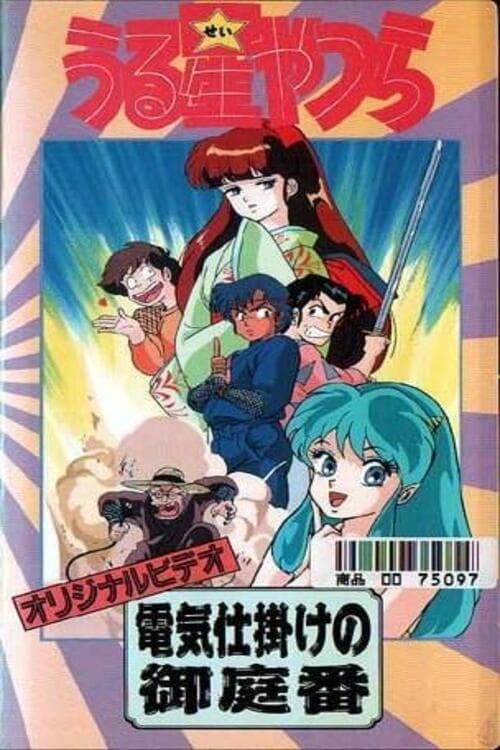
Urusei Yatsura: The Electric Household Guard
1989
No user ratings available yet
Diversity score: 5.4 out of 10

1993
Director
Harume Kosaka
Runtime
17 minutes
Average Rating
No ratings yetSynopsis
Usagi and Chibiusa overhear two girls talking about the Sailor Senshi and Tuxedo Mask. Humorously, as the girls discuss which is the smartest, most elegant, strongest, and the leader of the Senshi, Usagi claims those titles for herself. Chibiusa shakes her head at Usagi's delusion.
Overall Score
Fair
Category Breakdown
LGBTQ+ Representation
The story focuses on the comedic friction between Usagi and Chibiusa. It lacks explicit depictions of same-sex intimacy or non-binary identities within this specific runtime.
Gender Representation
The film centers on female protagonists with supernatural agency and combat capabilities. Usagi's humorous claims of strength and elegance subvert traditional gender hierarchies and the 'damsel' trope.
Racial & Ethnic Diversity
The production features a Japanese cast within a modern Tokyo setting. It maintains a consistent cultural identity without actively seeking to expand the racial spectrum in this short narrative.
Religious & Cultural Diversity
The narrative follows a traditional framework of moral dualism between light and darkness. It lacks critiques of institutions or the postmodern moral relativism found in contemporary works.
Disability Representation
There are no prominent depictions of visible or invisible disabilities. Characters are portrayed within the standard physical capacities typical of the magical girl genre.
Strengths
Areas for Improvement
AI Analysis
This special excels in gender representation by centering female agency and subverting traditional roles through comedic self-assertion. The protagonists possess supernatural power, disrupting conventional expectations of leadership. However, the work remains limited by its adherence to traditional moral dualism and a lack of explicit intersectional themes. It stays within the established cultural and ethnic boundaries of its setting without expanding the racial or queer spectrum. Ultimately, the film is a character-driven vignette that prioritizes genre conventions and established tropes over active engagement with diverse identities or complex social critiques.
1989
2005
1993
2002
2016

2019

1998
1996
1998

1996

2004
1996
No reviews yet. Be the first to share your thoughts on this movie!
Use the rating form above to leave a star rating and optional review.