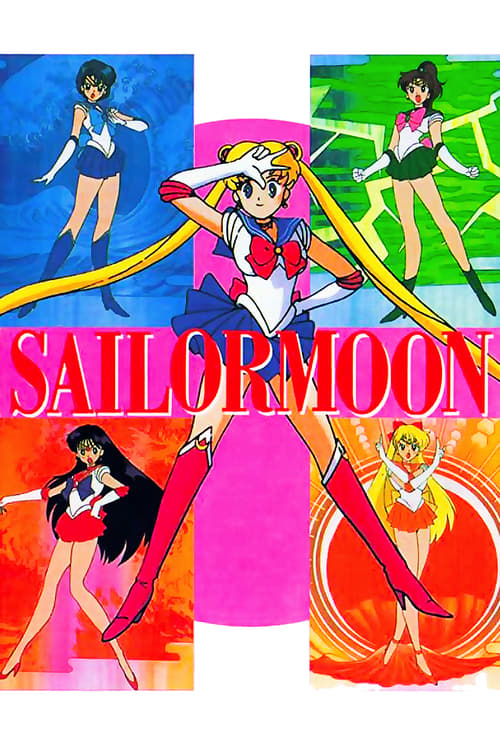
Sailor Moon: Make Up! Sailor Senshi
1993
No user ratings available yet
Representation score: 7.1 out of 10
Representation Score
Fair
2002
TV-PGDirector
Yusaku Kiryu, Hitoyuki Matsui
Runtime
30 minutes
Average Rating
No ratings yetNew Showbiz Analysis
The film excels at subverting traditional gendered expectations of heroism. By placing the responsibility for societal safety within a female-led collective, it centers female leadership and ability to act. However, the work remains limited by its historical setting. The focus on a homogeneous cultural landscape and the lack of explicit multi-ethnic representation keep the racial diversity score lower. Ultimately, the narrative functions as a character study, providing a platform for female empowerment but lacking overt multi-layered diversity or explicit LGBTQ+ storylines.
Category Breakdown
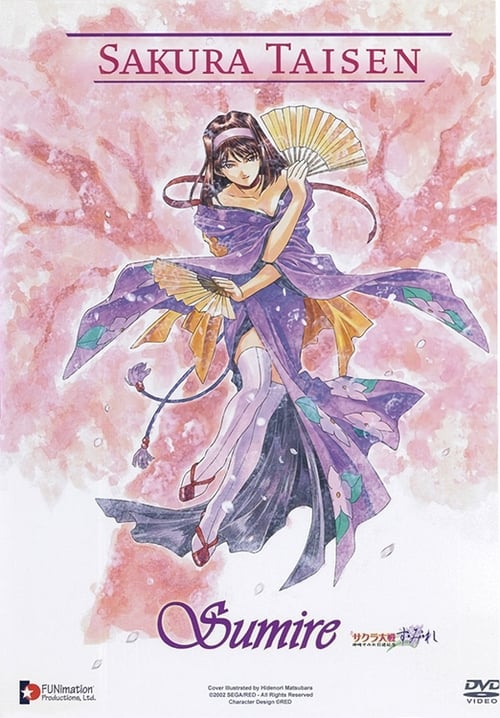
The setting of the Imperial Operetta Company uses theatrical performances to explore themes of identity. While specific romantic relationships are not detailed, the genre often delves into identity through stage dynamics.
The film challenges traditional hierarchies by focusing on Sumire Kanzaki, a female leader. Women play a significant role in protecting the Imperial City, which challenges patriarchal structures of heroism.
The narrative focuses on a relatively homogeneous cultural landscape within Taisho-era Japan. While Western aesthetics are present, there is no explicit evidence of a multi-ethnic cast.
The story navigates the intersection of Westernized institutions and Japanese imperial identity. It emphasizes themes of duty and honor within a structured social hierarchy.
There is no specific evidence regarding the depiction of visible or invisible disabilities in this character study.
Present on Screen
Limited or Absent
Official Synopsis
For years the defence and safety of the Imperial city rested on the shoulders of Sumire Kanzaki of the Flower Troupe. But this, as with all things, must fade away. As the top star of the Imperial Operetta Company, Sumire was the power and the light from which her comrades drew their own strength and resolve. It was through her that the Flower Troupe found their courage... and through her that many happy memories were made. Now the curtain rises for one final performance as the star that once shined so brightly to grow faint. As the spotlight dims on one legend, another must come center stage.
1993

2022

2020

2004

1988
1993

2013
1982
No reviews yet. Be the first to share your thoughts on this movie!
Use the rating form above to leave a star rating and optional review.