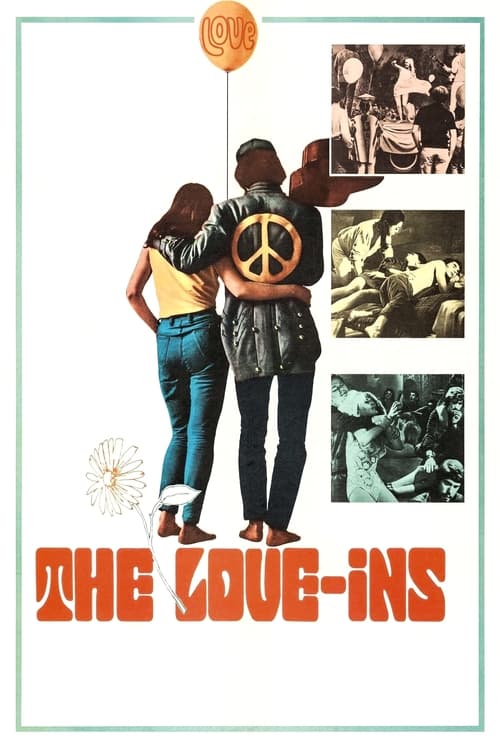
The Love-Ins
1967
No user ratings available yet
Representation score: 5.3 out of 10

Representation Score
Fair
1970
RDirector
Leonard Horn
Runtime
117 minutes
Average Rating
No ratings yetNew Showbiz Analysis
The film serves as a transitional piece of the New Hollywood era, focusing on the psychological journey of a young man navigating social upheaval. It successfully deconstructs mid-century social hierarchies and explores the moral relativism of the sexual revolution. However, the work is limited by its narrow demographic focus. The setting remains confined to a specific, homogeneous bohemian milieu that lacks racial and LGBTQ+ breadth. Ultimately, while it challenges traditional institutions, the film remains a localized character study rather than a diverse exploration.
Category Breakdown
The film looks at the sexual revolution through a mostly straight-centered lens. It focuses on romantic frustrations and identity within traditional frameworks rather than stories centered around LGBTQ+ experiences.
The story explores the tension between traditional roles and evolving sexual politics. While it leans towards a male-centric viewpoint, it challenges patriarchal stereotypes by showing the changing romantic dynamics of the era.
The narrative reflects the demographic uniformity of a specific bohemian, middle-class subculture. It lacks significant evidence of non-Anglo-Saxon casting or diverse racial backgrounds.
The film captures the dismantling of Western institutions and anti-establishment sentiments. It emphasizes individualistic, non-conformist lifestyles over traditional religious or patriotic ideals.
There is no noticeable depiction of physical or neurodivergent disabilities within the film's narrative.
Present on Screen
Limited or Absent
Official Synopsis
A 23-year-old Columbia University dropout seeks his identity during the sexual revolution.
1967

1977
1970

1961

1976

1966

2005
1971
No reviews yet. Be the first to share your thoughts on this movie!
Use the rating form above to leave a star rating and optional review.