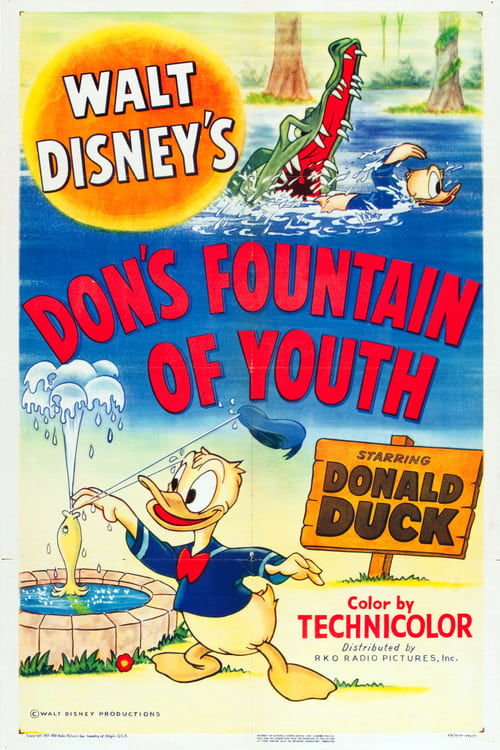
Don's Fountain of Youth
1953
No user ratings available yet
Diversity score: 1.3 out of 10
1951
NRDirector
Jack Hannah
Runtime
7 minutes
Average Rating
No ratings yetSynopsis
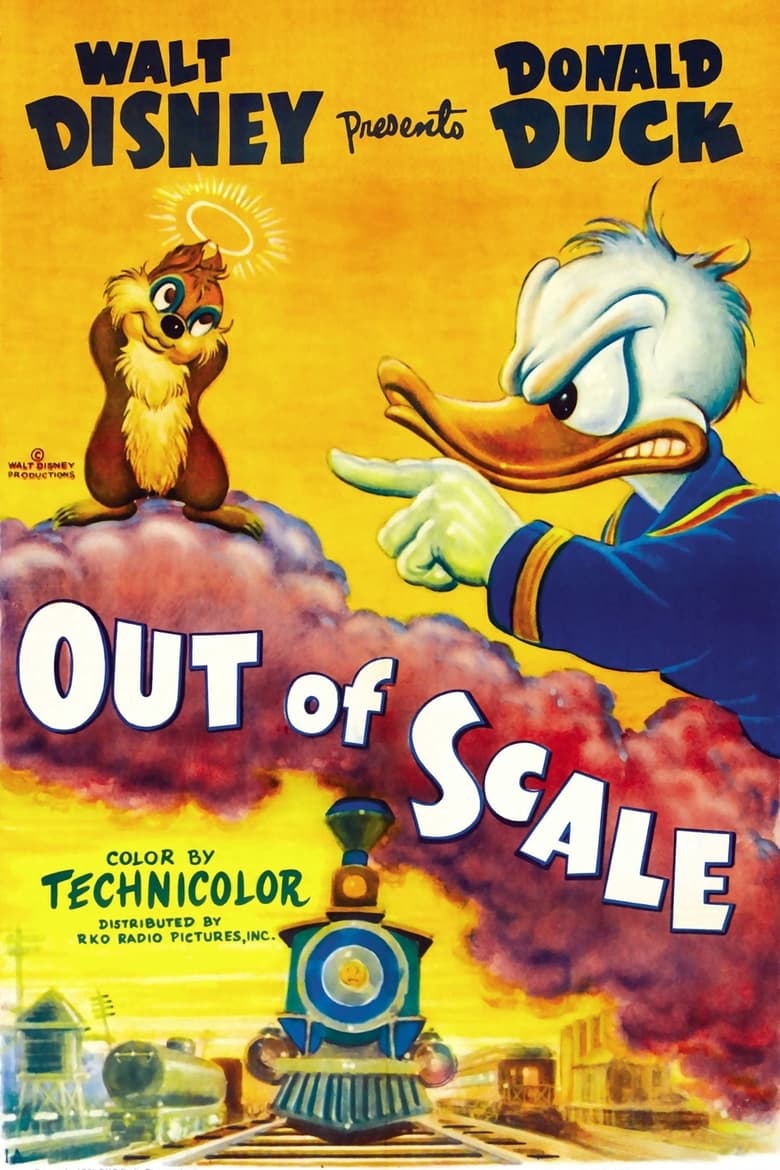
Donald has a ride-on sized train layout in his backyard. There's a large tree (home to Chip 'n Dale) that's out of scale, so Donald moves it while they're out; they come back to see their tree moving. No problem; one of Donald's model houses is just their size.
Overall Score
Minimal
Category Breakdown
LGBTQ+ Representation
The short contains no LGBTQ+ characters or non-cisnormative identities. The plot focuses entirely on the slapstick conflict between Donald Duck and the chipmunks.
Gender Representation
Donald Duck serves as the central male protagonist driving the action. The film adheres to standard 1950s comedic tropes without subverting traditional gender hierarchies.
Racial & Ethnic Diversity
The use of anthropomorphic animals in a domestic setting avoids human social structures. This results in a complete lack of racial or ethnic complexity.
Religious & Cultural Diversity
The setting reinforces mid-century Western ideals of private property and leisure. It presents a stable, conventional environment without deconstructing Western institutions.
Disability Representation
There is no evidence of characters possessing visible or invisible disabilities. No such traits are utilized as narrative devices within the story.
Strengths
Areas for Improvement
AI Analysis
Out of Scale is a situational comedy that prioritizes physical humor and spatial conflict over social or identity-based themes. The narrative centers on Donald Duck's interaction with Chip 'n Dale within a backyard setting, utilizing a model train layout to drive the plot. The film functions as a product of its era, adhering to the traditionalist animation standards of the early 1950s. It relies on established character archetypes rather than exploring systemic power dynamics or progressive social values. Because the characters are anthropomorphic animals, the film exists in a vacuum that avoids the depiction of human social structures, resulting in minimal representation of diverse human identities.
1953
1950
1948
1948
1947
1954
1950
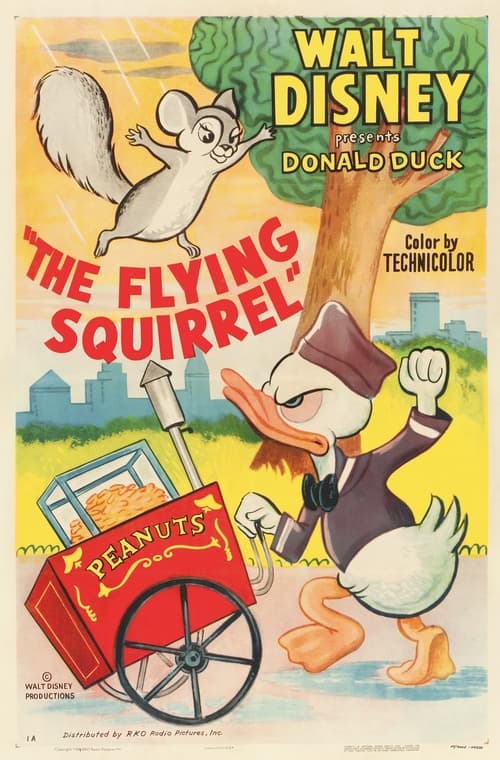
1954
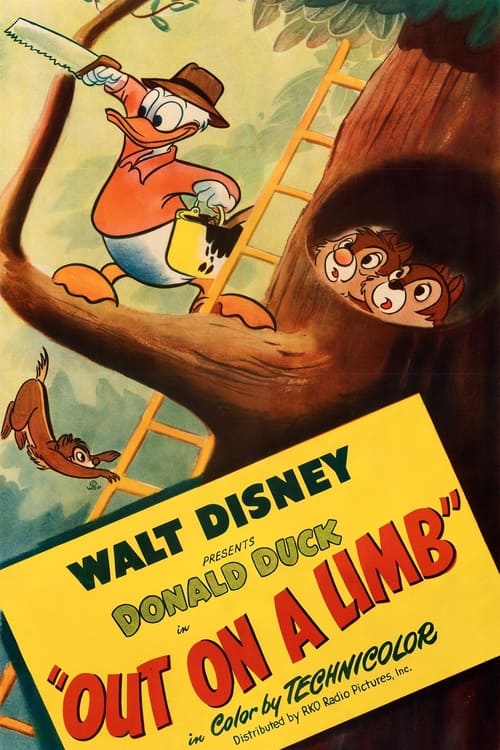
1950

1951
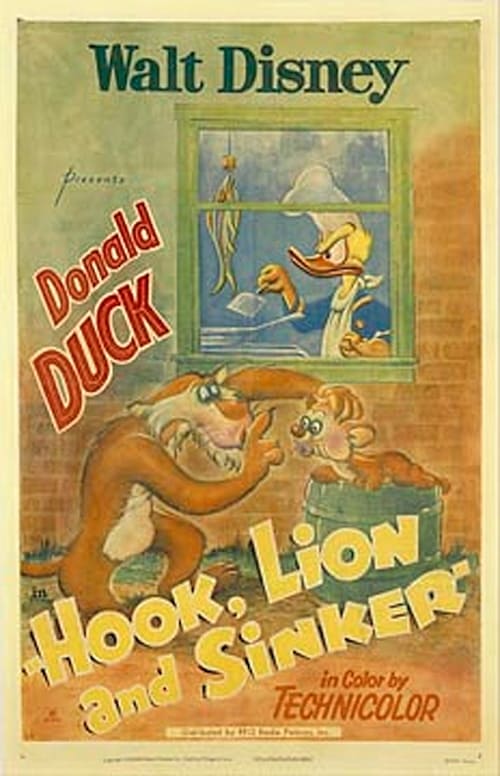
1950
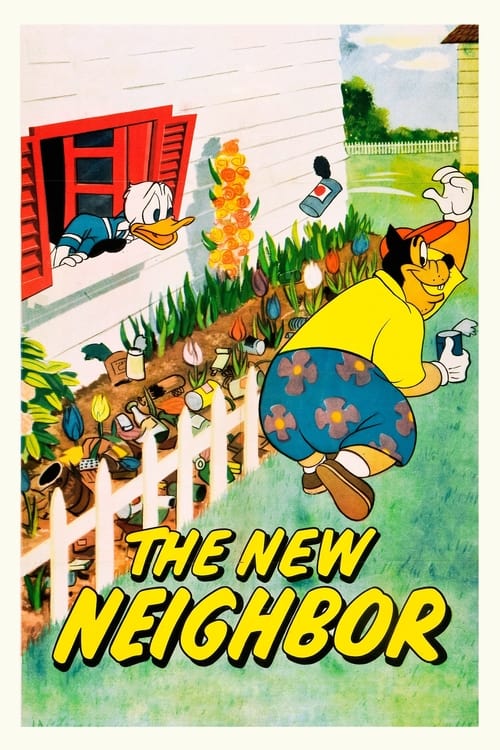
1953
No reviews yet. Be the first to share your thoughts on this movie!
Use the rating form above to leave a star rating and optional review.